Google placed a tensor processing unit aboard an experimental satellite and had it generate a haiku, a deliberately playful demonstration of what the company frames as an orbital datacenter prototype. The poem is trivial. The intent behind it is not.
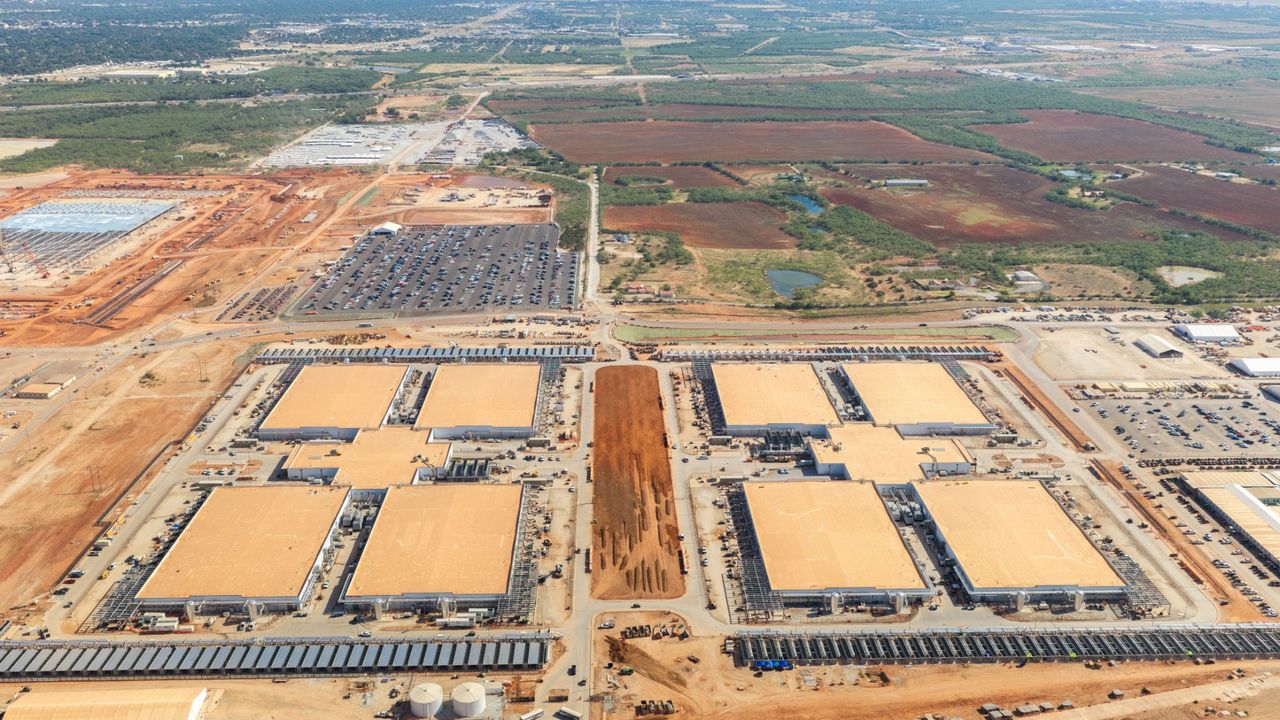
The underlying logic is that AI compute is colliding with physical limits on the ground. Hyperscalers are running into multi-year grid interconnection queues, water constraints on cooling, and local opposition to new sites. Orbit offers near-continuous solar power and radiative cooling into the vacuum, with no land acquisition fight. Against that sit the hard costs: launch mass, radiation hardening, the near-impossibility of hands-on servicing, and latency that rules out most interactive workloads. A realistic use case would be batch training or inference on data that can tolerate delay, not anything latency-sensitive. Treat any production timeline as a decade-plus bet, not a roadmap.
The timing matters more than the technology. This lands in a week when hyperscaler earnings have rattled investors over AI capex sustainability and chip vendors are reportedly being asked to backstop customer datacenter debt. A space moonshot reads as a signal that the industry sees terrestrial power as a structural ceiling, not a temporary bottleneck, even as the immediate crisis is financing the buildout already underway.
For Japan, the power constraint is the sharpest part of the story. Domestic datacenter expansion is already gated by grid capacity and generation costs, pushing operators toward Hokkaido and regional sites far from demand centers. An orbital path, however distant, aligns with Japanese strengths in satellites, launch, and precision hardware, and could give trading houses and telecom carriers a differentiated angle beyond renting terrestrial capacity. SIers should read this less as a product and more as a planning input: client AI roadmaps that assume cheap, abundant local compute need a power-and-siting risk line, and migration designs should favor workload portability over lock-in to any single region or provider.
For executives, the practical takeaway is to separate the spectacle from the signal. Nobody is moving production workloads to orbit soon. But the fact that a hyperscaler is spending engineering effort here is a data point about how seriously the largest buyers of compute now treat energy as the binding limit on AI, and that should inform capacity, power-sourcing, and vendor-diversification decisions over the next several years.