Nvidia has clarified conditions for backing neocloud data center loans. The global question is who ultimately carries the risk of unused compute capacity. Clarification alone does not establish blanket lender protection: enforceability, activation triggers and loss allocation determine the value of any support. Those details should drive underwriting, not the supplier's name.
For investors, vendor-linked financing can connect chip revenue and credit exposure to the same demand cycle. A facility may fund hardware purchases without proving that future customers will generate enough cash to service the debt. Conditional backing could widen access to capital, but lenders should test project economics without assuming continuing vendor support or easy refinancing. Enterprise buyers have a parallel interest: financial fragility can become an operational dependency.
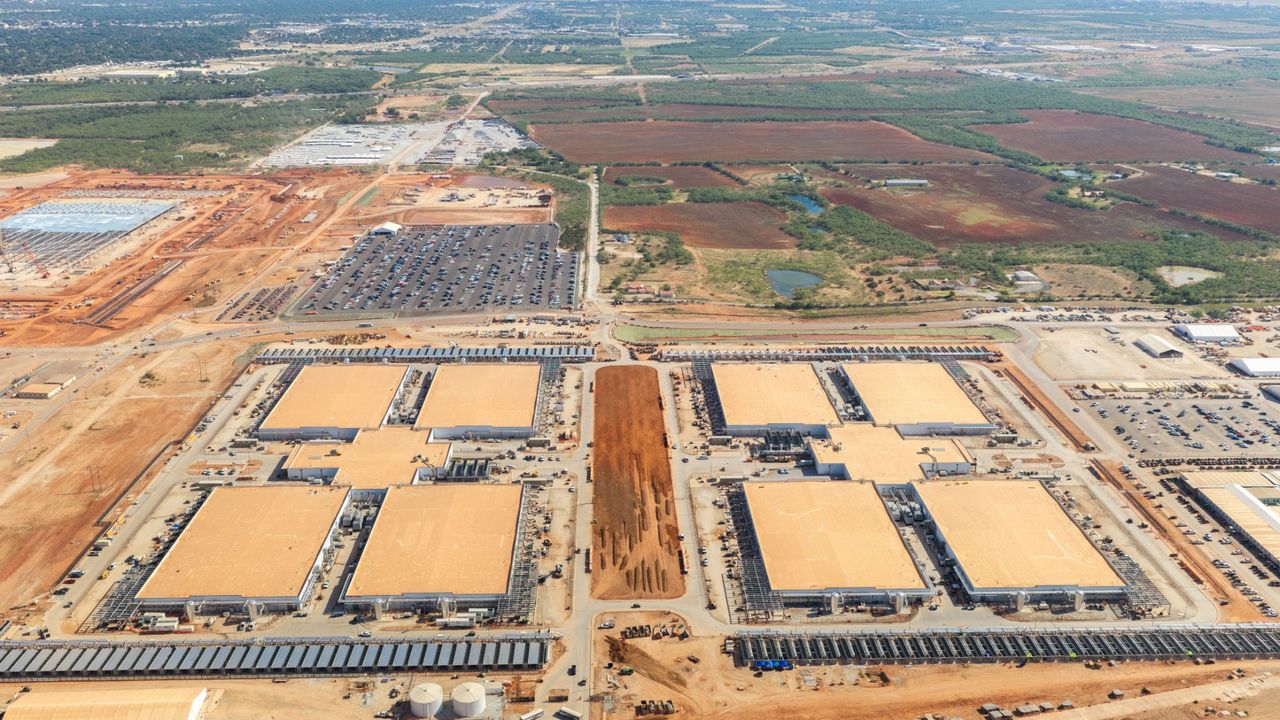
The technical counterpart is rack-level execution. Accelerators only produce billable capacity when power delivery, cooling, networking and software work together. Heterogeneous hardware may improve workload economics, yet can add integration and security work across device interfaces. Financing models should therefore account for commissioning delays and usable capacity, rather than treating installed chips as equivalent to saleable compute. Integration quality belongs in credit diligence, not just engineering acceptance tests.
For Japanese enterprises, this turns cloud selection into supplier-credit diligence. Procurement teams should examine service continuity, data portability and the ability to move workloads if a provider loses funding. SIers selling fixed-price AI or RPA services face a related margin risk: they may promise stable delivery costs while relying on infrastructure contracts that permit repricing. Contract terms and fallback arrangements should be settled before production dependence grows; portability should be tested rather than assumed.
The opportunity for Japanese SIers is to sell infrastructure assurance alongside implementation: workload profiling, interface security, capacity testing and recovery planning. These services can help customers distinguish inexpensive capacity from dependable capacity. If financing scrutiny tightens, providers able to demonstrate reliable operations and sustainable customer cash flows should be better positioned than those competing primarily on access to chips.