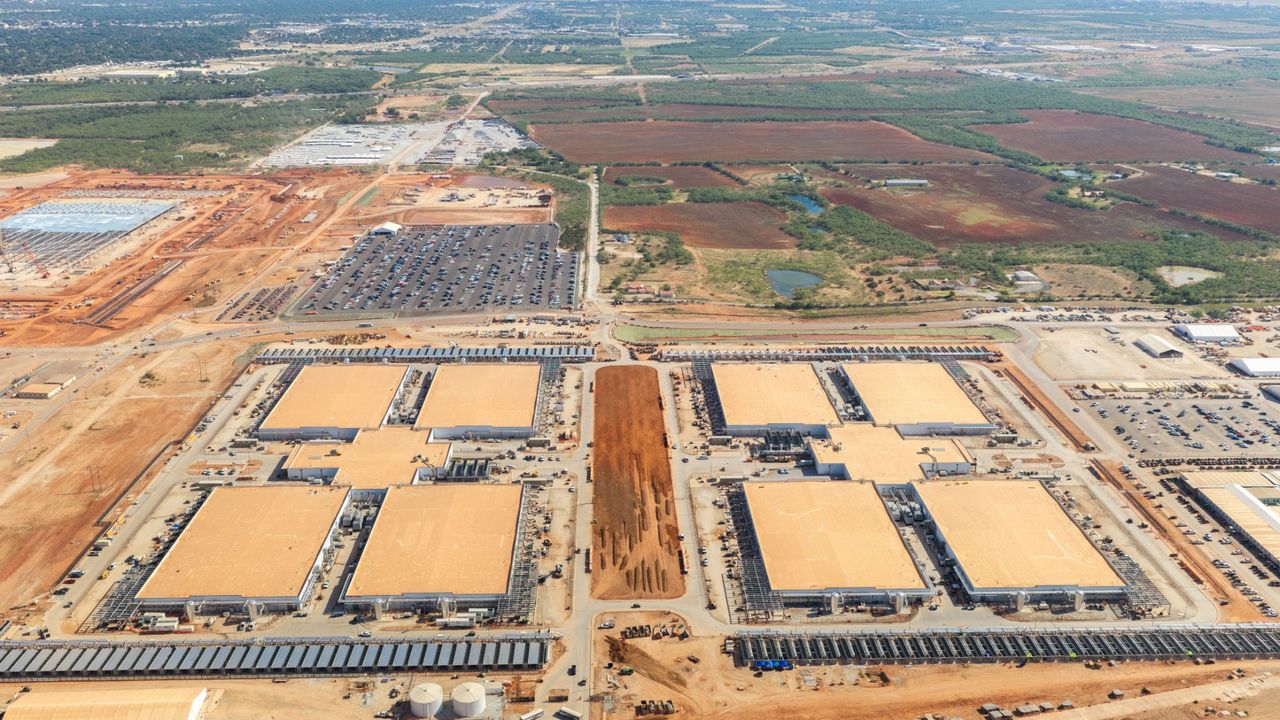
The GPU/datacentre model is facing a rethink as AI optimism meets concern over the timing and scale of investment. The strategic issue is broader than chip supply: data-centre power can determine whether new capacity is economically usable. A proposed US fast-energization approach makes that constraint visible.
The immediate risk is a sequencing error. Developers may commit to facilities and GPU fleets before workloads settle, while grid investment is sized for demand that arrives later or at a different scale. Faster connections remove one bottleneck, but not utilization, financing, reliability or hardware-change risk. A cluster is a bet on demand, power prices and model architecture.
Competition therefore shifts from installing the most GPUs to matching compute with workload and electricity. Modular capacity, cross-region scheduling, local inference and software that moves jobs when power conditions change can reduce the penalty of being early. Buyers should favor staged expansion and multiple accelerator options rather than one high-density design. A power contract, GPU reservation and facility lease should be assessed as one portfolio, with reuse or exit paths if demand changes.
For policymakers, fast energization must address cost allocation, reliability and unused capacity, not just connection speed. For investors and operators, utilization under several demand scenarios matters more than the headline size of a planned cluster. Software is now infrastructure: smaller models, batching, caching and intelligent routing can lower peak demand. That creates room for energy-aware orchestration and capacity-management services, while pressuring facilities whose economics assume continuously loaded clusters.
For Japanese companies, AI capacity should not be treated as a one-time hardware purchase. CIOs should map workloads by latency, data residency, utilization and power sensitivity, then combine shared capacity, smaller local deployments and burst access. The question is whether demand can become predictable enough to secure power and capital on sensible terms.
This is a reset for Japanese SIers and development teams. SIers will need to combine facility constraints, accelerator lifecycle, cloud economics and application architecture in one proposal, moving from server delivery to capacity-management services. Developers should keep model and hardware interfaces portable, measure utilization early, and support model switching, deferred jobs and efficient execution on less powerful systems. RPA programs deserve the same discipline: selective, event-driven inference may be more rational than continuous processing. Japan’s advantage will come from orchestration and reuse, not from copying an infrastructure template built for another power-and-demand profile.