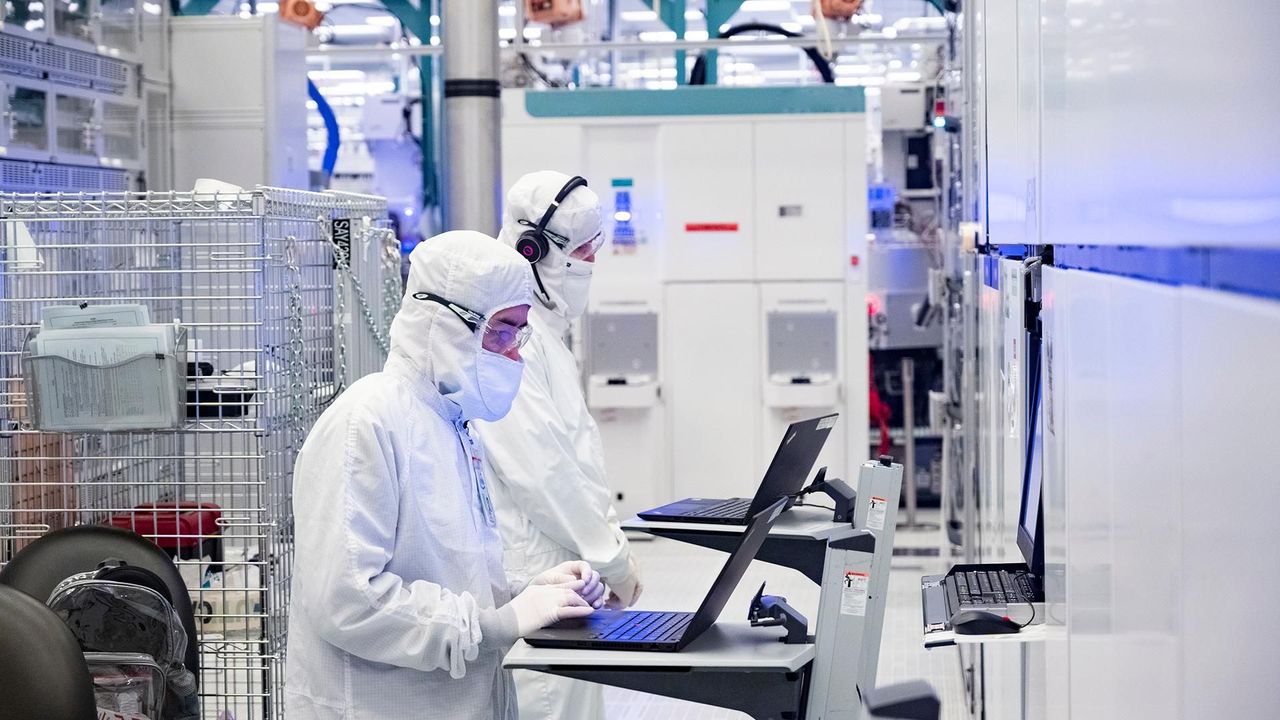
Intel is redirecting manufacturing and advanced packaging capacity across its U.S., Ireland, and Malaysia sites toward data center CPUs, chasing AI-driven demand while the consumer PC market softens. The move looks rational on a per-unit margin basis, but it concedes a structural point: the center of gravity in silicon has shifted from the desktop to the rack.
The immediate global effect is a squeeze on the PC bill of materials. When fab and packaging slots favor server parts, and AI buildout simultaneously absorbs memory supply, component prices climb across the board. OEMs face a choice between thinner margins and higher sticker prices into a demand environment that is already weak. Intel's own equity volatility, which has dented the value of the U.S. government's stake, shows how quickly capital markets reprice a chipmaker caught between a declining core business and a capital-intensive bet on AI infrastructure whose returns remain unproven.
There is a second-order risk worth naming. Server CPU demand is downstream of hyperscaler capex, and that capex is exactly what investors are now questioning. If AI infrastructure spending decelerates, Intel will have reallocated capacity toward a market that cools just as it exits the consumer volume that provided a floor.
For Japan, the exposure runs through hardware procurement and the SIer model. Japanese enterprises refresh fleets on multi-year cycles, and SIers bundle that hardware into fixed-price system contracts. Rising CPU and memory costs compress margins on deals already signed, and corporate PC refresh budgets, often locked at fiscal-year start, will not stretch to absorb mid-cycle price increases. Expect procurement teams to delay refreshes or shift workloads to cloud, which only deepens dependence on the same constrained server silicon.
The strategic read for Japanese IT leaders: treat component pricing as a planning variable, not a given. Lock supply terms early, build price-escalation clauses into integration contracts, and diversify server CPU sourcing beyond a single vendor. The firms that hedged procurement before this reallocation will carry a quiet cost advantage through the next refresh cycle.




