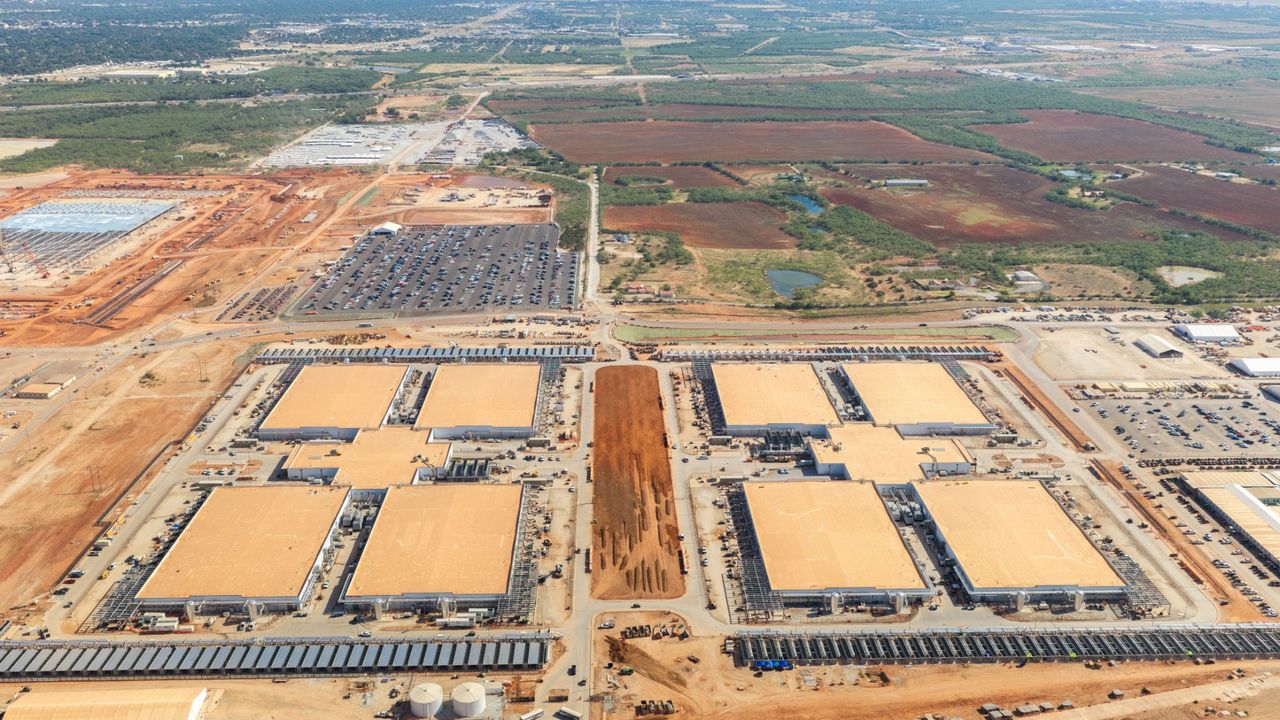
OpenAI and local officials in Georgia face a racketeering lawsuit over the approval of a $30 billion, 3.2-gigawatt AI datacenter project, with plaintiffs alleging unlawful coordination via non-disclosure agreements. While standard zoning disputes are routine in infrastructure development, invoking anti-racketeering statutes marks a sharp escalation in local resistance to hyperscale compute buildouts.
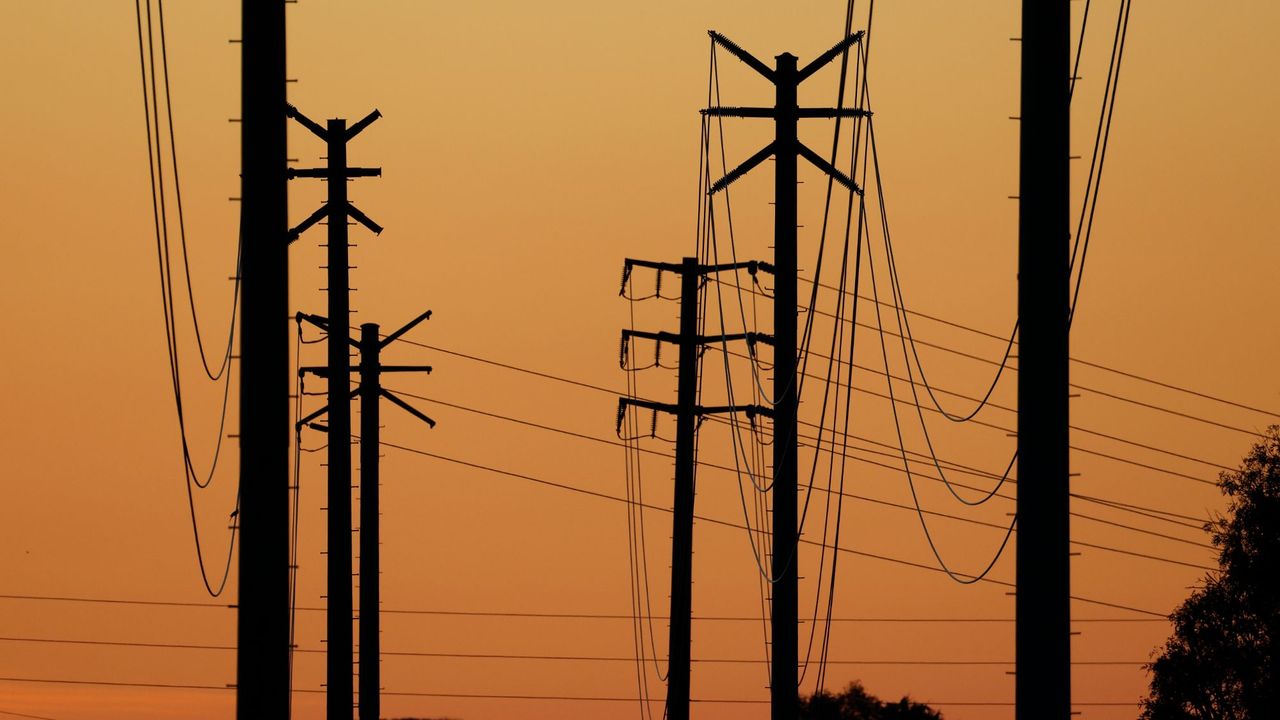
For decades, tech giants relied on strict NDAs and code-named shell entities—such as Project Camellia in this dispute—to secure land, water rights, and power grid allocations before local communities could mobilize opposition or bid up real estate prices. That playbook is breaking down as AI infrastructure scales from tens of megawatts to multi-gigawatt campuses that rival the electricity consumption of mid-sized cities. Municipal strain over utility rates, water tables, and tax abatements has turned routine site selection into high-stakes political warfare. For global cloud and AI providers, the primary bottleneck is shifting from semiconductor supply chains to municipal permitting and litigation risk. Extended legal challenges threaten to delay compute clusters by quarters or years, locking up capital expenditures and forcing hyperscalers to overpay for pre-permitted power sites.
This friction directly alters the calculus for Japanese enterprises, domestic cloud providers, and major System Integrators (SIers). First, delays in US gigawatt-scale buildouts will keep global frontier model training and inference capacity tighter and pricier for longer, undermining assumptions of rapid API cost deflation for Japanese corporate buyers. Second, Japan is embarking on its own regional datacenter expansion outside congested Tokyo and Osaka corridors, targeting regions like Hokkaido and Kyushu where renewable energy and land are more accessible. Japanese telecom operators and SIers building sovereign AI clouds cannot afford to copy the opaque US site-selection model.
In Japan, consensus-building with prefectural governments, local utilities, and agricultural or fishing cooperatives is already delicate; heavy-handed NDAs that bypass public scrutiny would trigger severe reputational and regulatory blowback. Instead, Japanese infrastructure players and SIers have a strategic opening to differentiate through transparent municipal partnerships—integrating waste-heat recovery for local agriculture or co-investing in grid resilience. For Japanese enterprise IT leaders and development teams, relying exclusively on US-hosted hyperscale regions carries growing geopolitical and legal execution risk. Diversifying AI workloads across domestic sovereign infrastructure and smaller, distributed inference nodes will become a core requirement in enterprise architecture planning.