Google has placed a prototype Project Suncatcher satellite carrying Trillium TPUs into orbit via SpaceX's Transporter-18 rideshare. The ambition is clear: move AI compute to where sunlight is constant and cooling is free.
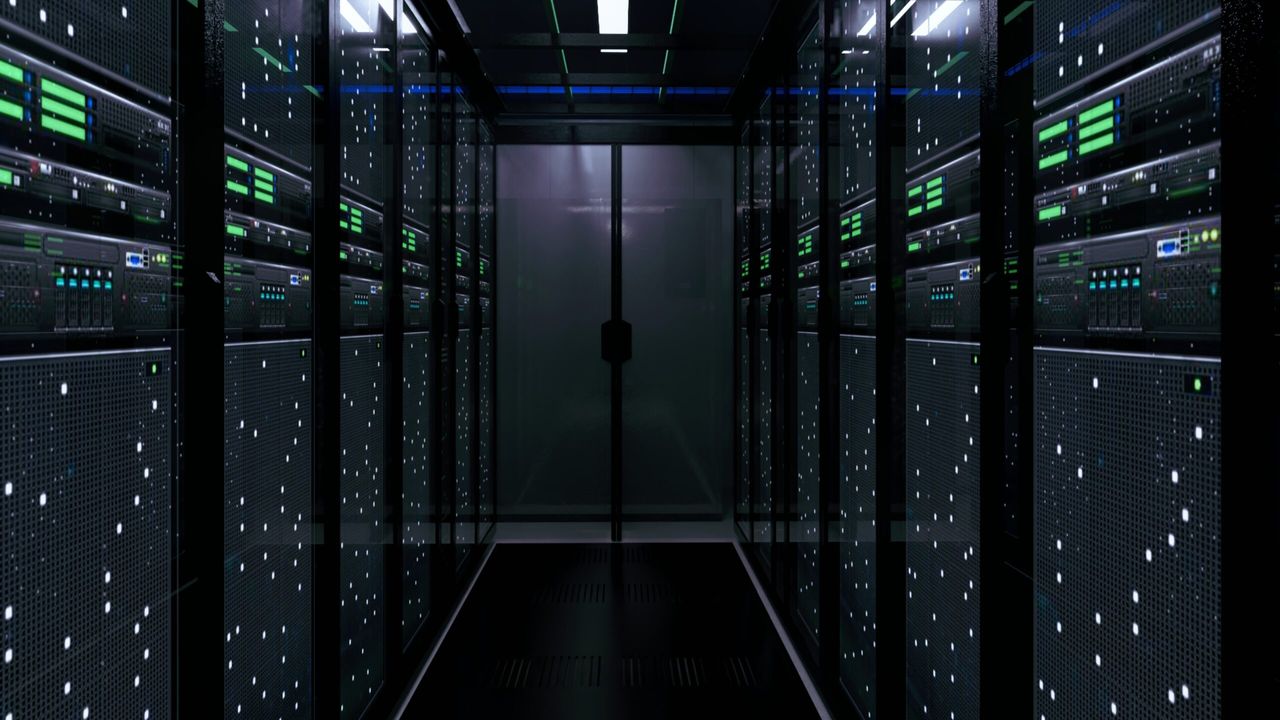
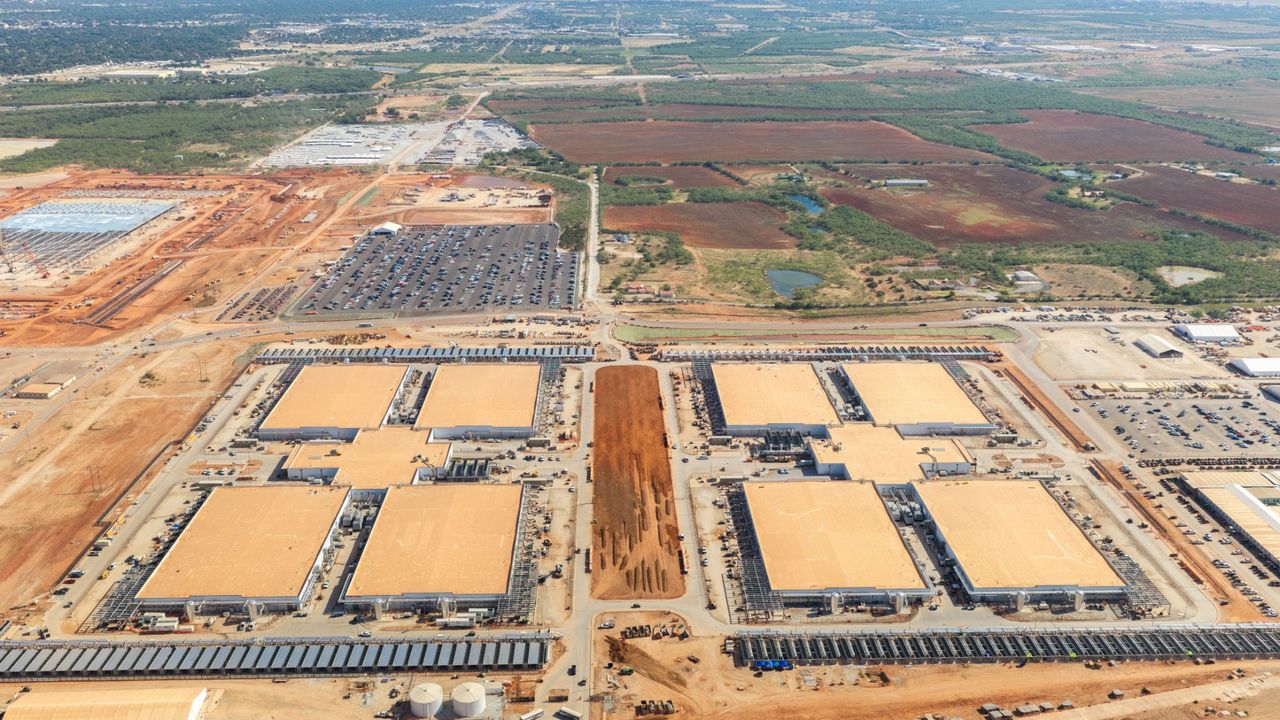
The strategic logic is energy, not novelty. Terrestrial AI datacenters are now constrained less by chips than by power delivery, grid interconnection queues, and water for cooling. A sun-synchronous orbit offers near-continuous solar input and the vacuum of space as a heat sink, in theory sidestepping the two bottlenecks throttling hyperscaler expansion. Pairing this with SpaceX's falling launch costs reframes orbit as a potential compute tier rather than a science experiment. The hard problems remain brutal: radiation hardening for TPUs, thermal rejection without atmosphere, laser inter-satellite bandwidth to rival fiber, and servicing hardware that cannot be swapped by a technician. Suncatcher is a probe into feasibility, not a product. But it signals that the frontier AI arms race is now also an infrastructure and energy race, where Google, Amazon, and Microsoft will differentiate on where and how they generate compute, not just which models they ship.
For Japan, the read-through is sharper than it first appears. Japanese hyperscaler ambitions are capped by exactly the constraints Suncatcher targets: a strained grid, limited land, high power costs, and seismic and cooling risk. If orbital or novel-siting compute matures, it widens the gap between firms that own frontier infrastructure and those that merely rent it. Domestic cloud players and the big SIers face a structural choice: NTT, NEC, and Fujitsu have genuine strengths in satellites, optical communications, and radiation-tolerant electronics that could position Japan as a components and ground-segment supplier to this emerging layer.
For SIers and enterprise IT teams, the near-term action is not procurement but posture. The commodity work of building and migrating datacenters is being absorbed into hyperscaler platforms moving faster than any integrator can match. The defensible value shifts to orchestration across heterogeneous and increasingly exotic compute, cost and carbon optimization, and sovereignty-aware architecture. Japanese buyers should treat compute location and energy source as first-class procurement variables now, and press vendors on power provenance. Suncatcher is years from relevance to any production workload, but it marks the moment compute siting became a boardroom-level strategic decision rather than a facilities one.