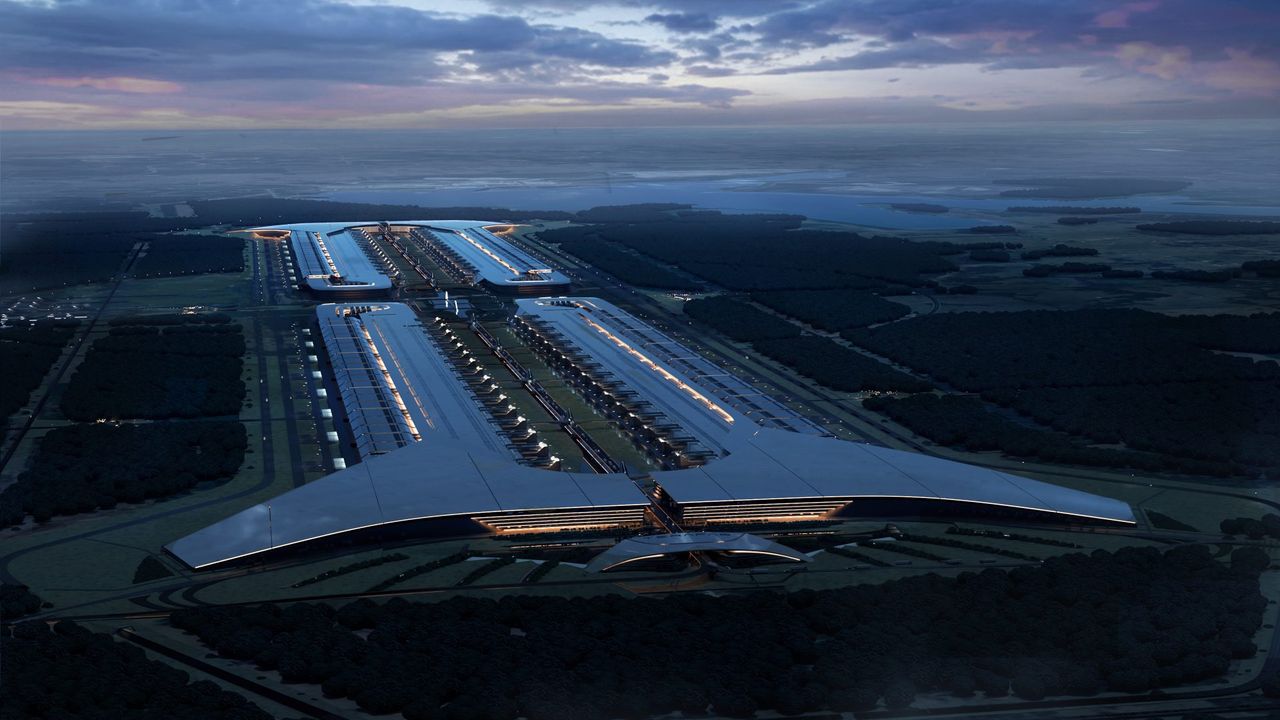
Terafab, the semiconductor venture tying together SpaceX and Tesla with technical backing from Intel, has signaled to suppliers a memory target near 700,000 wafers a month, roughly Samsung's entire DRAM output, scaling toward a million by 2032 to feed Optimus robots and orbital data centers.
The strategic logic is captive supply. Musk is not trying to win the merchant memory market; he is trying to remove memory as a constraint on two compute-hungry roadmaps he controls. That reframes the project. If even half of this capacity materializes, it is demand that never clears through the open market, plus a potential swing producer that could dump surplus bits during downturns. Memory is cyclical precisely because supply is lumpy and concentrated among three players. A fourth entrant of this scale, indifferent to spot pricing because its buyer is itself, is the kind of structural change that compresses margins for everyone else.
The caveats are large. Greenfield memory fabs at this volume require sustained tens of billions in capital, mature process yields, and years of ramp. Musk's stated timelines routinely slip, and Intel's own manufacturing turnaround is unproven. Treat 2032 as aspiration, not schedule. The signal that matters today is intent and the pressure it puts on incumbents' long-range capacity planning.
For Japan, the exposure cuts two ways. Japanese memory maker Kioxia and the logic ambitions of Rapidus would face a new structural competitor, while any supply glut would pressure the pricing their business cases assume. The clearer opportunity sits upstream: a fab build-out of this size is a multi-year order book for Tokyo Electron, Advantest, Screen, Disco, and materials suppliers such as Shin-Etsu and JSR, whose equipment and chemicals every fab needs regardless of who owns it.
For Japanese SIers and enterprise teams, the second-order read is the stack itself. A vertically integrated chip-to-robot pipeline points to where embodied AI and edge compute are heading. The integration skills that will command a premium are less about cloud migration and more about orchestrating physical automation, robotics middleware, and on-device inference. Firms still anchored to RPA and legacy systems should treat Terafab as a marker of how fast the hardware substrate beneath their roadmaps is shifting.




