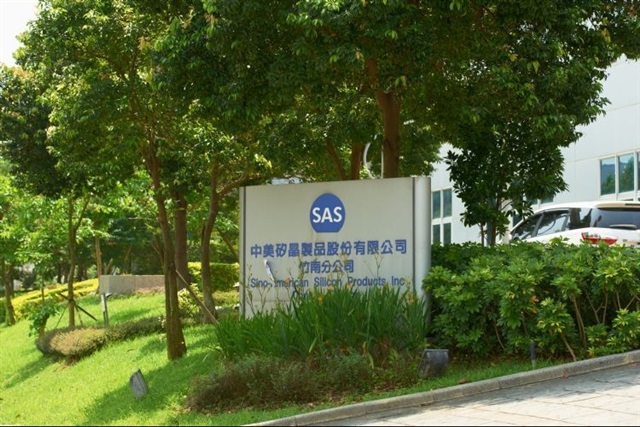
Taiwan's Sino-American Silicon Products reported record revenue for the first three quarters of 2026, crediting AI data-center construction, surging HBM demand, and a dual focus on what it calls computing power and electricity. The phrasing matters more than the number.
The decisive signal this week is not a chip. It is Anthropic reportedly committing roughly $3.4 billion to gas-fired generators to power its data centers. When a frontier model lab starts buying generation capacity directly, it is admitting that grid interconnection, not GPU supply, now sets the pace of expansion. SAS reading the same market and leaning into both silicon and power is the supply side of that story. The scarce input in the AI buildout is migrating from wafers to megawatts, and the firms that sit across both, materials and energy, are repositioning accordingly.
This reframes how executives should model AI infrastructure risk. Capacity planning used to hinge on allocation from TSMC and memory vendors. It now hinges on how fast a utility can deliver firm power, how a site clears permitting, and whether local voters tolerate the load. The post-midterm backlash against US data-center buildouts is the political expression of the same constraint. Compute is becoming a function of energy policy.
For Japan, the implication is sharper than for most markets. Japan wants to host sovereign AI capacity, yet its grid is fragmented across regional utilities, interconnection is slow, and industrial electricity prices run high. Any SIer or enterprise pitching a domestic AI data center should now treat a firm power contract and substation timeline as the gating item, not rack space. Behind-the-meter generation and long-term PPAs will move from optional to standard in Japanese deal structuring.
There is also an upside for Japanese suppliers. The HBM demand cited here flows through a materials chain where Japanese wafer and chemical makers hold genuine positions, and the energy-transition pivot favors firms selling into both semiconductor fabs and power infrastructure. The strategic question for Japanese boards is whether to keep treating chips and energy as separate procurement lines, or to follow SAS and underwrite them as one integrated bet on AI's physical limits.




