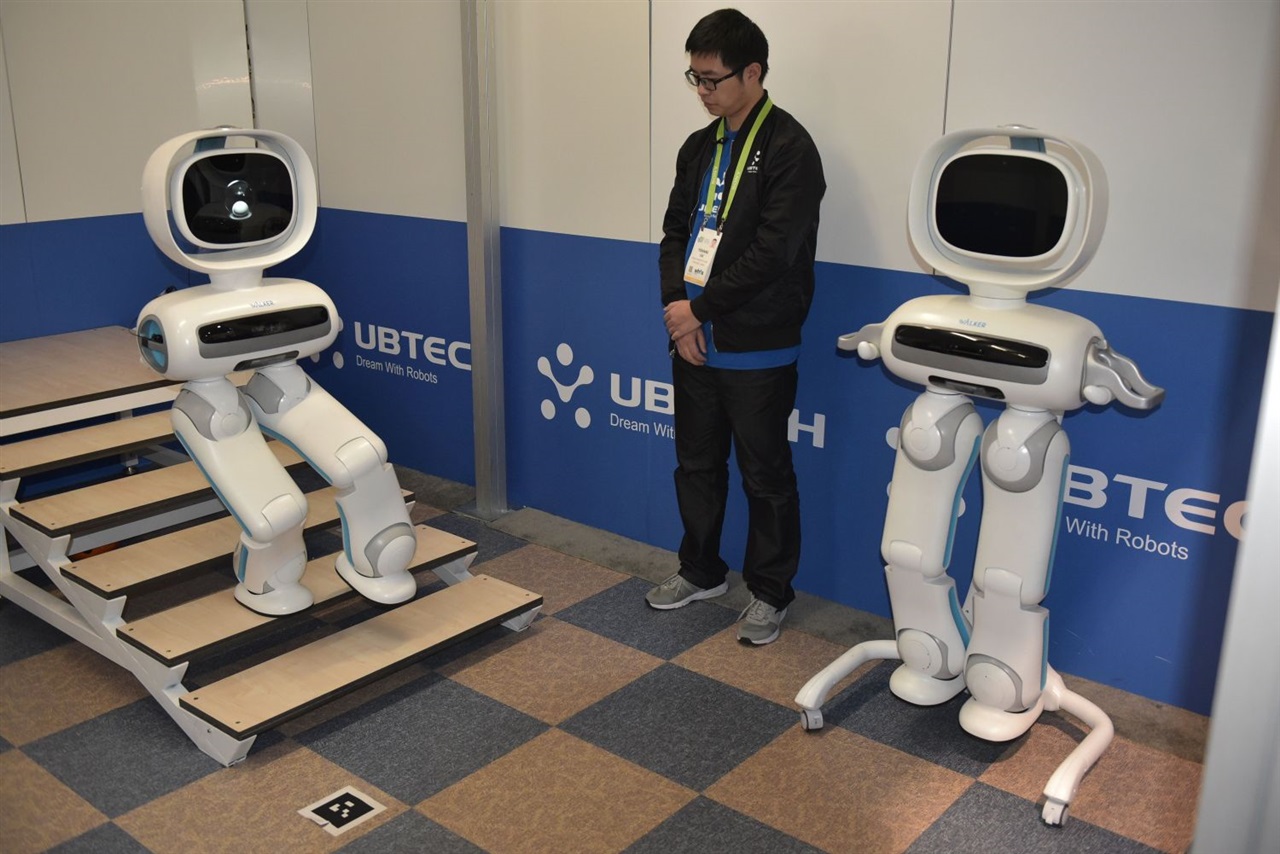
Agile Robots aims to build 1,000 to 2,000 compact humanoids next year on an Nvidia partnership, with the Agile ONE S and ONE SN targeting universities and corporate research labs from late 2026.
The numbers matter less than the customer. By seeding research institutions rather than factory floors, Agile Robots is playing the same long game that defined CUDA's dominance: capture the developers and researchers early, and the commercial deployments follow because the talent pipeline already speaks your language. Nvidia understands this better than anyone. Its Isaac and GR00T stack is not really about selling humanoids — it is about making its simulation-to-deployment toolchain the default substrate for embodied AI, the way it became the default for model training. Whoever owns the research sandbox owns the standard. The strategic risk for competitors is that a fragmented humanoid hardware market consolidates around one software and compute layer, leaving robot builders in the same thin-margin position as today's PC OEMs.
For global executives, the signal is that humanoid economics are shifting from mechanical engineering toward AI infrastructure dependence. A robot's value increasingly lives in its learned policies and the compute behind them, which means capex, foundation-model access, and platform licensing — not actuators — will determine who profits. That reframes humanoids as an extension of the AI-infrastructure buildout, not a separate category.
For Japan, this is both a warning and an opening. Japanese firms hold genuine depth in precision actuators, motors, and factory integration, and companies across the automation and components supply chain stand to benefit as humanoid volumes rise. But the research-lab entry point is where Japan has historically been strong and is now exposed: if domestic universities and corporate R&D labs standardize on a foreign compute-and-simulation stack, Japan risks owning the hardware body while renting the brain. The question for Japanese robotics leaders and their long-horizon manufacturing partners is whether to compete at the platform layer or specialize deliberately as the premium physical-component supplier.
For SIers and enterprise automation teams, humanoids extend the RPA logic from software bots into the physical world. The firms that win early deployment contracts will be those that treat embodied AI as an integration discipline — fleet orchestration, safety validation, and data pipelines — rather than a hardware purchase. That is squarely in the SIer wheelhouse, provided they build simulation and robot-learning competency now rather than after the standards harden.