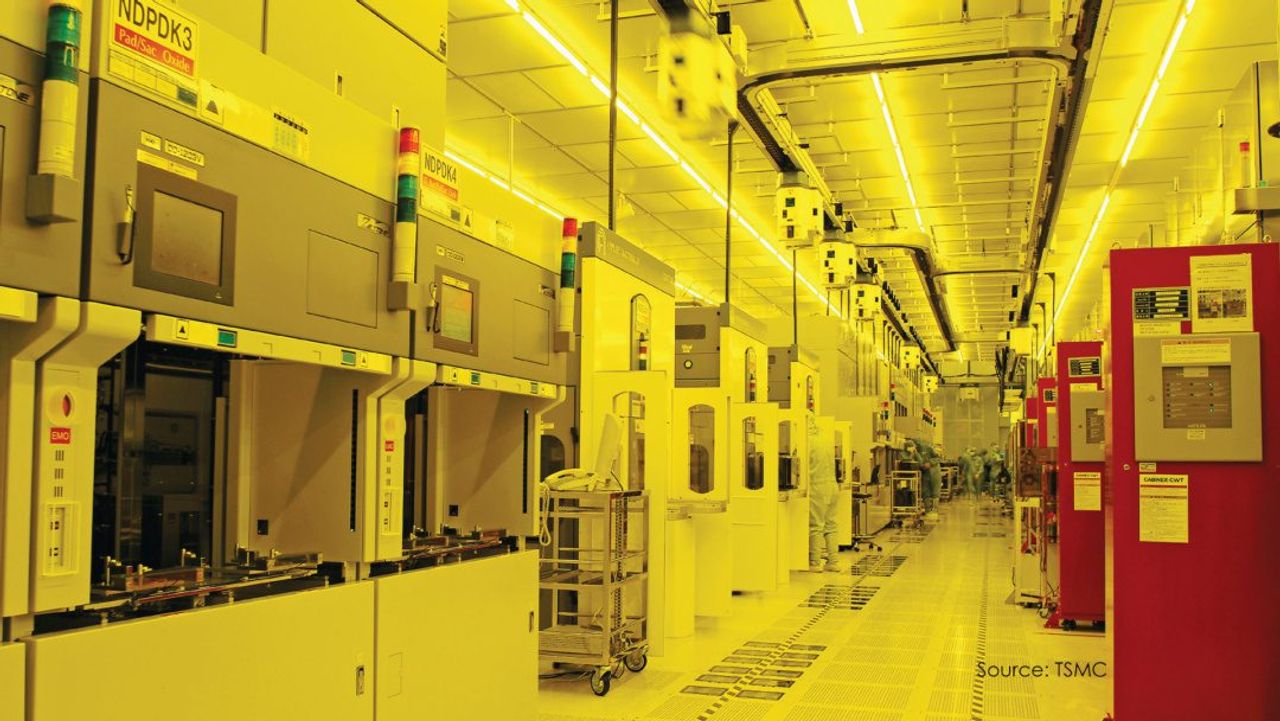
Electronics production accelerated across major manufacturing economies in 2026, with AI infrastructure demand driving the fastest expansion in Taiwan even as PC and smartphone shipments slide and memory supply tightens, according to Semiconductor Intelligence. The headline growth number hides the real story: this is not a broad recovery but a violent reallocation of capacity toward a single demand vector.
For global executives, the key signal is bifurcation. Capital, wafers, and advanced packaging are being pulled into the AI datacenter stack, while the consumer electronics engine that historically set the industry's rhythm no longer leads. That inversion matters because it breaks old planning assumptions. Memory is the clearest pressure point. When HBM for accelerators absorbs leading-edge DRAM capacity and investment, commodity DRAM and NAND tighten and prices firm up, squeezing margins for anyone building phones, PCs, or embedded devices. The risk is a cost shock that propagates well beyond the companies actually buying GPUs.
The concentration angle compounds this. Taiwan growing fastest confirms that the AI buildout deepens dependence on a narrow geographic and corporate base for the most valuable silicon. For buyers, that means pricing power sits firmly upstream, and lead times become a strategic variable rather than a procurement detail.
For Japan, the implications cut two ways. On the upside, Japanese suppliers sit in the profitable layers of this cycle: silicon wafers, photoresists and specialty materials, plus test and packaging equipment that AI chips consume heavily. Memory producers also stand to benefit from firmer pricing after a brutal downturn. Rapidus and the broader domestic rebuild thesis gain narrative support from exactly this kind of structural demand. The downside lands on Japanese enterprises and the SIers who build for them. Server, storage, and AI-PC refresh programs will face higher memory-driven hardware costs, pressuring datacenter and cloud migration budgets just as every firm is being pushed to adopt AI.
For SIers and in-house development teams specifically, the practical move is to treat compute and memory as a managed cost line, not a commodity. That means locking procurement windows, designing workloads to be memory-efficient, and steering clients toward right-sized inference rather than reflexive hardware buildout. The teams that plan around scarcity will protect margin; those assuming cheap, abundant silicon will get caught by the next pricing leg.




