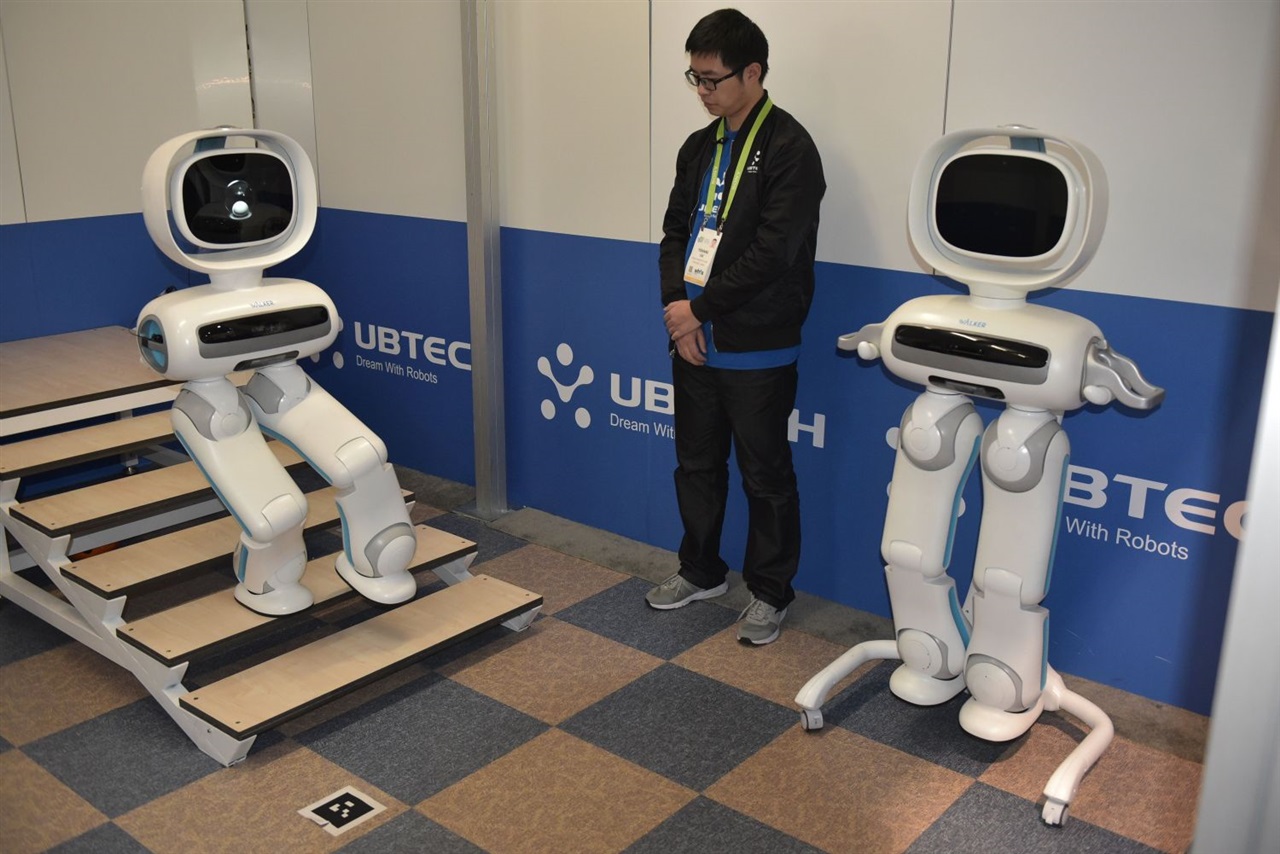
Xilect, the MetaX–UBTech Robotics venture, has raised CNY500 million to build an embodied-AI computing platform benchmarked against Nvidia's Thor. For robot manufacturers globally, the potential opportunity is another source of computing hardware; the risk is adding a software stack that costs more to integrate than the hardware saves. Funding alone establishes neither performance parity nor commercial readiness.
The venture's structure offers a plausible route to adoption: a GPU designer can work directly with a robot maker on operational workloads rather than optimize for generic benchmarks. That could align silicon, power consumption and control software. The trade-off is narrow optimization. A platform suited to its founding partner's robots may require substantial adaptation before independent manufacturers can adopt it economically.
Xilect need not match Thor across every workload to matter commercially. It needs useful robot applications that can sustain investment in software tools and support. The competitive question for Nvidia is whether that foothold could grow beyond the founding partner. Buyers should demand evidence of predictable latency, thermal behavior and recovery from failures. Investors should distinguish a captive deployment channel from independent customer demand.
In Japan, robot makers and enterprise buyers should treat Xilect as a candidate to evaluate, not a validated replacement. A domestic Chinese platform may broaden sourcing options, but it does not remove concentration risk if hardware, software maintenance and support depend on the same ecosystem. Procurement teams should examine applicable export restrictions, update access, component availability and responsibility for faults before committing to operational deployments.
Japanese SIers could turn this uncertainty into a service business around platform qualification and portability. Separating application logic from hardware-specific code, testing factory-system interfaces and defining safe rollback procedures would make alternative chips easier to assess. Contracts should cover ongoing software qualification, not just installation. The margin opportunity is managing platform change without forcing customers to rebuild their workflows.