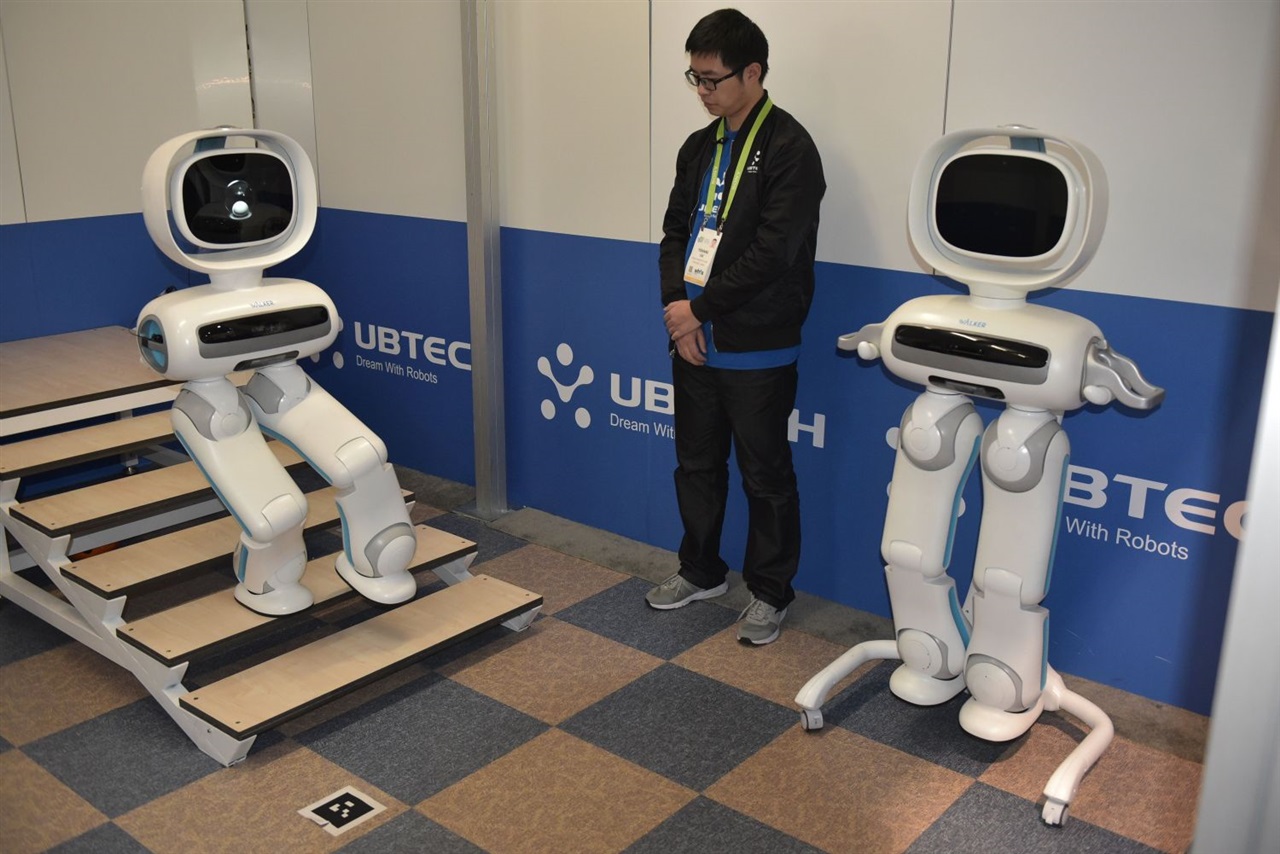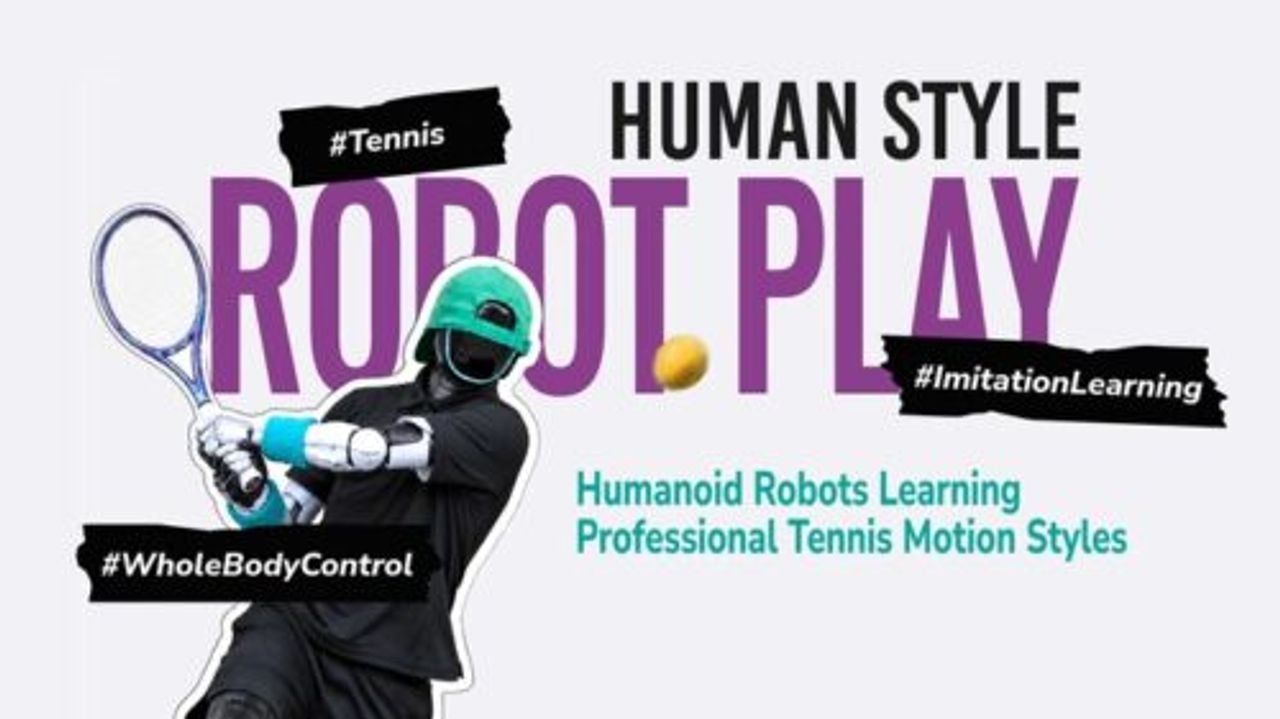
The engineering thesis here is quietly significant: separate the high-level planner that decides *what* a humanoid should do from the low-level tracker that controls *how* joints execute it. By training the tracker across randomized execution speeds and pairing it with a learned speed adapter, the system absorbs the compounding errors that normally break robots the moment they leave simulation. Validation on full-size, in-the-wild serving without motion capture is the part that matters commercially, because it signals a path out of the lab.
Globally, this lands at an inflection point. The humanoid race has been dominated by raw hardware demos and valuation theater, from Tesla's Optimus to Figure and a wave of Chinese entrants. What has been missing is a credible control stack that generalizes. Architectures that decouple planning from tracking are becoming the de facto standard precisely because they let teams reuse a robust tracker across tasks and platforms, turning bespoke robotics into something closer to a software layer. The strategic risk for incumbents is that control IP, not actuators, becomes the defensible moat.
For Japan, the implications cut deep. The country effectively invented consumer humanoid ambition with ASIMO, yet watched that lead erode into caution. Toyota, Honda, Sony, and a dense tier of precision-component suppliers still own world-class hardware and motion-capture expertise, which is exactly the raw material this learning-based pipeline consumes. The opening is to pivot from building the perfect body to owning the adaptive control and sim-to-real layer that makes any body useful.
The harder question is organizational. Japanese SIers and manufacturing integrators excel at deterministic automation and fixed-path RPA, where behavior is specified rather than learned. A speed-aware, data-driven tracker demands a different muscle: reinforcement learning pipelines, simulation infrastructure, and tolerance for probabilistic failure. SIers that treat humanoids as programmable PLCs will misprice the work. Those that build retargeting, motion-reconstruction, and domain-randomization capability can position as the integration layer between foreign model developers and Japan's acute labor shortage in logistics, elder care, and construction.
The near-term signal to watch is whether Japanese firms license or co-develop these control frameworks rather than rebuilding hardware in isolation. The decoupled architecture lowers the barrier to entry, which cuts both ways: it invites fast-moving startups while handing a second chance to incumbents willing to treat robotics as a learning problem, not a mechanical one.