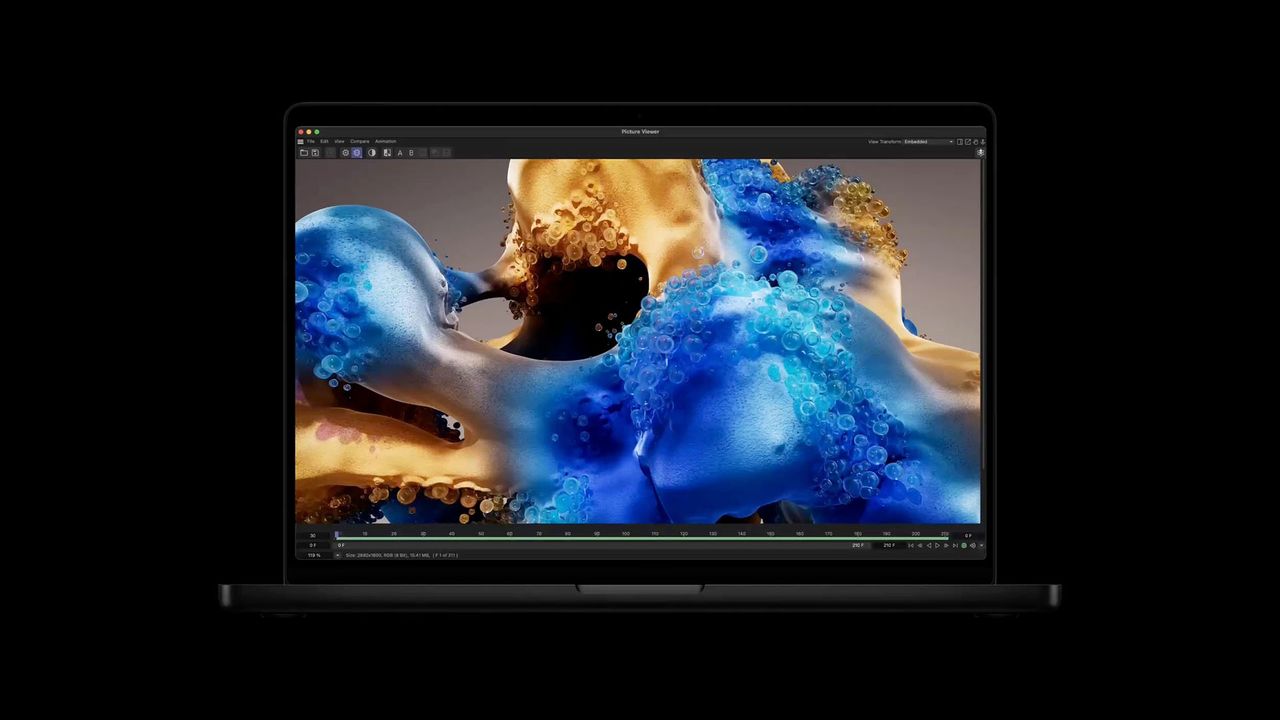
Apple's 14-inch M5 Pro MacBook Pro, with 24GB unified memory and a doubled 2TB SSD, has fallen to $2,399 on Amazon — a $600 reduction on a premium configuration Apple rarely discounts.
The strategic signal matters more than the sticker. Apple protects margins on higher-end Pro silicon obsessively, so a cut this deep on a current-generation chip usually points to one of two things: channel inventory being cleared ahead of a refresh cycle, or softening demand at the top of the professional lineup. Either way, it tells us the premium workstation segment is no longer immune to the price pressure that has defined the mainstream PC market. The timing is notable as Arm-based rivals mature. Qualcomm's Snapdragon X2 push and Microsoft's Surface refreshes are turning Apple's silicon advantage into a contested battleground rather than a moat, and aggressive pricing is one of the few levers left when the hardware story alone stops closing deals.
There is a deeper developer-economics angle. The M5 Pro's local compute — a 15-core CPU and 16-core GPU with generous unified memory — is increasingly bought not for video editing but for on-device AI inference and running local models during development. As engineering teams weigh cloud GPU bills against capable local machines, a sub-$2,400 workstation with 2TB of fast storage reframes the build-versus-rent calculus for AI-adjacent development.
For the Japanese market, this is sharper than it looks. A weak yen has made Apple's professional hardware painfully expensive for domestic buyers, so dollar-denominated discounts like this rarely translate into equivalent relief locally — Japanese pricing tends to stay sticky and high. That gap matters for SIers and enterprise dev shops, where Mac adoption has grown among frontend, mobile, and AI engineering teams but still fights procurement inertia favoring cheaper Windows fleets. The practical read for Japanese IT leaders: standardizing on M-series workstations for AI and app development is defensible on performance and local-inference grounds, but budget planning must assume minimal benefit from US-style flash sales. SIers advising clients on developer hardware refreshes should model total cost around domestic retail and corporate channels, not Amazon US headlines, and treat local on-device AI capability — not raw benchmark bragging rights — as the real justification for the premium tier.




