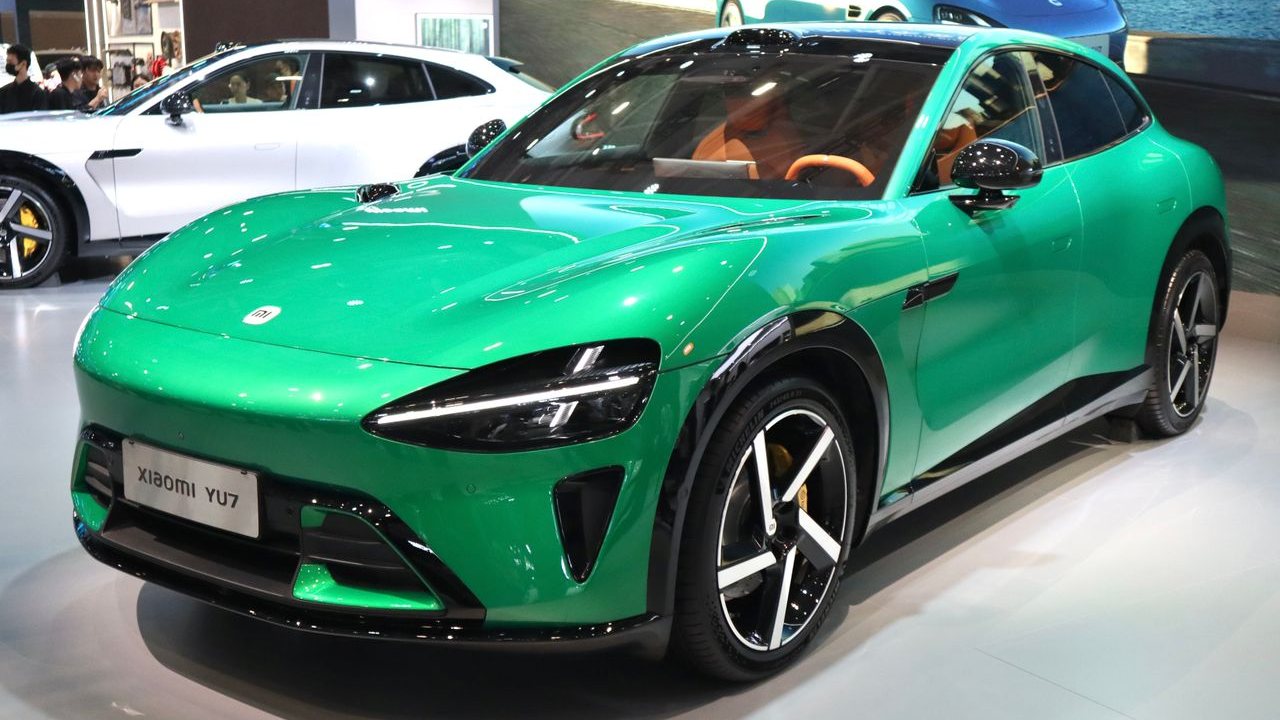
Xiaomi's debut EV, the SU7, has crossed 300,000 cumulative deliveries less than two years after launch. The number matters less than what it proves: in automotive, the durable moat is migrating from mechanical engineering and badge prestige toward software, ecosystem lock-in, and cost structure.
The mechanic that should unsettle every incumbent is customer acquisition. Xiaomi enters the showroom already owning a relationship with hundreds of millions of phone and IoT users, turning an installed base into a pre-warmed sales funnel. Where Volkswagen, Toyota, or GM spend heavily to win each buyer's attention, Xiaomi converts existing trust at a fraction of the cost. In the $28,000-$42,000 band where volume and margin collide, that gap is decisive, not cosmetic. It is the same playbook Apple abandoned when it shelved Project Titan, executed by a rival willing to ship at scale.
The risk to legacy players is layered. First, direct erosion of the heartland: C-segment sedans like the Corolla, Civic, and VW Lavida now face a same-price rival that wins on screen latency and home-device integration rather than reliability folklore. Second, brand-premium decay among younger buyers who rank the in-car OS above heritage. Third, distribution overhang, as sprawling dealer networks built for a financed, in-person era turn into fixed-cost liabilities once direct online sales scale.
Tier-1 suppliers are equally exposed. Bosch, Continental, Denso, and Aisin built portfolios around legacy OEMs, yet Xiaomi and BYD favor vertical integration, designing battery packs and sourcing silicon in-house. That leaves shrinking room for traditional component vendors inside China's fastest-growing nameplates.
Three moves follow. Incumbents must devolve China product decisions locally and compress development cycles below 18 months. They must treat the vehicle OS as a core asset, partnering aggressively for software talent rather than building slowly in isolation. And suppliers should stand up dedicated units to compete on price, speed, and customization. China is the proving ground, and whoever loses share here loses voice across the global EV supply chain. The strategic answer is reinvestment, not retreat.




