DeepSeek will permanently cut V4 Pro API prices by 75% from June 1, pricing input at roughly $0.435 per million tokens—a fraction of frontier US labs. But the price is secondary; the architecture behind it is the real story.
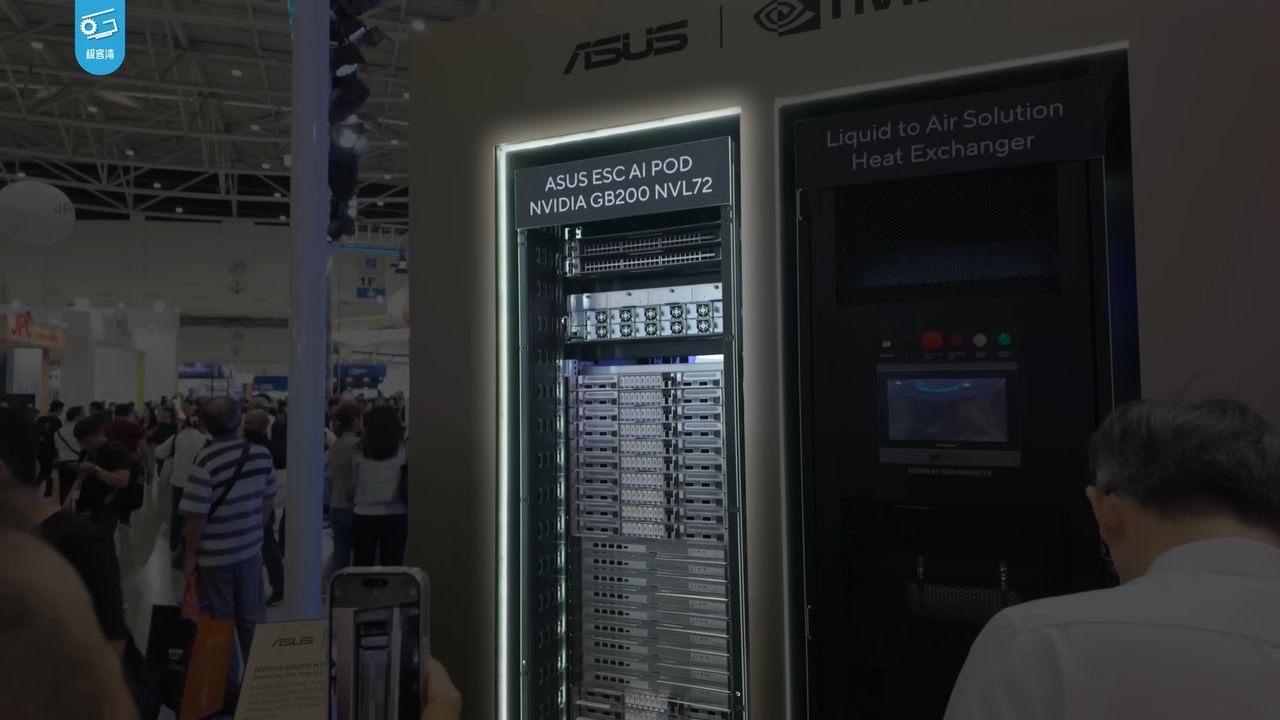
The consensus AI hardware stack has been built on a single chokepoint: high-bandwidth memory. Inference requires holding conversational context in a KV cache, and that cache has lived in expensive, supply-constrained HBM—the resource that makes NVIDIA's top GPUs both essential and scarce. With GB200 lead times now stretching multiple quarters, that scarcity has become the industry's binding constraint. DeepSeek's reported ability to compress its KV cache to under 6GB—against tens of gigabytes for comparable models—reframes inference from an HBM-bound problem into a tiered memory and scheduling problem solvable with NAND, LPDDR, and SSDs.
If this design philosophy spreads, the economic gravity of the AI buildout shifts. The current winners' circle—NVIDIA, SK Hynix, Samsung, Micron's HBM lines, and silicon wafer suppliers riding the HBM wave—face a scenario where demand growth decelerates rather than compounds. Conversely, NAND-heavy players (Kioxia, Micron's flash business), LPDDR vendors, and edge-inference SoC designers like those serving automotive and industrial markets gain a credible path into AI workloads they were previously locked out of. Domestic and alternative GPU efforts also benefit, since competing layer-by-layer on inference, caching, and storage is far cheaper than chasing NVIDIA's flagship head-on.
The strategic intent is bigger than market share. By making cheap, hardware-flexible inference the default, DeepSeek is positioning itself as an infrastructure standard-setter rather than just a model vendor—pulling developers, enterprises, and chipmakers onto its stack. This is the same playbook AWS and Android ran: commoditize the layer above you to control the layer that matters.
For executives: treat single-vendor GPU dependence as a strategic risk, not a procurement detail. Diversify inference sourcing toward NAND, LPDDR, and alternative accelerators; fund R&D into MoE and latent-attention compression to cut inference cost structures; and rebalance capital from raw training capacity toward efficient inference infrastructure. The $10 trillion figure circulating is speculative, but the directional bet—that inference economics, not training scale, decides the next decade—is sound.




