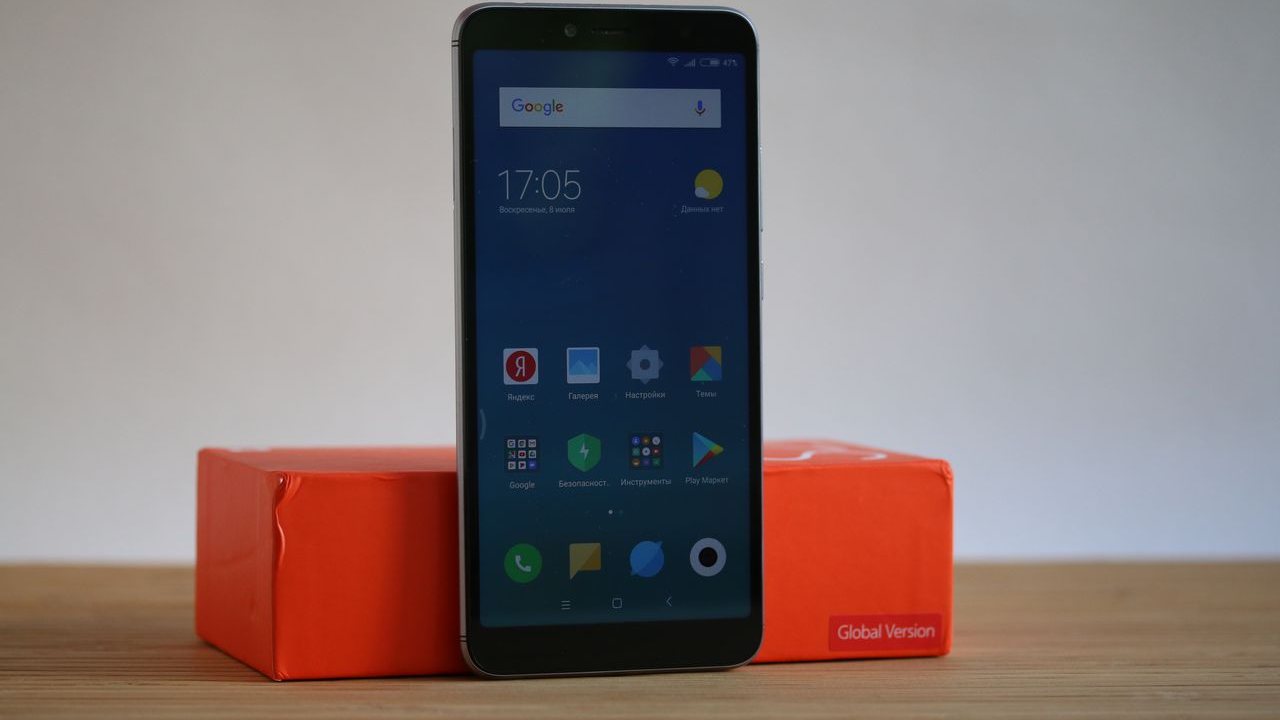
Xiaomi's new flagship—built around a 1-inch image sensor, a custom Snapdragon-class SoC, Leica tuning and benchmark scores at the top of the market—is priced near $1,000, undercutting Western and Japanese premium devices on cost while matching or beating them on raw hardware. The strategic story isn't the phone; it's what it reveals about who captures value in a commoditizing premium tier.
The sharpest illustration is the supplier paradox. Sony's semiconductor arm holds more than half the global market in smartphone CMOS sensors, and Xiaomi's flagship almost certainly uses its silicon. Every Chinese flagship sale is a win for Sony's components business and a loss for its own Xperia line, which carries comparable sensors but trails on SoC performance, on-device AI and computational photography. This internal conflict—profiting from the disruption of your own product—is becoming structural across the supply chain and will force hard portfolio decisions.
For pure handset brands the math is worse. Sharp, FCNT and Kyocera, along with any Western OEM relying on hardware differentiation, lose their core sales argument once Chinese rivals lead on specs at lower prices. Carriers from Deutsche Telekom to NTT face procurement pressure: diversify away from incumbents to capture margin, or hold the line on security and data-governance grounds. Expect government and enterprise buyers to formalize sourcing standards for Chinese-made devices—an economic-security overlay that will shape the addressable market.
The defensible response is to stop competing on raw silicon. Sony should aggressively scale sensor supply to Chinese OEMs as a profit engine while pivoting Xperia toward experiences rivals cannot copy—pro video, Cinema Line integration, audio-visual ecosystem lock-in. Apple's model proves the point: hardware parity is no longer the moat; software, AI and ecosystem are.
For investors and operators, the signal is clear. Premium smartphone hardware is following PCs into commoditization, and value migrates to sensors, custom silicon design, on-device AI and platform ecosystems. Firms still framing 2026 strategy around spec leadership are planning for a war that is already lost.




