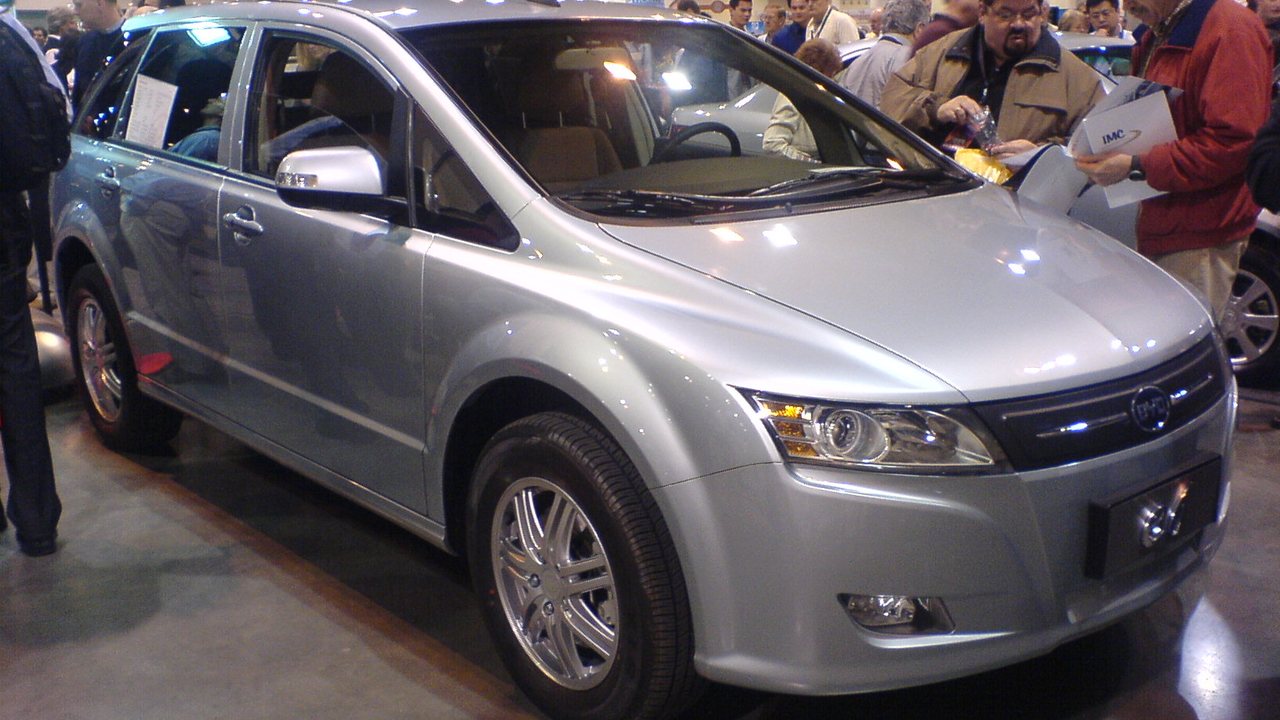
BYD's breakthrough past 50,000 monthly units in Europe, overtaking Volkswagen's ID lineup, matters less for the raw number than for where the volume sits: the €20,000–€35,000 band where European electrification has stalled. The continent's adoption plateau in 2024 was never about demand fatigue—it was a pricing failure. Subsidies shrank, and incumbents kept anchoring portfolios above €40,000. BYD simply walked into the vacuum with the Seagull and Atto 3, proving that affordable EVs sell when someone actually builds them.
The strategic playbook is recognizable because European and Japanese makers wrote it first. BYD's Szeged plant in Hungary and exploratory German capacity are a direct counter to the EU's 35.3% tariff wall, but the deeper aim is brand naturalization—becoming a 'European' carmaker by manufacturing locally. This is the 1980s Japanese transplant strategy compressed into a fraction of the time. Nissan's Sunderland and Toyota's Burnaston footprints, once symbols of incumbency, now risk looking like legacy cost centers rather than competitive moats.
For the established players the pressure is acute. Toyota's bZ4X, Honda's e:Ny1 and Nissan's Ariya are all underperforming, and any 2026 European EV launch priced above €35,000 enters a fight it is structurally positioned to lose. The credible responses are narrow: accelerate genuine A-segment small EVs, share platforms with Stellantis or Renault to amortize cost, and pivot marketing from subsidy dependence toward total-cost-of-ownership economics that survive policy swings.
The supply chain implications cut both ways. BYD's local expansion creates near-term sourcing opportunities for Tier-1 suppliers, but accelerates competition with Bosch, Continental and Valeo while CATL and BYD's captive cell capacity squeezes battery suppliers out. The defensible ground is e-axles, power semiconductors and thermal management—not cells.
The broader signal: Europe is the proving ground for a global cost contest that will spill into Southeast Asia and, eventually, North America. Executives should treat this as a 2030 portfolio question, not a quarterly one. The firms that win will have decided now whether to compete on price, retreat to hybrids, or partner their way to scale—indecision is the only losing move.




