TSMC's upward revision is less a quarterly beat than a public declaration: generative-AI compute demand will sustain double-digit growth well beyond 2026. With Microsoft, OpenAI, Meta, and xAI all placing concurrent Rubin-generation orders, the capacity scramble among hyperscalers now exceeds the intensity of the Hopper cycle. N3 and N2 utilization is running above plan, and a $41B capex envelope locks in years of downstream commitments.
The most immediate strategic implication is for the equipment ecosystem. The N2 transition to gate-all-around architecture raises deposition, cleaning, and etch tool intensity an estimated 15–20% over N3. With roughly two-thirds of capex flowing into tooling, suppliers like Tokyo Electron, ASML, Applied Materials, Lam Research, and Screen face a demand wall—but also an 18-to-24-month lead-time problem. Whoever can compress delivery and double on-site service capacity in Taiwan, Arizona, and Kumamoto will capture share; those who can't will cede it. Vendors should be making accelerated 2025 capex decisions now, not after summer board meetings.
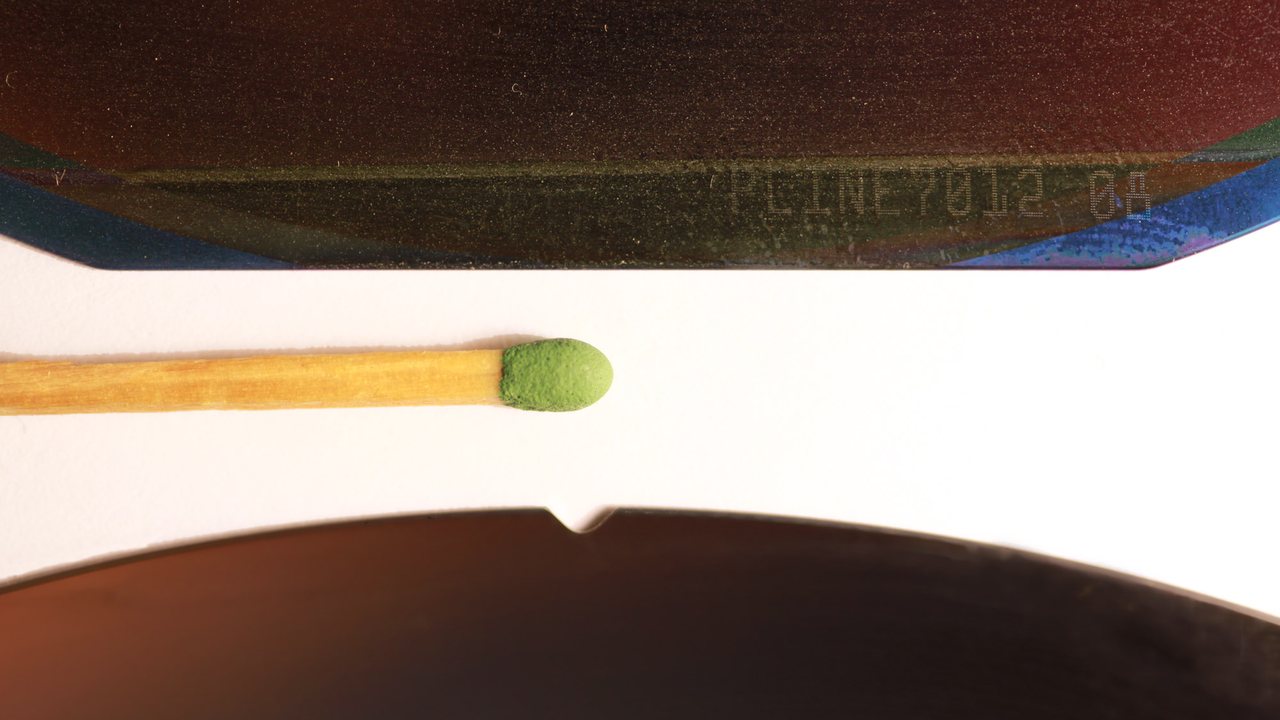
Materials players gain pricing leverage as specs tighten. N2 demands stricter edge-flatness and defect-density tolerances for 300mm wafers (Shin-Etsu, SUMCO), while EUV resist makers benefit from a prolonged 0.33NA window before High-NA scales. CoWoS-L expansion drives double-digit growth in CMP slurries and advanced packaging materials. The winners will shift from volume-following to co-development partnerships embedded early in process design.
The memory ripple is the underappreciated story. Rubin packages carry 3–4x the HBM of Hopper, pulling forward investment decisions at SK Hynix, Samsung, and Micron. For any second-tier player, the window to enter HBM4 is closing fast—miss it and you're locked out of AI memory entirely. Investors should watch lead-time disclosures and packaging capacity as leading indicators, and treat 2026 as the decisive year when AI-driven capex either compounds or corrects.




