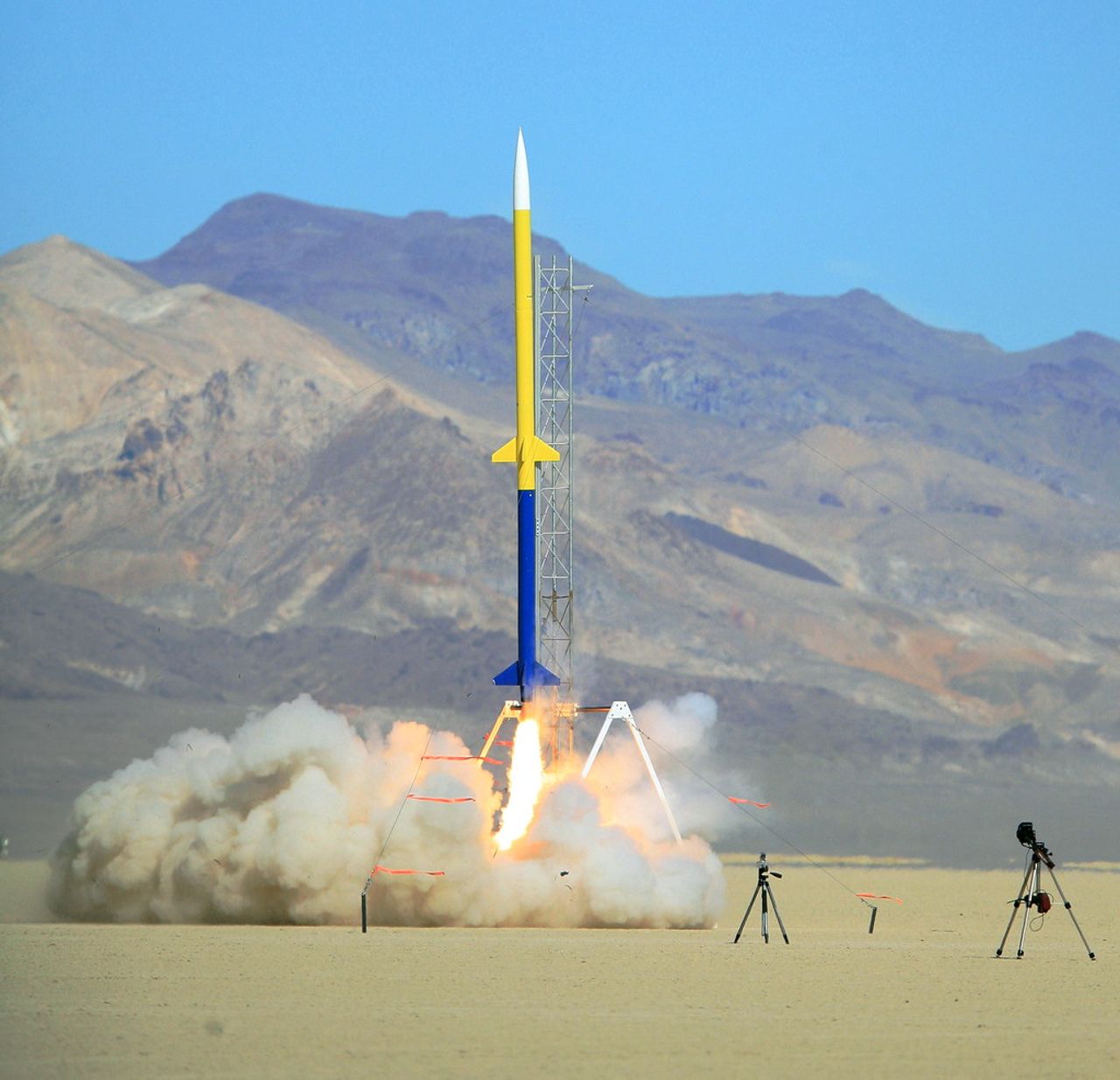
Tesla staged its long-delayed Roadster reveal at SpaceX's McGregor site, flaunting air thrusters that flipped the car mid-air. The engineering crossover is genuine, but the demonstration was a halo exercise, not a product launch.
The strategic read is that Tesla is deliberately reframing itself. For years the Roadster has functioned as a marketing anchor rather than a car with a credible ship date, and the SpaceX rocket-tech framing pushes that further. Musk is selling a 'physical-AI empire' story—one where Tesla's value rests on robotics, autonomy, and manufacturing prowess rather than unit EV sales. That pivot is timed to a market where Chinese EV makers are compressing margins and Tesla's core deliveries have lost momentum. Spectacle buys narrative room while the fundamentals cool.
For investors the signal is mixed. Bloomberg framed the reveal against a broader chip rout and the longest semiconductor losing streak since 2008, a reminder that the AI-hardware trade underpinning Tesla's compute ambitions is itself fragile. A kickflipping sports car does little to resolve questions about when, or whether, the physical-AI thesis converts into revenue.
For Japan, the implication is sharper than it first appears. Toyota, Honda, and Nissan have been criticized for slow EV execution, but Tesla's theatrics expose a different battlefield: narrative and software-defined vehicles. Japanese automakers excel at reliability and physical engineering, yet they struggle to package that into the aspirational, AI-forward story that moves capital and talent. The 'physical AI' label also lands directly on Japan's robotics strength—FANUC, Yaskawa, and the broader factory-automation base already do embodied automation at scale, without the showmanship.
For Japanese SIers and development teams, the lesson is about demand, not hardware. As OEMs chase software-defined vehicles and autonomy stacks, the integration work—telemetry, OTA pipelines, safety-critical validation—becomes the real value layer. The firms that build credibility in automotive-grade software, rather than flashy demos, stand to capture the durable budget. Tesla's flying Roadster is a reminder that in the physical-AI era, engineering substance still has to follow the spectacle.