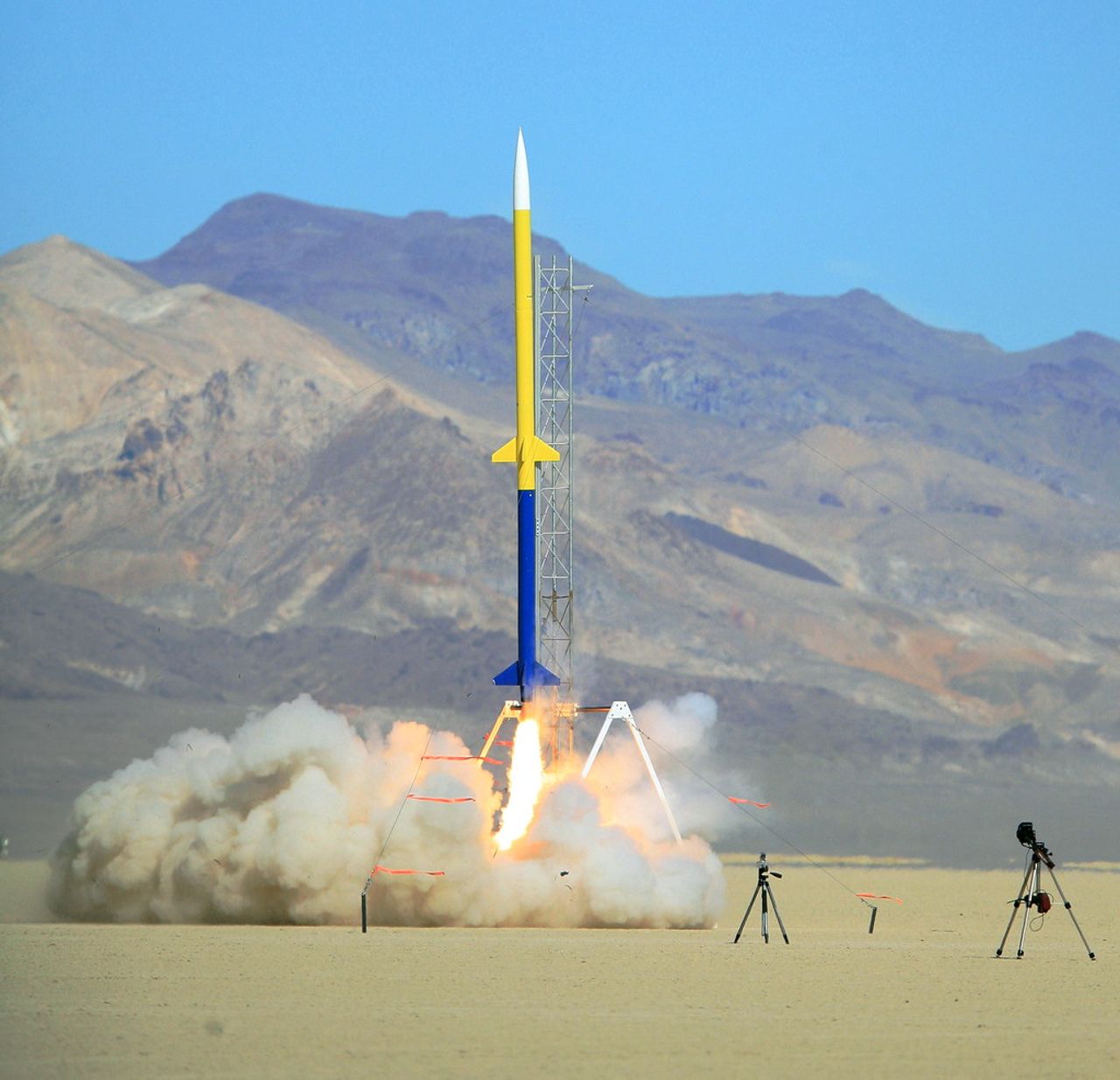
SpaceX captured its Starship upper-stage vehicle using its launch tower arms for the first time during Flight 15, having previously demonstrated the maneuver only on boosters. Mastering recovery of the orbital spacecraft itself—not just the first-stage booster—crosses the final engineering threshold toward airline-like rocket reusability.
Historically, upper stages have been the ultimate sunk cost in aerospace, burning up on reentry or requiring expensive refurbishment after ocean splashdowns. Catching the spacecraft directly at the launch site compresses turnaround cycles and fundamentally alters the marginal cost of putting mass into orbit. Globally, this threatens to render partially reusable or expendable architectures economically uncompetitive for heavy-lift commercial contracts. Simultaneously, plummeting launch costs unlock capital-intensive orbital business models—from hyperscale low-Earth-orbit communication constellations to in-space manufacturing and orbital edge-computing nodes—shifting competitive advantage from launch access to orbital payload monetization.
For Japan’s aerospace sector, this milestone exposes a widening structural gap between state-led reliability programs and iterative, software-defined hardware engineering. Domestic heavy-lift initiatives designed around expendable paradigms face acute commercial pricing pressure, meaning Japanese aerospace contractors and startups should pivot away from competing on bulk launch pricing and toward high-margin payload components, optical communications, and orbital robotics.
Beyond aerospace manufacturing, cheaper orbital deployment directly impacts Japanese enterprise IT and major System Integrators (SIers). As satellite broadband and high-frequency Earth-observation networks scale rapidly atop low-cost Starship launches, SIers have a clear mandate to integrate resilient satellite connectivity and real-time geospatial data streams into domestic enterprise architectures. For disaster-prone Japan, redundant non-terrestrial networks are moving from niche government backups to standard business-continuity infrastructure. Local engineering teams and enterprise architects who build automated pipelines to ingest and act on orbital telemetry—enhancing logistics, maritime tracking, and automated infrastructure inspection—will capture the downstream value created by SpaceX's hardware breakthrough.