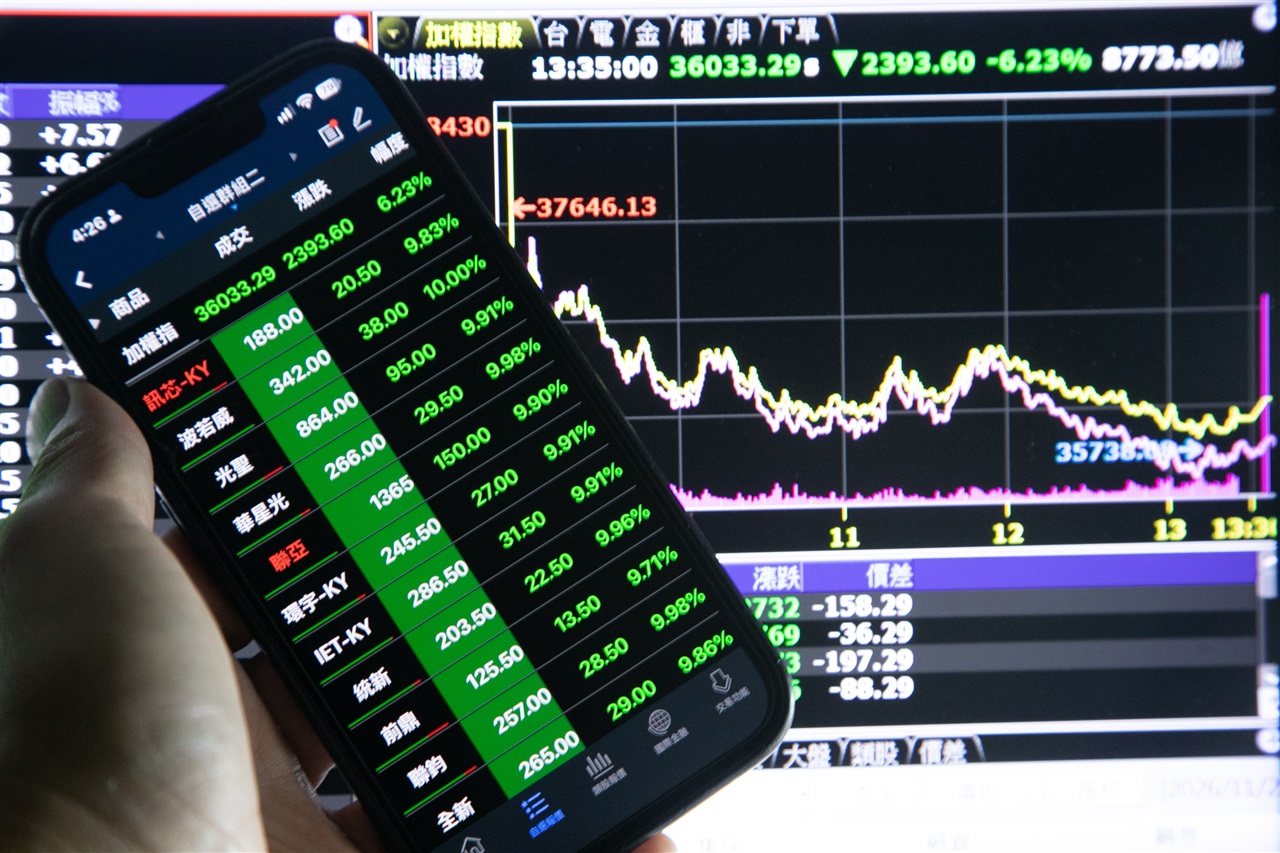
Taiwan’s Taiex dropped 6.23%, while TSMC, MediaTek and Delta Electronics also fell, even as AI suppliers reported steady orders. The move followed a record Anthropic IPO that did not restore broader market confidence.
That divergence is the real story. An equity selloff alongside intact orders suggests the market is repricing the quality, duration and convertibility of AI demand rather than declaring demand dead. Investors are asking whether today’s backlog becomes durable cash flow, or whether suppliers must keep expanding capacity and R&D faster than customers can absorb costs. An IPO that fails to lift sentiment reinforces that capital is becoming more selective: scale and technical ambition alone may no longer support prior assumptions about valuation.
For global operators, this creates a two-speed risk. Compute, networking and advanced manufacturing can remain strategically necessary while their earnings profiles become more cyclical. Customers may preserve AI budgets but shorten commitments, split workloads across vendors, or negotiate harder on capacity and pricing. Suppliers, in turn, may trim capex, delay hiring or prioritize the most defensible workloads, creating a feedback loop between market capitalization and physical supply without any immediate collapse in orders. The key measures are therefore not order momentum alone, but backlog quality, customer concentration, utilization, margin resilience and the time required to turn infrastructure spending into repeatable revenue.
For Japanese enterprises, the implication is not to freeze AI programs because Taiwan equities fell. It is to change procurement from a capacity bet into a resilience plan. Large buyers should model multiple compute and model paths, negotiate substitution and portability rights, and separate critical production workloads from experiments whose economics can change quickly. Boards and investors should distinguish exposure to semiconductor demand from exposure to AI-service profitability; the two can diverge sharply during a valuation reset.
Japanese SIers and RPA teams have an opening to sell that discipline. Rather than anchoring projects to one accelerator, model or cloud, they can build architecture-neutral layers for workload routing, cost monitoring, evaluation, access control and fallback operation. Development teams should make unit economics visible at the application level and design for model replacement before deployment. That shifts the question from how much AI an organization can buy to which processes create durable value under multiple supply and pricing scenarios.




