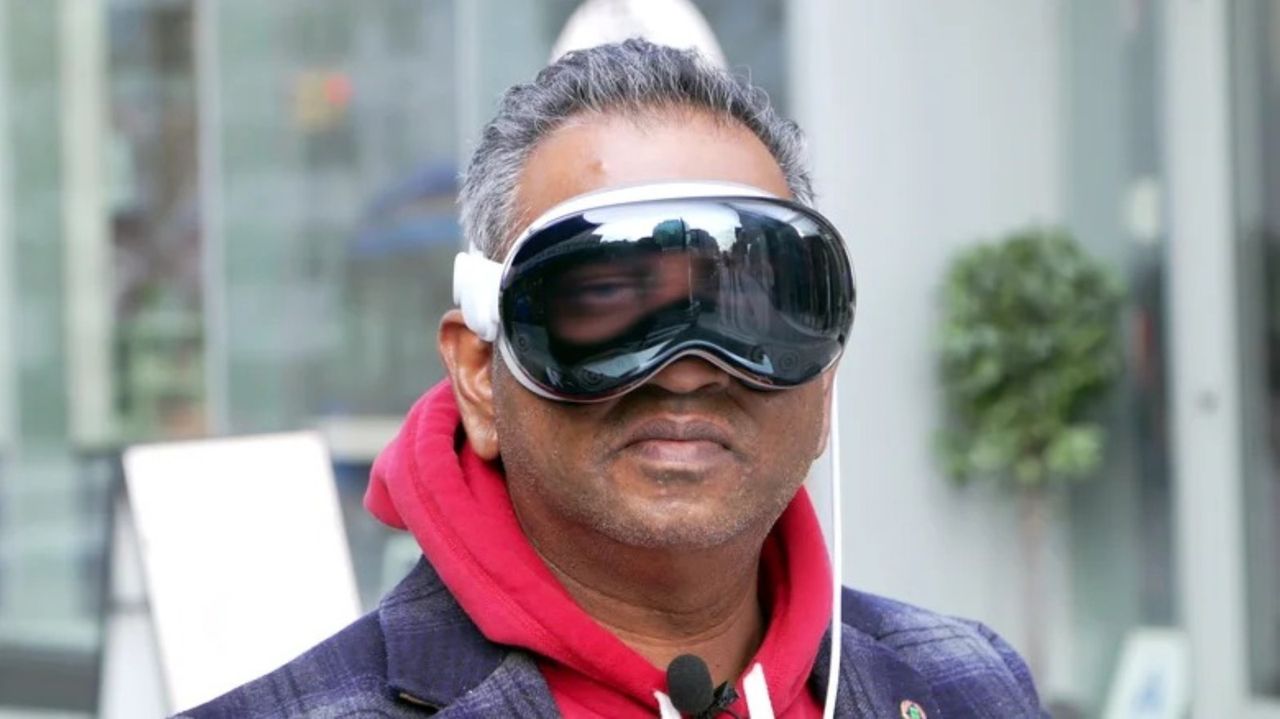
Apple Vision Pro has struggled to sustain the momentum of its debut. For the global headset market, the strategic risk is confusing technical sophistication with a recurring reason to wear a device. Competition extends beyond Meta's VR headsets to the screens users already have. A premium headset needs to make a task materially easier, not merely more immersive; otherwise, it remains vulnerable to deferred purchases and weak software demand.
That creates a coordination problem for platform owners and developers. Businesses hesitate to buy hardware without useful applications, while developers need paying customers to justify device-specific work. Enterprise use can offer a route through that impasse, but only where spatial interaction changes an outcome: examining a complex design, rehearsing a difficult procedure or guiding a remote inspection. Investors should look for repeat usage and expansion beyond pilots, rather than treat demonstration quality as evidence of a durable market.
For Japanese manufacturers and infrastructure operators, the practical question is which workflow warrants a headset instead of a conventional display. A pilot should test whether users find errors sooner, complete training more reliably or avoid unnecessary travel, while accounting for device management, content upkeep and user comfort. Where proprietary designs or facility imagery are involved, access controls and data handling belong in the business case from the outset. The opportunity is selective operational improvement, not a wholesale replacement of workplace screens.
Japanese SIers can capture value by connecting spatial interfaces to existing design assets, maintenance records and approval processes. RPA may help move records through legacy applications, but it does not establish why an immersive interface is needed. Local development teams should keep business logic and content reusable across devices, limiting dependence on a single headset's adoption curve. The more defensible offering is an integrated workflow with measurable outcomes; device resale and bespoke demonstrations alone leave suppliers exposed if customers do not renew or expand.




