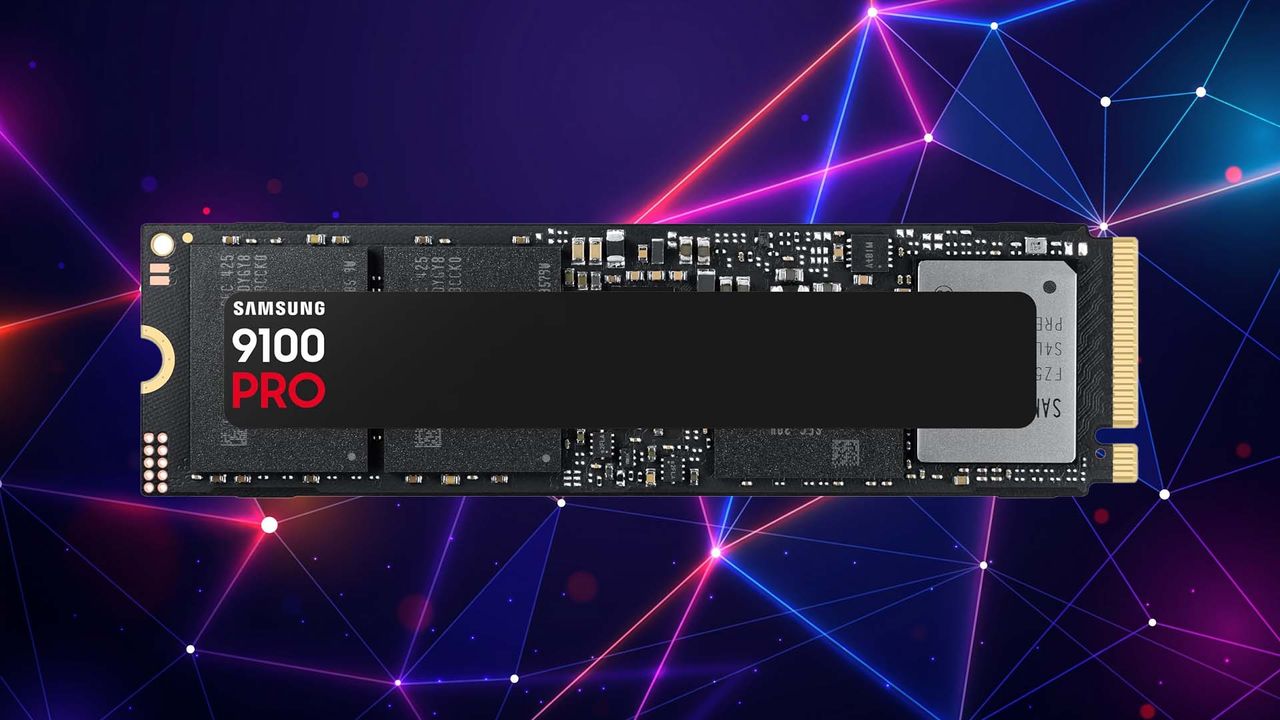
Samsung storage discounts on Amazon may lower workstation upgrade costs, but they do not establish a lasting decline in flash prices. For global buyers, a retail promotion is a purchasing opportunity rather than a reliable supply-cycle signal. The commercial risk is extrapolating consumer markdowns into enterprise budgets: qualified hardware, support and replacement commitments are separate costs that a discounted component does not remove.
The useful test is whether storage is constraining productive work. Faster local drives could shorten large file transfers, build-cache access or dataset staging; they will not necessarily accelerate jobs limited by processors, networks or remote services. Buyers should measure representative tasks and check interface compatibility, cooling and sustained performance before upgrading. Consumer storage also needs to be evaluated against the workload's endurance and data-protection requirements, not just its advertised speed. A cheaper component creates value only if it improves the economics of the system around it.
For Japanese enterprises and SIers, a global deal headline is not a local procurement quote. Domestic authorized-channel pricing should be compared with the full cost and support terms of any cross-border purchase. Currency conversion, tax treatment, regional warranty coverage and replacement availability can narrow an apparent saving. SIers should document the supported configuration before specifying a drive for a client: troubleshooting, requalification and responsibility for failures can outweigh a lower acquisition price. Standardizing an approved configuration may be worth more than capturing a temporary discount.
Japanese development teams can use a limited upgrade trial to establish whether storage is the actual bottleneck. Test builds and local data pipelines against current machines; for RPA, separate disk waits from delays imposed by application servers or web interfaces. Retain encryption, device-management and removable-media controls when adding portable drives. The likely business opportunity is selective workstation refreshes rather than indiscriminate fleet replacement. For SIers, validation and deployment services offer a more defensible proposition than competing solely on hardware resale prices.




