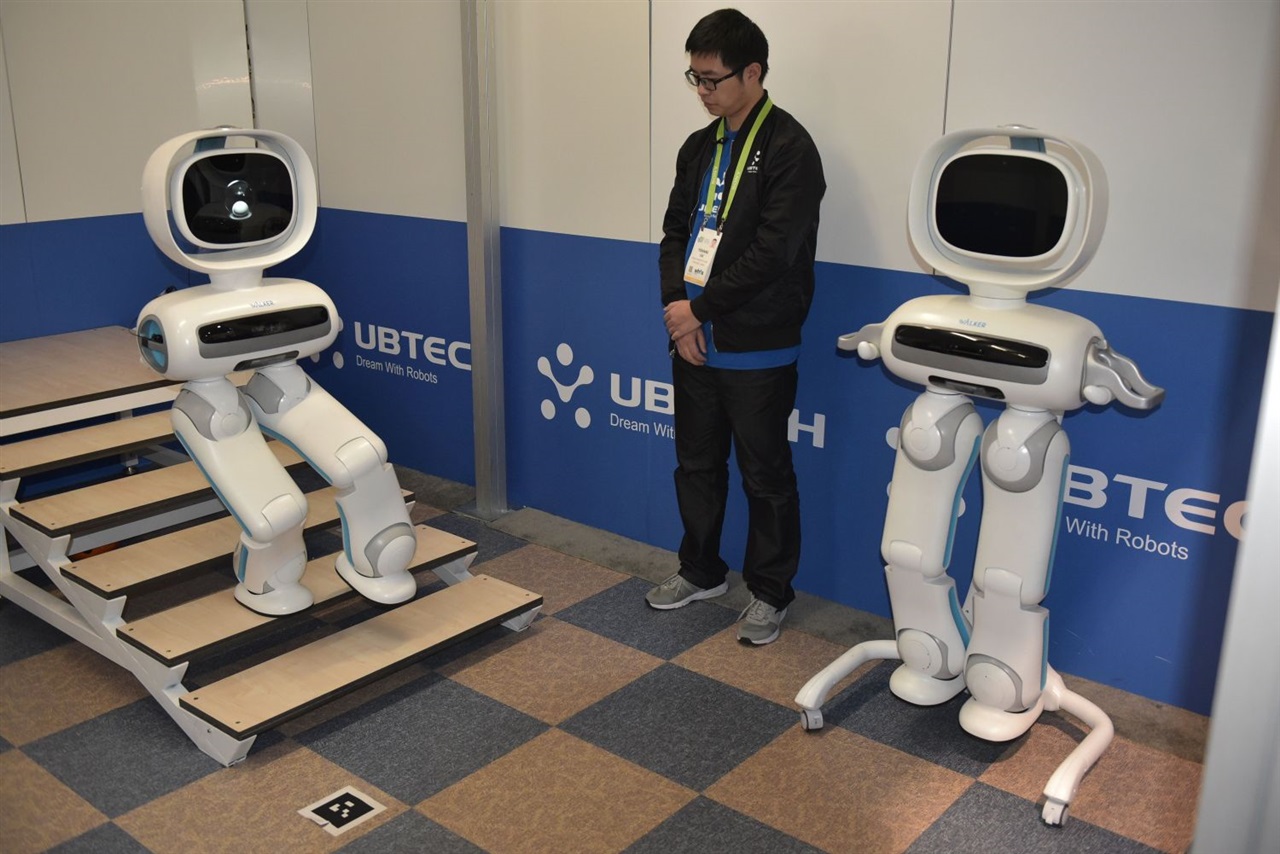
A single cease-and-desist to a startup staging a human-versus-humanoid bout looks like novelty news, but it marks the moment regulators collided with embodied AI in the physical world. Software AI has lived behind screens, governed loosely by content and data rules. A machine throwing punches next to a person is a different category of problem, and California's athletic commission reached for the only tool it had: combat-sports licensing. That is a telling improvisation. There is no body chartered to certify that a humanoid is safe to operate within arm's reach of the public, and startups have noticed the vacuum is excellent marketing.
The global pattern here is that spectacle is becoming the go-to distribution strategy for humanoid robotics. Fights, dances, and viral stunts generate the attention and investor narrative that quiet warehouse pilots never will. But each stunt also surfaces liability questions nobody has answered: who is responsible when a 60-kilogram actuator-driven machine injures a bystander, what insurance underwrites it, and which agency holds jurisdiction. Expect a wave of reactive, patchwork rules across jurisdictions over the next two years, which is the worst possible environment for companies trying to scale hardware across borders.
For Japan, this is more than a curiosity. Japan is one of the few societies that has deliberately moved robots into public and semi-public space, from service androids to care-support machines, driven by a shrinking labor force and an aging population. That head start means Japanese firms and their SIer partners will hit the human-proximity safety question sooner and at larger scale than most. The strategic opening is to treat certification, fail-safe design, and liability modeling as a product layer, not an afterthought. An SIer that can deliver a humanoid deployment with documented safety compliance, insurance structuring, and operational guardrails sells something far more durable than the robot itself.
There is also a defensive read for Japanese enterprises evaluating physical automation. The lesson is to separate the viral demo from the deployable system. RPA taught the market that automation value lives in reliability and governance, not in flashy proofs of concept, and embodied AI will repeat that curve with higher physical stakes. Procurement teams should press vendors on safety validation, remote-stop architecture, and clear liability allocation before signing. The companies that win the humanoid era will not be the ones that stage the best fight. They will be the ones that can prove, on paper and in court, that their machine is safe to stand beside.