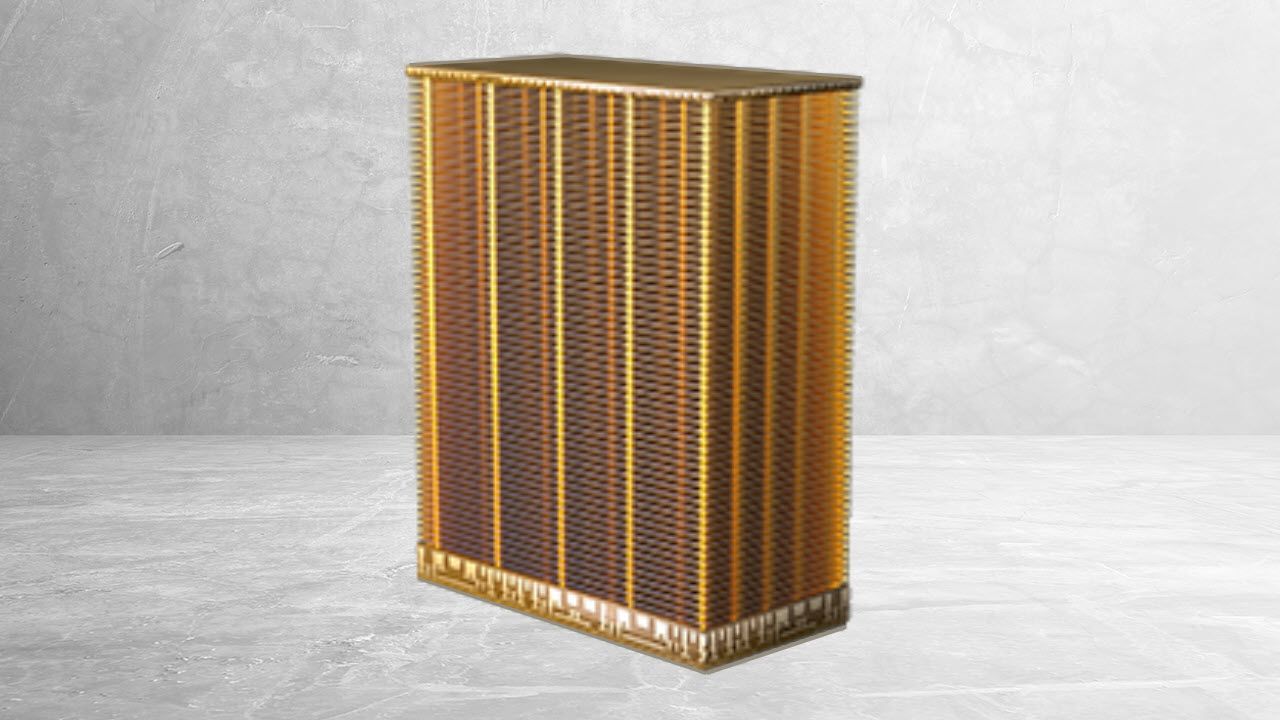
Micron's G11 node clears 400 layers with 42 Gb/mm2 density and a 5,400 MT/s interface, roughly doubling bit density over its current generation. The headline numbers matter less than the trajectory: NAND has shifted from a commodity-glut business to a strategic bottleneck for AI infrastructure, where inference caching, vector databases, and checkpoint storage are consuming flash at rates no one modeled two years ago. Density gains at this scale lower cost-per-bit faster than demand can absorb in consumer markets, but data-center QLC and emerging PLC drives are the real prize. Whoever ships the densest, fastest NAND first captures the hyperscaler design wins that lock in multi-year volume.
Globally, this tightens an already concentrated market. The practical effect is pricing power concentrated among a handful of vendors who can fund 400-plus-layer fabs, and a widening gap between those who can and those who cannot. Interface speed jumping toward 5,400 MT/s also pressures controller and PCIe roadmaps, meaning the whole SSD stack re-prices around the leading node. Buyers planning 2026-2027 AI storage tiers should expect capacity, not cost, to be the binding constraint.
For Japan, the sharpest implication lands on Kioxia. As the one domestic NAND champion, freshly public and carrying heavy capex obligations, it now faces a direct density and speed benchmark it must answer or cede hyperscaler sockets. Kioxia's BiCS roadmap and its Yokkaichi and Kitakami fabs, co-invested with Western Digital, are the national counterweight, and Tokyo's economic-security push treats flash capacity as strategic. A Micron lead pressures Kioxia's margins precisely when it needs cash flow to fund its own layer-count leap.
For Japanese enterprises and SIers, the message is procurement discipline. Teams architecting AI platforms, on-prem RAG systems, or storage-heavy data lakes should model NAND supply volatility into their 2026 roadmaps rather than assuming steady price declines. SIers building for finance, manufacturing, and public-sector clients can differentiate by designing tiered storage that degrades gracefully under allocation squeezes, and by hedging across Kioxia and Micron rather than single-sourcing. The density race is good news for long-term capacity, but the near-term reality is a sellers' market that rewards planning over opportunism.




