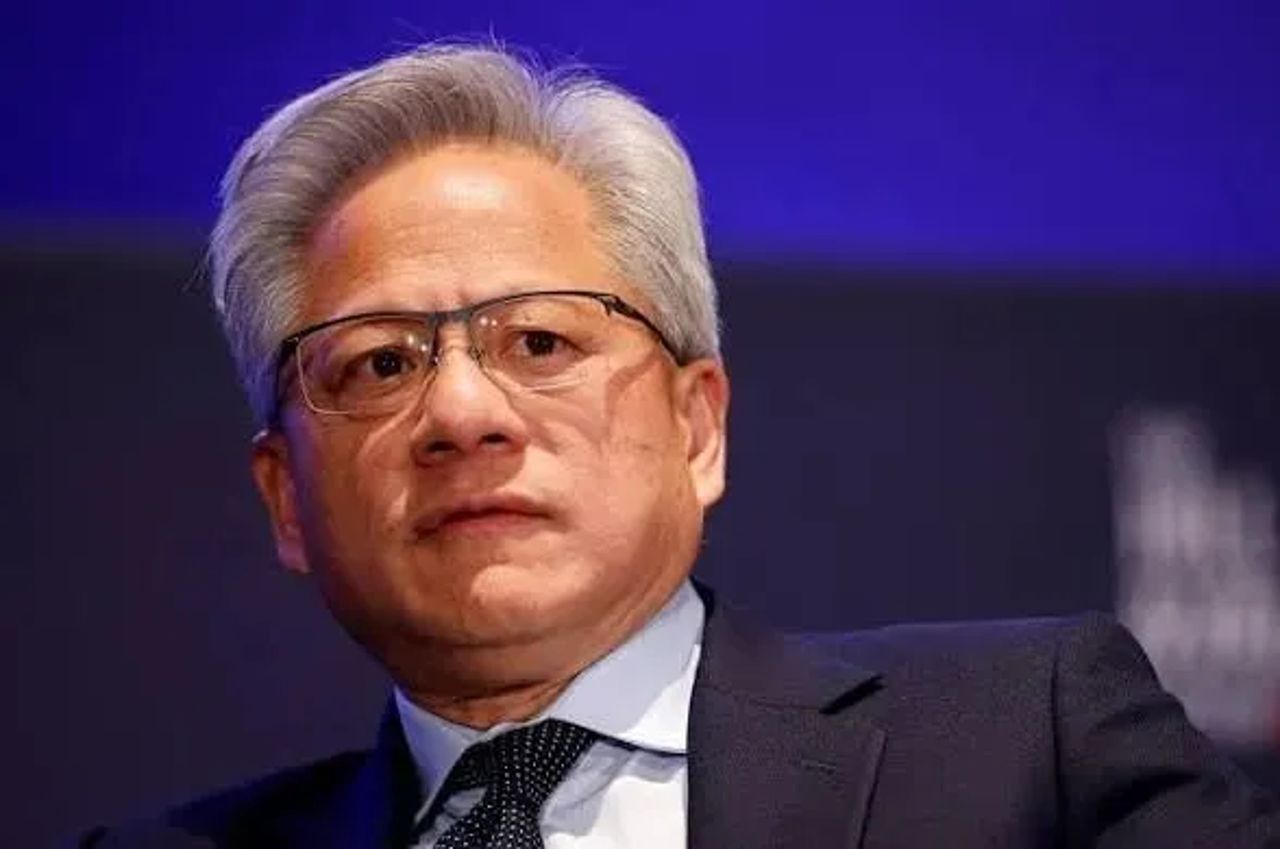
Jensen Huang has resigned immediately as Nvidia’s CEO, president, and board member following an independent probe into his relationship with a suspected Chinese intelligence operative, with CFO Colette Kress stepping in as interim CEO.
For over three decades, Nvidia operated with an unusually flat management structure designed specifically around Huang’s singular technical intuition and personal industry relationships. His sudden departure strips the US$4 trillion chipmaker of its chief architect and top statesperson at a perilous juncture. Elevating Kress offers Wall Street near-term financial discipline and operational continuity, yet an interim finance chief cannot easily replicate Huang's forceful ecosystem orchestration. Competitors—ranging from merchant silicon rivals to hyperscalers accelerating custom ASIC deployments—now sense a rare strategic opening. Without Huang personally locking in multi-year architectural commitments from cloud giants, enterprise buyers have fresh cover to diversify compute procurement and push back against Nvidia’s pricing leverage.
Compounding the succession vacuum is the acute national security dimension. With potential congressional scrutiny looming over suspected foreign intelligence ties, Nvidia faces intense regulatory friction in Washington. Export control waivers, sovereign AI partnerships, and defense-adjacent cloud contracts could all encounter heightened compliance bottlenecks. The immediate disruption of partner engagements in South Korea involving Samsung and SK memory suppliers underscores how swiftly governance crises spill over into physical HBM and packaging supply chains.
For Japan, the shockwaves hit directly at the heart of the nation’s sovereign AI buildout. Japanese telecommunications leaders, cloud providers, and government-backed compute initiatives leaned heavily on direct executive commitments from Huang to secure priority GPU allocations. Domestic System Integrators (SIers) currently constructing large-scale generative AI platforms and localized LLM infrastructure for risk-averse Japanese enterprises must now reassess hardware delivery timelines and geopolitical compliance exposure. In Tokyo’s corporate boardrooms, governance scandals carrying national security implications trigger immediate vendor risk reviews. Local IT architects and enterprise development teams can no longer treat single-vendor GPU roadmaps as an unshakeable foundation; building hardware-agnostic inference layers and multi-silicon cloud strategies just shifted from theoretical cost optimization to urgent operational risk management.




