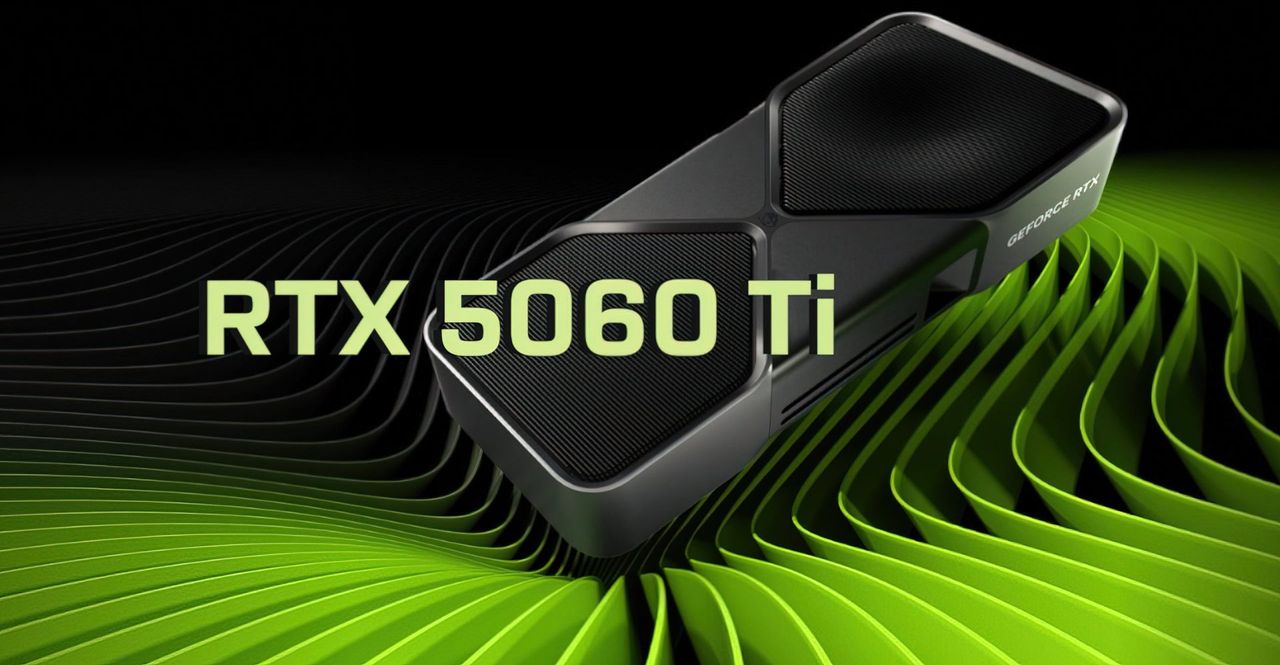
A graphics card that debuted around $429 now brushing $800 at a major US retailer is not a pricing quirk. It is the consumer-facing edge of a memory supply war that AI infrastructure is winning decisively. Hyperscaler appetite for HBM and high-density DRAM has pulled fabrication capacity and priority allocation toward data-center parts, leaving the GDDR memory that feeds gaming GPUs both scarcer and dearer. When Nvidia adjusts the GPU-plus-memory bundle price for board partners, the increase flows straight to shelf prices with little cushion in between.
The global implication is a structural, not seasonal, repricing of anything that consumes memory. GPUs are the visible casualty, but the same pressure is building across SSDs, servers, and handheld devices. For the PC ecosystem this compresses the mid-range, the volume tier that has historically driven adoption. If a $429 card becomes a $700-plus purchase, the practical floor for capable gaming and creator machines rises, upgrade cycles stretch, and demand quietly shifts toward consoles, cloud gaming, and used hardware. Vendors face a genuine dilemma: chase margin on scarce silicon or defend the mainstream that sustains their software and platform economics.
For Japan, the exposure runs deeper than gaming. The yen's weakness already inflates imported hardware, and a global memory squeeze stacks a second cost layer on top. Domestic PC brands and BTO builders that compete on value-for-money see their core proposition erode, while akihabara-style retail and the enthusiast segment absorb the sharpest sticker shock. Expect slower refresh in the consumer channel and more aggressive promotion of last-generation stock.
The more consequential story sits in enterprise IT and the SIer economy. Japanese system integrators standing up on-premise AI, VDI, and rendering infrastructure now budget against a moving target, where GPU and memory line items can swing materially between quote and delivery. Procurement teams should assume longer lead times, price-validity clauses that expire in weeks, and allocation risk on high-VRAM parts. That argues for locking hardware early, hedging with managed cloud GPU capacity, and designing workloads to tolerate mixed or older accelerators rather than assuming abundant, cheap silicon.
The strategic read for executives: memory has become the true bottleneck of the AI era, and its scarcity is now taxing every downstream market. Firms that treat GPU and DRAM sourcing as a supply-chain discipline, not a purchasing afterthought, will protect both project margins and delivery timelines while rivals absorb the volatility.




