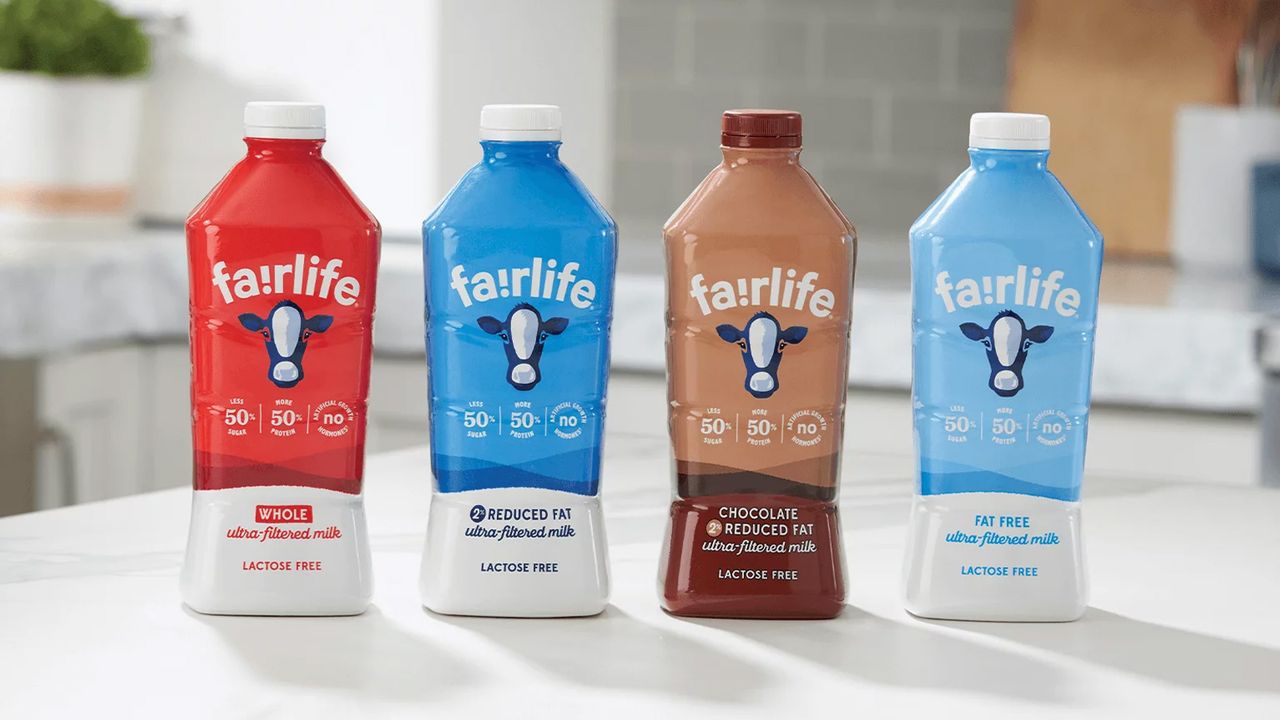
Coca-Cola confirmed a ransomware attack on its Fairlife dairy subsidiary forced a temporary halt to US production of the brand's ultra-filtered milk products. BleepingComputer and Engadget align on the core facts, though neither yet names the threat group or ties the outage to a specific encryption event versus a precautionary shutdown. That ambiguity is itself the story: manufacturers increasingly stop lines defensively the moment IT touches OT, because the cost of a contaminated batch or unsafe automation state dwarfs the ransom.
For global executives, this is another data point in a multi-year shift where ransomware's blast radius moved from back-office data to revenue-generating physical throughput. Food and beverage sits in a dangerous middle tier: less regulated than energy or finance, yet highly automated, perishable-inventory-driven, and unforgiving of downtime. A dairy line idle for days means spoiled raw milk, missed retail slots, and permanent shelf-share loss to rivals like Danone or private-label competitors who fill the gap instantly.
The strategic lesson is that production continuity, not data confidentiality, is now the primary loss driver. Boards should reframe cyber risk as an operations-resilience problem: segment IT from plant OT, pre-stage manual fallback procedures, and rehearse the decision to halt versus run degraded. Cyber-insurance underwriters are already repricing business-interruption coverage for manufacturers, and food producers with flat networks will face steeper premiums or exclusions.
Investors should watch second-order exposure. Consumer-staples multinationals carry sprawling subsidiary estates with uneven security maturity, and an acquired brand like Fairlife often runs legacy stacks the parent never fully hardened. The due-diligence takeaway: M&A cyber posture is now an integration liability, and conglomerates should treat every subsidiary plant as a potential single point of failure.
Recommended actions: mandate OT visibility and network segmentation across all subsidiaries, contractually require security baselines from suppliers and co-manufacturers, and quantify per-hour downtime cost per plant to prioritize hardening. For the sector broadly, expect regulators to eye critical-food-infrastructure designations, adding compliance overhead that favors well-capitalized incumbents over smaller producers.




