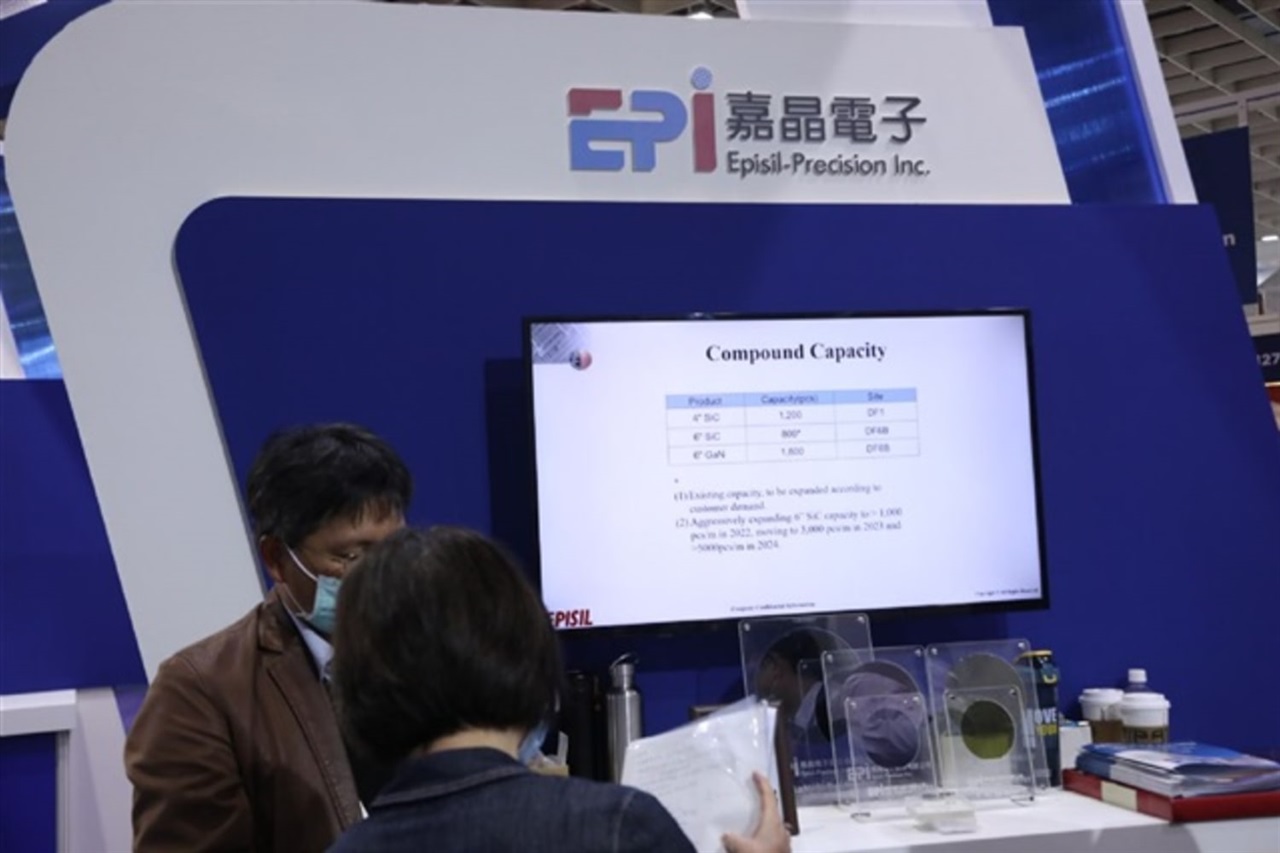
A fire struck the Innovation Plant of Taiwanese epitaxial wafer maker Episil on October 28, with equipment damage, the extent of the production halt, and the recovery schedule still being assessed. The timing matters more than the incident: several Episil products were already in short supply because downstream wafer-fab customers hold little internal buffer capacity to absorb a shock.
Epitaxial wafers are a quiet chokepoint. They sit upstream of power devices, analog ICs, and image sensors, and the specialized reactors that grow epi layers cannot be replaced in weeks. When a supplier running near full utilization loses tool capacity, the gap does not stay contained. Buyers compete for the same scarce output, lead times stretch, and spot pricing firms up across the segment. The global lesson from past fab and material-plant fires is consistent: a single-site disruption in a thin, specialized market produces price and allocation effects far larger than the physical damage suggests, because there is no idle capacity to reroute to.
The broader risk is concentration. Much of advanced epi and substrate processing clusters in a handful of Taiwanese and Japanese suppliers, so procurement teams that assumed diversification often discover they share the same upstream node. Expect customers to accelerate dual-sourcing qualification, lengthen their forward-order coverage, and quietly rebuild safety stock, moves that themselves tighten the market further in the near term.
For Japan, the exposure is direct. Japanese power-semiconductor and analog makers, along with automotive-grade device suppliers, depend on steady epi-wafer flows, and the country's own material giants compete in this very segment. A tighter global epi market pulls demand toward Japanese suppliers, a revenue opportunity, but also squeezes Japanese fabs and Tier-1 automotive buyers who need the same wafers. Procurement and SIer teams running supply-chain and MRP systems for manufacturers should treat this as a live planning input: revalidate upstream single points of failure, model longer epi lead times into production schedules, and confirm whether nominal second sources actually trace back to a different plant.
The practical near-term read: watch Episil's recovery timeline and its largest customers' allocation notices. If restart slips past the quarter, the pricing signal will reach power and sensor device buyers first, and Japanese automotive and industrial supply chains are among the most sensitive to that squeeze.




