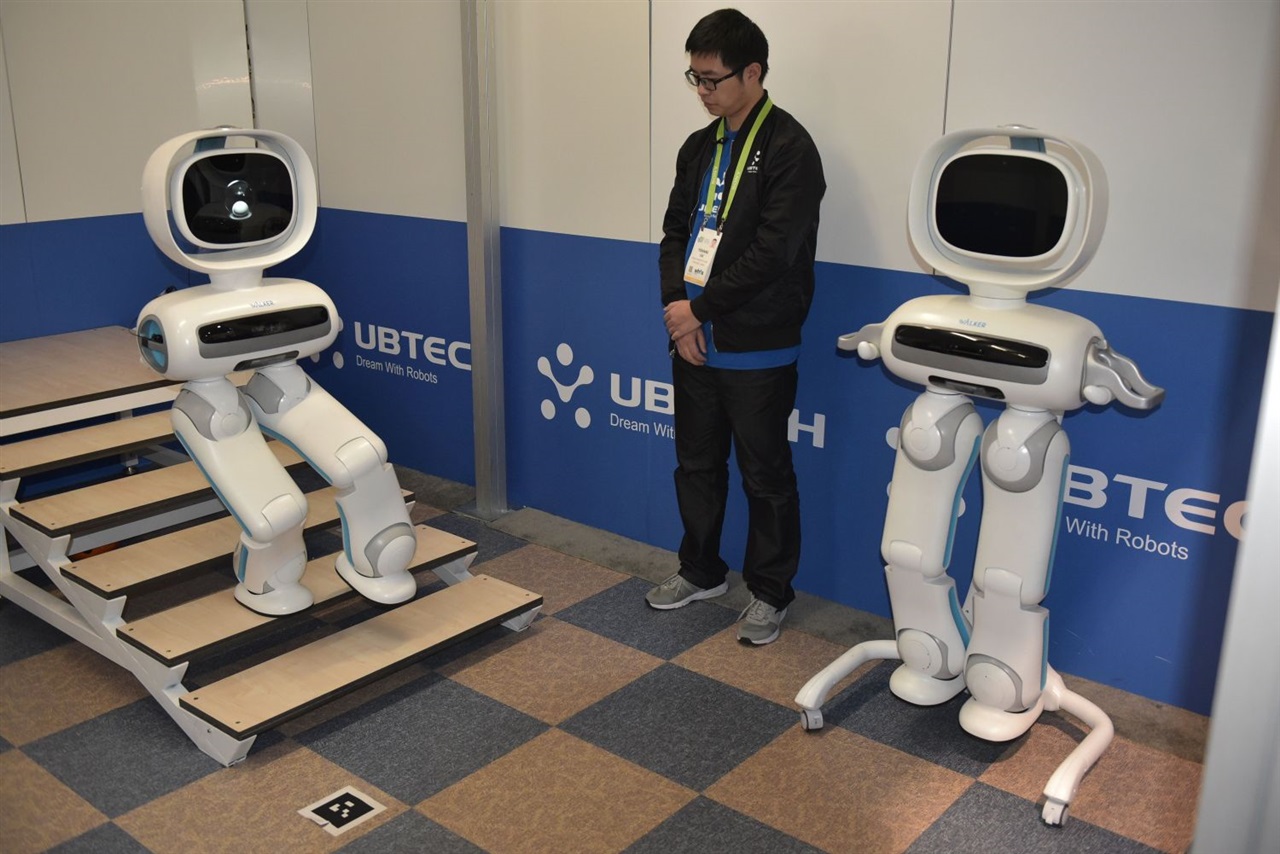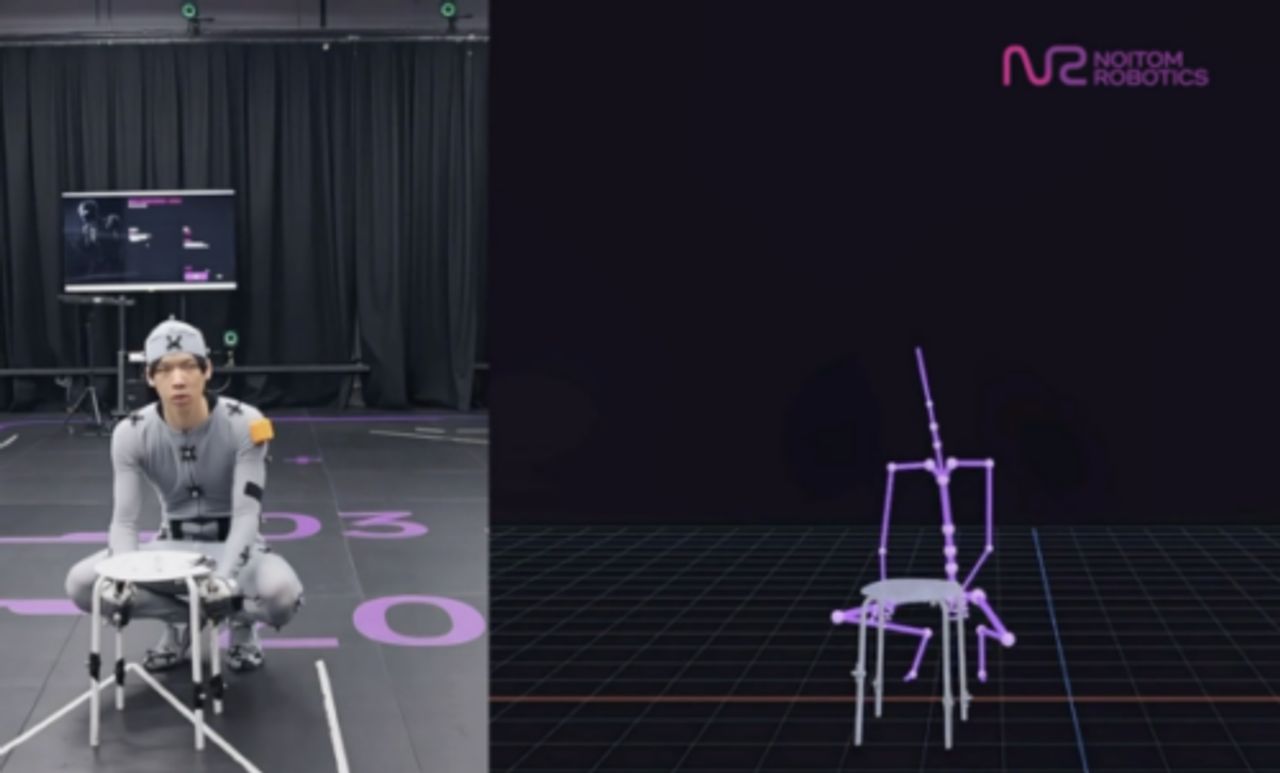
A new large-scale motion-capture dataset, HiPHI, targets the single hardest constraint in humanoid robotics: the shortage of high-precision data on how humans actually move and manipulate objects. Internet video is abundant but geometrically sloppy, and legacy motion libraries are too narrow to teach a robot to carry, push, or pull with real-world reliability.
The strategic signal here is bigger than one dataset. In language and image AI, the moat moved from architecture to compute. In Physical AI, it is moving to proprietary interaction data. Models can be copied and open-sourced within months, but synchronized whole-body motion paired with object trajectories and meshes is slow, expensive, and physical to collect. Whoever accumulates the richest libraries of grounded human-object interaction will set the pace, because reinforcement-learning policies improve with data scale and only cross the sim-to-real gap when that data is accurate enough to transfer onto hardware. Using a linguistic framework for action to structure collection is a tell: the field is realizing that coverage must be systematic, not opportunistic.
For Japan, this is both a natural advantage and a warning. The country owns an unmatched base of industrial robotics and precision hardware through firms like Fanuc, Yaskawa, Toyota, and Honda, and it faces acute labor shortages in logistics, elder care, and manufacturing that humanoids are meant to address. That demand is real and durable. But hardware leadership does not automatically translate into data leadership. If Japanese makers keep competing on actuators and reliability while US and Chinese players race to build interaction-data pipelines and the learning stacks on top, Japan risks supplying the bodies while others own the brains.
For SIers and enterprise IT teams, the implication is a shift in where value sits. Deploying humanoids will not be a procurement exercise; it will be a data-operations discipline. The integrators who win will be the ones who can capture task-specific interaction data inside a client's warehouse or production line, fine-tune policies against it, and manage the sim-to-real validation loop safely. This is a different muscle than the system-building and RPA work that defines today's SIer business, and it rewards firms that start building motion-data capture and robot-learning MLOps practices now rather than waiting for turnkey platforms. The companies treating data collection as core infrastructure, not a one-off cost, will define the next layer of automation.