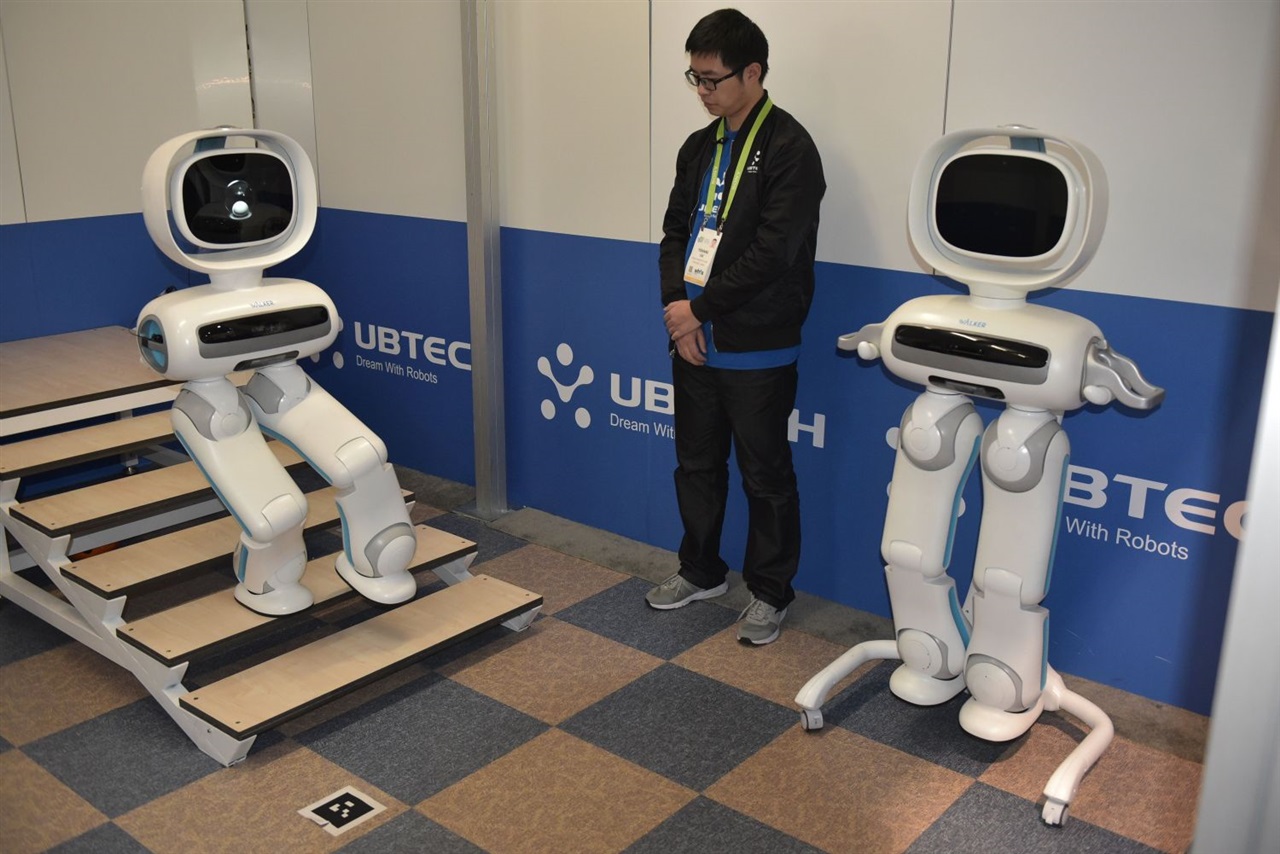
The fact is narrow: in October 2025 Noetix Robotics put a small humanoid called Bumi on sale for RMB9,998, roughly $1,400, pitched at individual buyers rather than research labs or corporate demos. The strategic signal is much wider.
That price point matters more than any spec sheet. For most of the past decade, humanoid form factors lived in the five- and six-figure range, which confined them to universities, showcase videos, and a handful of warehouse pilots. Pulling a bipedal robot down to consumer-electronics pricing changes who gets to experiment. It turns the humanoid from a capital purchase into an impulse one, and it hands developers, educators, and hobbyists a physical platform to build on. The parallel is early 3D printing or the first cheap drones: capability at launch was modest, but the install base and the tooling ecosystem compounded fast.
The mechanism behind the price is China's robotics supply chain. Actuators, reduction gears, batteries, and the maturing domestic motor-control and sensor stack now let a vendor hit a number that Western and Japanese builders struggle to match without importing the same components. Expect a familiar pattern: aggressive Chinese pricing sets a public reference point, margins compress, and the competitive question shifts from who has the most impressive demo to who controls the bill of materials and the software layer that makes the hardware useful. Cheap hardware alone is a toy; the value migrates to manipulation models, teleoperation, and the data these units generate in the field.
For Japan this cuts two ways. Japanese firms hold deep strength in precision actuation, reduction gears, and industrial-grade reliability, exactly the components a credible humanoid needs, and that is a genuine export position as global demand scales. The exposure is at the consumer and prosumer edge, where a RMB9,998 device builds developer mindshare and an app ecosystem before a premium, reliability-first product can reach market. The lesson Japanese robotics makers already learned in industrial arms applies again: competing on finished-unit price against Chinese volume is a losing game, so the defensible move is to own the high-reliability components and the integration layer.
For Japanese SIers and enterprise automation teams, the near-term read is sober. A cheap humanoid is not an RPA replacement or a warehouse solution on day one; it is a research and prototyping tool. The teams that benefit will treat these low-cost units as a way to learn embodied-AI integration, safety, and human-robot workflow design now, so that when capable units arrive at a credible enterprise price, the integration know-how is already in-house rather than outsourced to the hardware vendor.