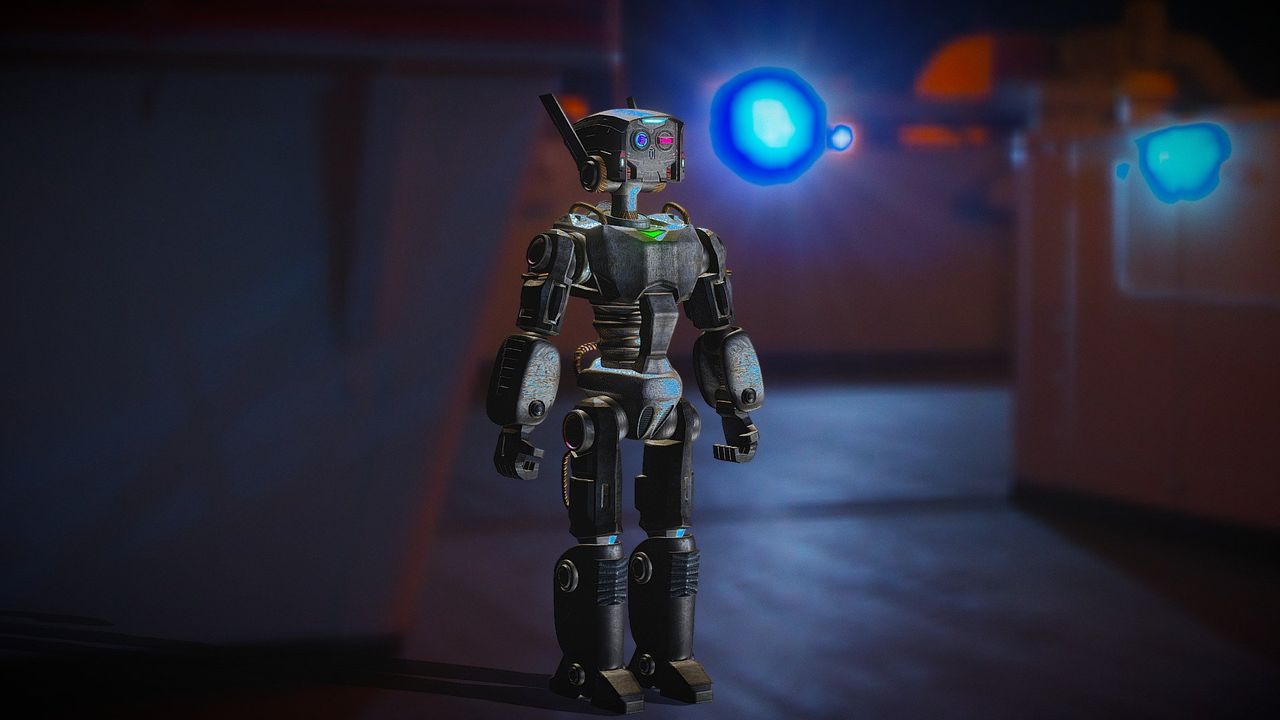
MoSense, a Shanghai company building full-body tactile sensing systems for robots, has raised around RMB 100 million in an angel-plus round led by CDH Investments and Oasis Capital, with LimX Dynamics, Loongson Venture Capital, CAS Star, Hua Capital and Pudong Venture Capital Group also participating.
The strategic signal matters more than the sum. Humanoid and general-purpose robotics investment has concentrated on locomotion, actuators, and foundation models for motor control. Touch has lagged. Yet dexterous manipulation, the capability that turns a walking demo into a machine that can actually work, depends on dense, reliable tactile feedback across the whole body, not just the fingertips. Capital flowing to electronic skin this early suggests investors now see sensing as the binding constraint on commercial utility. The investor mix reinforces the point: LimX Dynamics is a humanoid developer, so part of this round reads as a hardware platform locking in a sensing supplier before the component becomes scarce.
The open question is whether tactile skin becomes a standardized, commoditized layer or a proprietary moat. Full-body coverage implies thousands of sensing points, hard problems in wiring, durability, signal processing, and cost per unit area. Whoever solves manufacturability at scale, rather than lab-grade accuracy, captures the category. That is a classic components-industry dynamic, and China's robotics supply chain is positioning to own it, much as it did with drone and EV components.
For Japanese companies, this is both a warning and an opening. Japan holds deep strength in industrial robotics, precision sensors, and materials science, exactly the disciplines electronic skin draws on. But Japanese robotics has historically led in controlled factory automation while hesitating on open-ended, contact-rich manipulation. If tactile sensing standardizes around Chinese suppliers, Japanese humanoid and service-robot efforts risk depending on imported components for a core capability, repeating the pattern seen in batteries and display panels.
For SIers and enterprise automation teams, the near-term takeaway is to watch the sensing layer when scoping robotics deployments. RPA automated screens; the next wave automates physical handling in logistics, assembly, and elder care, where Japan's labor shortage is acute. Integrators should treat tactile-sensing maturity, not just arm reach or payload, as a procurement criterion, and build evaluation capacity now rather than after the hardware standards harden abroad.




