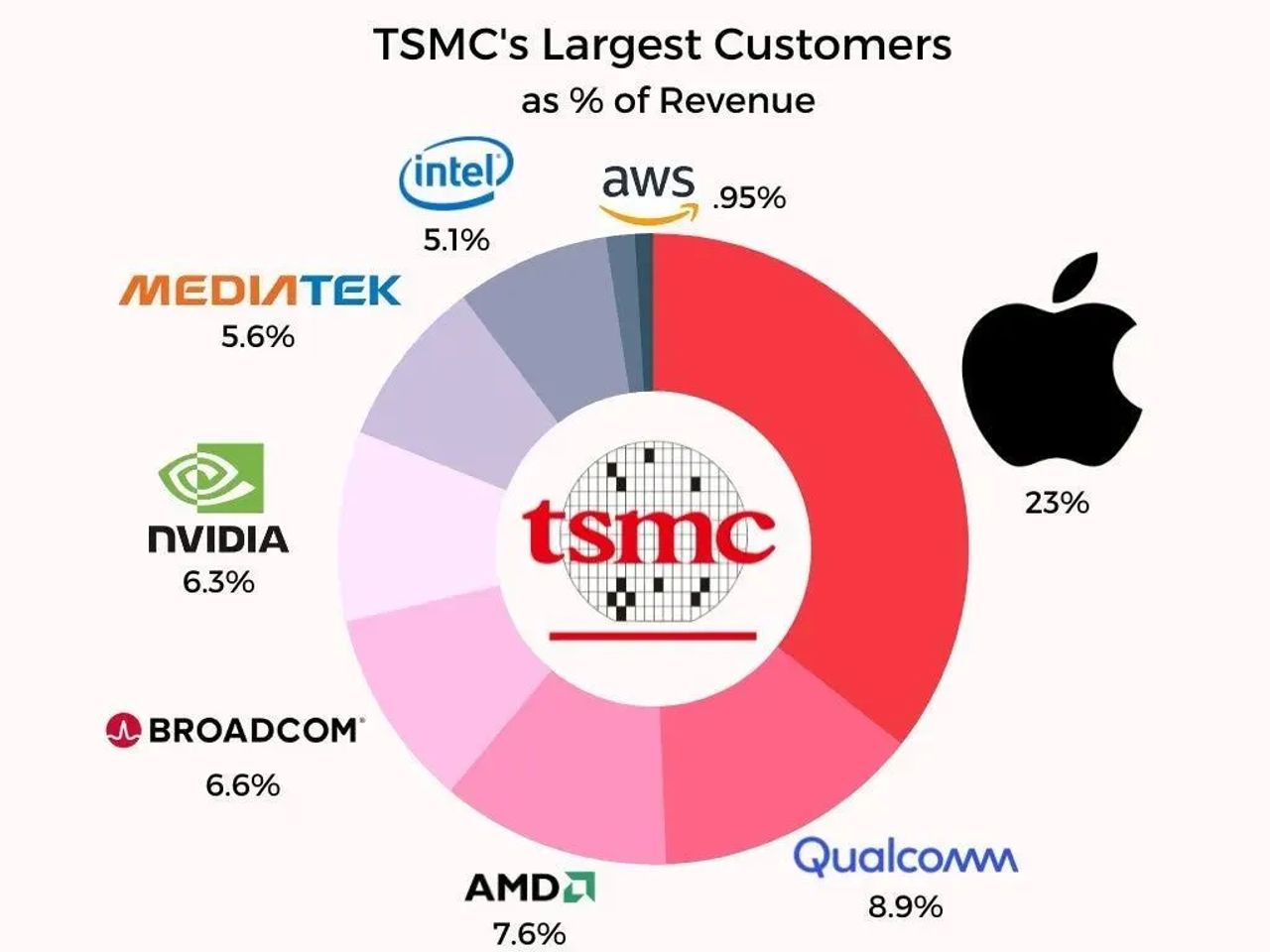
TSMC plans a $500 million venture arm to back device startups, suppliers and customers, extending investment into its ecosystem. That matters because, as the US and allies coordinate safeguards against China-related risks in AI supply chains, capital becomes a way to shape trusted production networks before bottlenecks appear. TSMC can gain earlier visibility into new architectures, component constraints and customer requirements, while portfolio companies could gain access to a manufacturing ecosystem. Investment decisions will therefore be judged on ownership, technology-transfer and geographic-risk implications as well as financial return.
That model creates a trade-off. It can speed qualification and diversify supply, but startups may become dependent on one industrial platform and less attractive to buyers seeking neutrality. Investors and buyers will examine funding links, data flows, manufacturing routes and export eligibility alongside technical performance. Different trusted perimeters could mean duplicated qualification, slower launches and higher engineering costs. The initiative tests whether venture capital can improve resilience without adding concentration risk.
Japan’s opportunity is concrete. Semiconductor-materials, equipment, device and industrial-technology companies can use strategic investment to move from transactional supplier status toward earlier participation in platform decisions. Access will bring a higher evidence burden: firms should make ownership, data handling, cybersecurity, export-control governance and multi-site continuity easy for partners to audit. Large manufacturers should treat any strategic tie as one node in a diversified network, not a substitute for second sources or independent technology road maps.
For Japanese SIers and development teams, the shift is architectural as well as commercial. Systems handling design, factory or procurement data need auditable access controls, workload separation and replaceable interfaces, so a component, supplier or service can change when policy or ownership changes. RPA deserves the same scrutiny: unattended bots moving engineering or export-related records can create an invisible cross-border dependency. SIers that combine supply-chain mapping, compliance evidence and resilient system design will be positioned as trusted integrators; those selling only implementation capacity may face pressure as semiconductor customers demand risk ownership as well as delivery.




