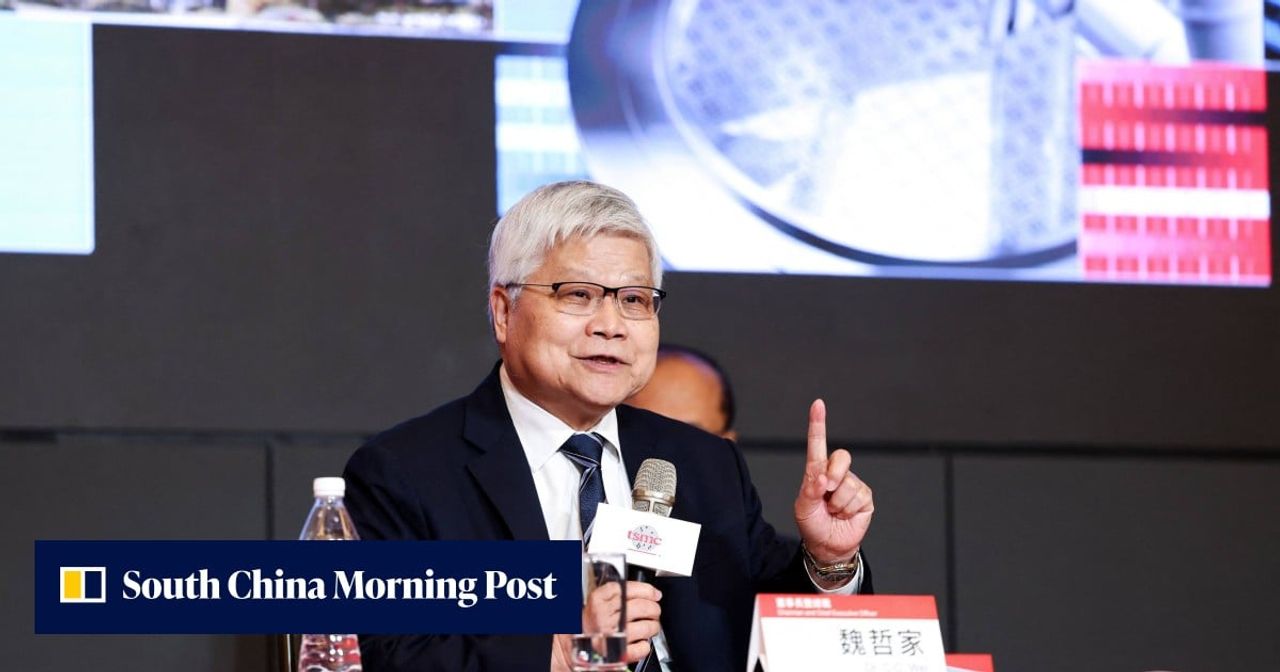
TSMC chairman C.C. Wei confirmed the foundry is weighing a role in Elon Musk's proposed "Terafab" in Texas, while making one condition non-negotiable: TSMC must run the plant. That single sentence carries more strategic weight than the headline number of any megafab.
The demand exposes an uncomfortable truth for every ambitious chip customer, Musk included. Leading-edge manufacturing is not a capital problem that can be solved by writing a large enough check. It is an accumulated discipline of process control, yield recovery, and defect engineering that TSMC has compounded over decades. Musk's instinct toward vertical integration, so effective in rockets and cars, hits a hard ceiling here. He can fund the building and anchor demand with Tesla and xAI silicon, but the economics only work if the party that owns the process also owns the operation. TSMC is signaling it will supply the capacity and the know-how, not hand over the recipe.
For the broader industry, this is a reminder that the AI buildout concentrates power at the foundry layer. As hyperscalers and now carmakers chase custom accelerators, they all funnel back to the same handful of fabs. A Texas Terafab would deepen US onshoring momentum and intensify the equipment arms race, but it does not dilute TSMC's leverage. If anything, each new partner-funded shell that TSMC operates extends its moat while offloading the balance-sheet risk onto someone else.
For Japan, the read-through is direct. TSMC's capex attention is finite, and every dollar pulled toward a Texas megafab is a dollar not deepening Kumamoto. The JASM project with Sony and Denso gave Japan a credible foothold, and Tokyo's subsidy strategy depends on TSMC continuing to prioritize the region. A sprawling US expansion raises the question of whether Japan's second and third fabs stay on schedule. The upside sits with Japanese equipment and materials suppliers, Tokyo Electron, Screen, Advantest, and the photoresist and wafer makers, who win regardless of which continent the fab lands on. Rapidus, meanwhile, gains a clearer strategic opening: if TSMC's leading edge is increasingly spoken for by US mega-customers, a credible domestic 2nm alternative becomes more valuable to Japanese fabless firms and automakers. SIers and enterprise architects planning AI infrastructure should treat advanced-node capacity as a contested, politically steered resource, not a commodity, and build procurement timelines that assume tighter allocation and longer lead times.




