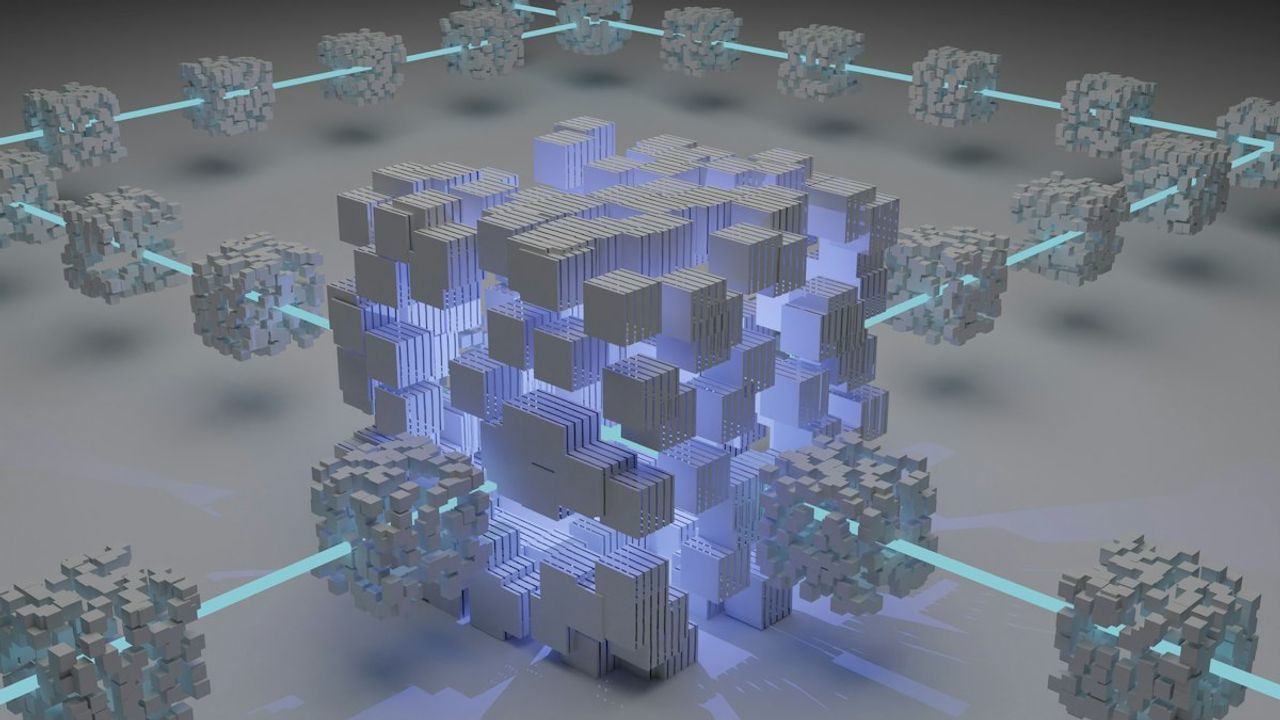
The fact is narrow: patent filings covering vertical transistors and integrated capacitors suggest TSMC is studying 3D DRAM architectures, raising the question of whether the dominant logic foundry could one day compete with memory incumbents.
The timing is what makes it matter. AI datacenter buildout has turned memory, not logic, into the binding constraint. High-bandwidth memory is sold out well into next year, and the diversion of wafer capacity and advanced packaging toward HBM is draining conventional DRAM supply. That scarcity is now visible in end markets: component prices are climbing, and the same demand wave that lifts memory is punishing firms seen as AI laggards, with roughly $12B wiped from the US government's Intel stake as the market repriced who captures the AI dividend and who pays for it.
A TSMC entry into DRAM would be structurally hard, and executives should discount the headline. Memory is a capital-intensive commodity business with yield economics and price cyclicality utterly unlike foundry's design-win model. But the patents point at a real inflection: planar DRAM scaling is stalling, and the industry's next move is vertical, mirroring NAND's earlier shift to 3D stacking. Whoever masters 3D DRAM process integration, logic foundries included, gains leverage over the most contested input in computing. That is the strategic signal, not an imminent product.
For Japan, the read-through is direct. Kioxia's 3D NAND expertise and Micron's Hiroshima DRAM operations place the country inside the vertical-memory transition, while Rapidus concentrates national attention on logic. The deeper exposure sits in equipment and materials, where Tokyo Electron, Advantest, Screen Holdings, and Lasertec supply the etch, test, and inspection tools that any 3D DRAM ramp will need, giving Japanese suppliers upside regardless of which chipmaker wins.
The near-term pain lands elsewhere. Japanese PC makers, enterprise hardware vendors, and the SIers that build on their platforms face rising memory bills that flow straight into server, workstation, and on-prem refresh quotes. Procurement teams planning 2025-2026 datacenter and cloud-migration budgets should model DRAM as a volatile, supply-constrained line item rather than a commodity that trends cheaper each year, and build that assumption into capacity planning now.




