Tesla built 451,758 vehicles and posted a 25% delivery jump in Q2, a clear rebound from a punishing 2025. But the headline number obscures the harder question: is this durable demand or a discount-fueled bounce?
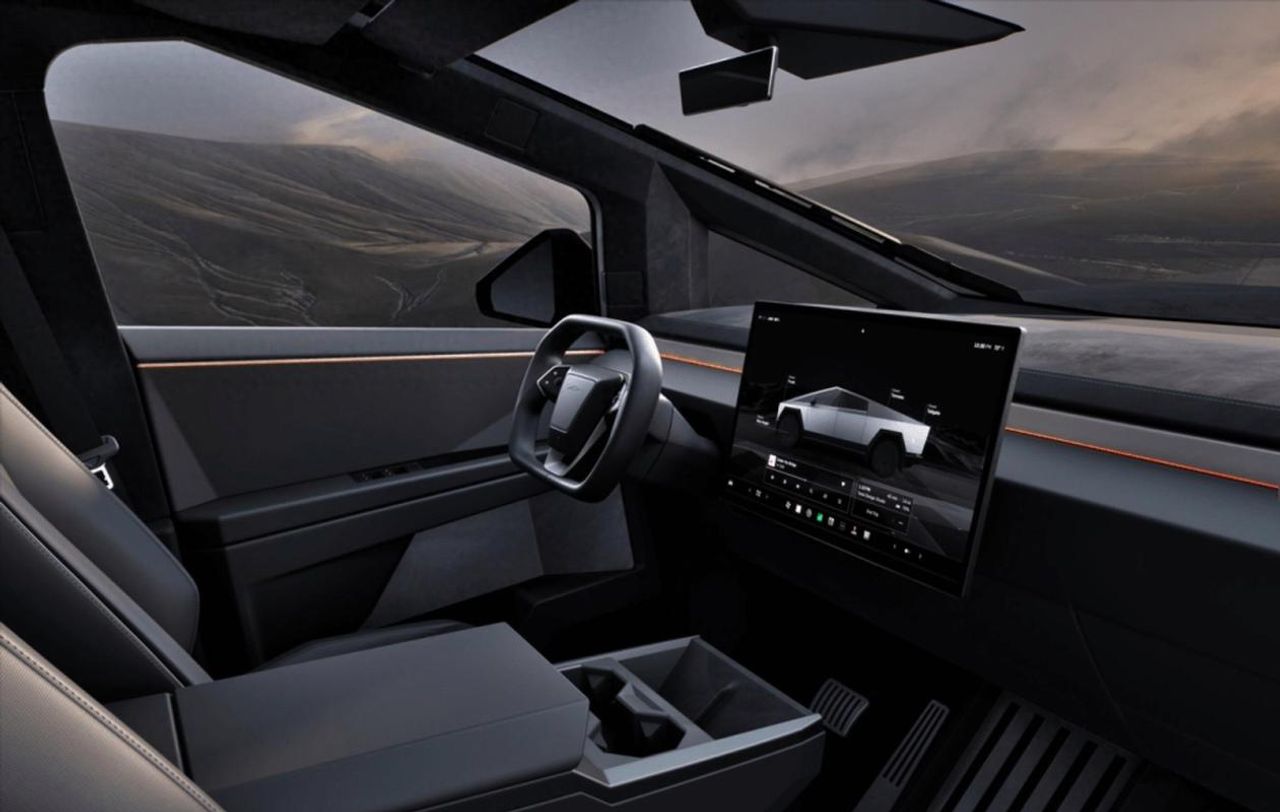
The composition matters. Roughly 443,000 units were Model 3 and Y—an aging duo carrying nearly the entire volume, with the Cybertruck and higher-margin lines contributing marginally. Growth engineered through incentives and financing sweeteners flatters units while compressing the margins that once made Tesla the industry's profitability outlier. Investors should watch average selling price and automotive gross margin far more closely than delivery counts. A volume recovery that erodes pricing power is a Pyrrhic one, especially as BYD, and increasingly legacy OEMs like Volkswagen and Hyundai, close the software and cost gap.
The strategic tension is that Musk has effectively told the market Tesla is no longer primarily a car company—it's an AI, autonomy, and robotics bet. That reframing raises the stakes on every quarter of core-auto softness, because the valuation now prices in optionality (robotaxi, Optimus, energy storage) rather than cars. The Austin robotaxi pilot remains geofenced and safety-monitor dependent; Waymo continues to operate at meaningfully larger commercial scale. If the auto business decelerates before autonomy monetizes, the narrative bridge collapses.
For global executives and suppliers, three implications stand out. First, EV demand is stabilizing but fragmenting by geography—China dominates cost, Europe tightens regulation, the US recalibrates subsidies. Second, Tesla's pivot to price competition pressures the entire Western EV supply chain, from battery makers to Tier-1s, to defend margins. Third, energy storage—Megapack and grid-scale deployment—is quietly becoming Tesla's most reliable growth vector and deserves more analyst attention than the robotaxi theater.
Recommended posture: treat this quarter as evidence of a floor, not a launchpad. Investors should stress-test the thesis against margin trajectory, not units. Competitors should exploit the window while Tesla's product cadence stalls, accelerating affordable-model launches. The recovery is real, but the strategic vulnerability—an aging lineup financing unproven moonshots—remains fully intact.




