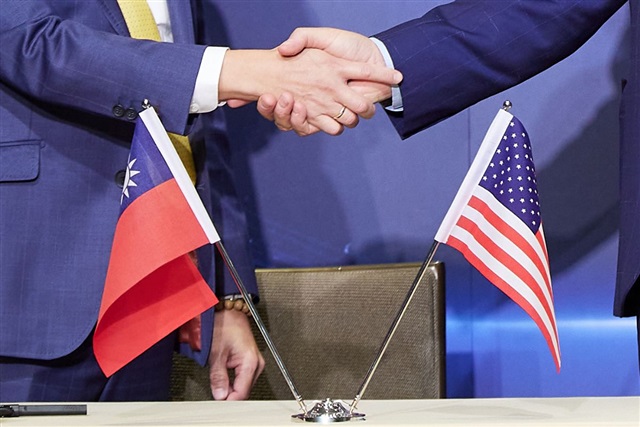
SEMICON West 2026 in San Francisco turned into a show of alignment: US officials and the equipment-and-materials ecosystem positioned Taiwan as indispensable to rebuilding domestic chip manufacturing, across capital, process technology, supply chains, and talent.
Strip away the diplomatic framing and the subtext is sharper. Washington can fund fabs with the CHIPS Act and tariff pressure, but it cannot legislate yield. The scarce asset is tacit process knowledge, the accumulated engineering judgment that lives inside Taiwanese fab teams and does not transfer cleanly onto a Phoenix construction site. 'Trusted partner' is really an admission that leading-edge manufacturing remains a relationship, not a product you can purchase. The strategic question for executives is not whether US capacity gets built, but how much of the margin-rich, hard-to-replicate IP migrates versus stays anchored in Asia. Expect a two-tier geography: advanced nodes and R&D clustered where talent density already exists, commoditized and defense-sensitive capacity reshored at a cost premium that customers ultimately absorb.
For Japan, this is both opening and warning. Japan sits on the parts of the stack the US cannot easily substitute: photoresists, silicon wafers, and specialty chemicals from a handful of domestic suppliers, plus deposition and inspection tooling from Tokyo Electron and peers. Every new US and Taiwanese fab deepens demand for exactly these inputs, which strengthens Japan's leverage regardless of where wafers are finished. TSMC's Kumamoto presence and Rapidus's 2nm ambition mean Japan is no longer just a supplier but a node in the trusted-partner network itself.
The risk is talent and capital gravity. If the center of mass tilts toward US buildout, Japanese fabs and Rapidus compete for the same scarce process engineers and the same equipment delivery slots. Japanese enterprises and the SIer ecosystem should read this as a signal to harden component sourcing assumptions now: lock multi-year materials agreements, model tariff and export-control scenarios into procurement, and treat geographic concentration as a board-level risk rather than a logistics footnote. The firms that map their silicon dependency two tiers deep, not just their direct chip vendors, will navigate the coming reshuffle with far less disruption.




