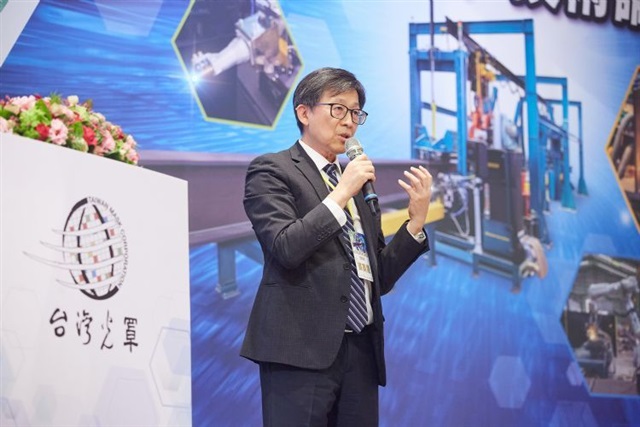
Taiwan Mask Corporation is paying roughly US$4.75 million for equipment-services firm TCK, pushing beyond photomasks into equipment assembly and engineering support inside Japan's Kyushu semiconductor belt.
The dollar figure is almost trivial; the strategic signal is not. For decades the global logic was that fabs cluster near their supply ecosystem. What is happening in Kyushu inverts that: the ecosystem is now chasing the fabs. As foreign and domestic capacity concentrates on the island, the second- and third-tier suppliers—mask makers, equipment integrators, calibration and field-engineering shops—are discovering they cannot serve a Japanese fab remotely. Uptime economics demand local hands, local inventory, and local response times measured in hours, not shipping lanes. Expect a steady drip of similar sub-$10M acquisitions as Taiwanese and Korean suppliers buy their way into proximity rather than build from zero. The real contest ahead is not wafers but talent: who controls the scarce pool of equipment engineers that keeps tools running.
For Japan, this is the maturation phase of its industrial-policy bet. Subsidies brought the anchor fabs; what determines whether Kyushu becomes a durable cluster or a subsidized island is exactly this layer of supply-chain density now forming. Inbound acquisitions import process discipline and tacit know-how that Japan's domestic base has thinned over two lost decades—a genuine upgrade, but also a dependency worth watching.
For Japanese firms and SIers the opening is concrete. A localizing chip ecosystem needs MES integration, traceability systems, predictive-maintenance tooling, and the OT/IT plumbing that connects fab-floor equipment to planning layers—work that plays to the strengths of regional SIers if they can staff it. The constraint is people. Kyushu's labor pool is finite, wages are being bid up, and incumbent SIers accustomed to enterprise IT must now learn manufacturing-adjacent engineering fast. Those that reposition toward semiconductor operations—and treat RPA and agentic automation as a way to stretch scarce engineers rather than replace them—capture the decade's best domestic growth corridor. Those that wait will watch Taiwanese and Korean entrants claim the integration layer first.




