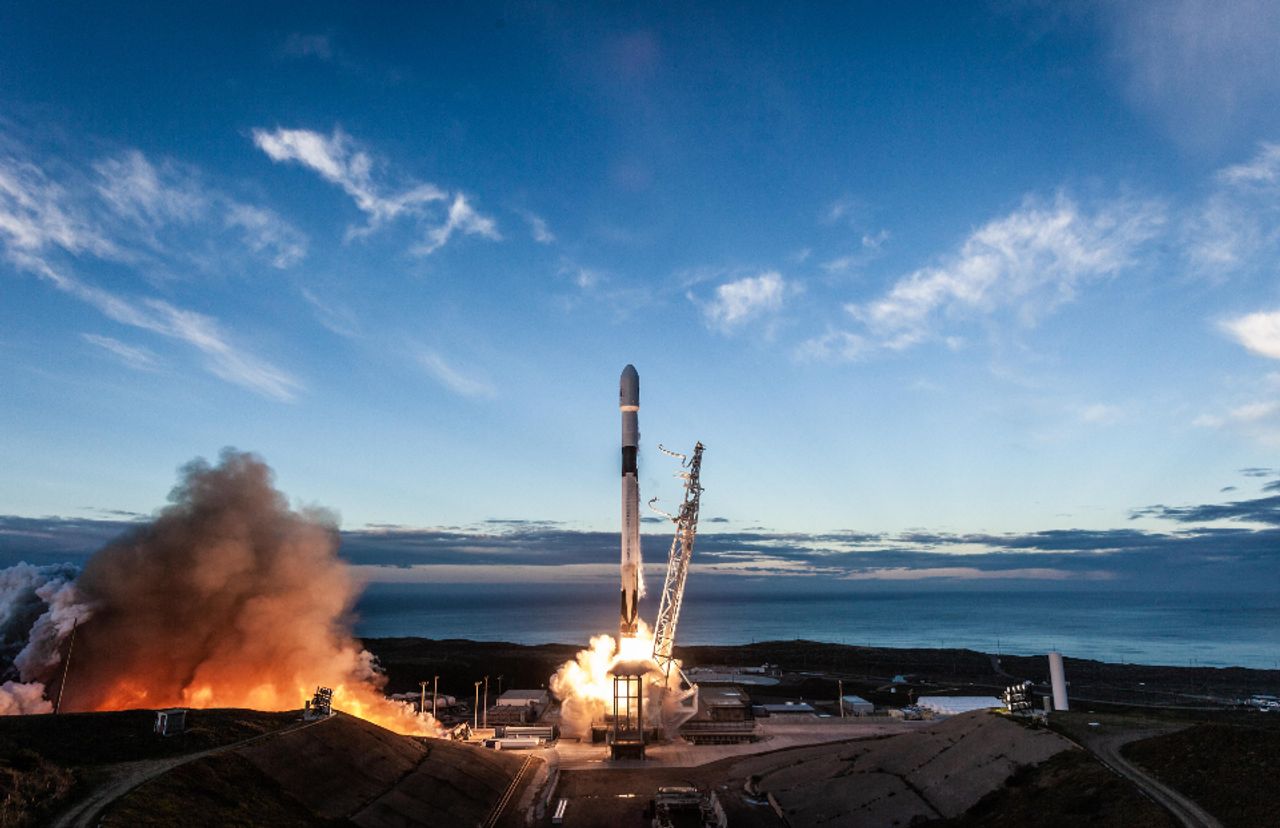
SpaceX's second Starship V3 flight cleared several test objectives yet again failed to cleanly relight its booster engines, the maneuver that underpins the vehicle's promise of rapid, full reusability.
The strategic read is not one bad burn. It is timing. Starlink's V3 satellites are heavier and higher-bandwidth, and their economics assume Starship's cost-per-kilogram, not Falcon 9's. Every quarter that full-stack reuse slips, SpaceX either throttles constellation refresh or absorbs margin pressure by leaning on a fleet designed for a smaller payload class. The gap between demonstrated capability and business-model assumption is where risk now lives.
For the wider market, the lesson executives should draw is concentration. A single provider still handles the majority of Western commercial mass to orbit. That dependency looked acceptable while cadence rose; it looks fragile the moment the next-generation vehicle hits repeated setbacks. Satellite operators, defense buyers, and cloud-connectivity players building on assured access are effectively long a single roadmap.
That is precisely why capital and governments are funding alternatives. New national and private launch entrants reaching orbit, Europe's push for sovereign lift, and Amazon's Kuiper scramble all point to a diversification premium. Redundancy is becoming a procurement requirement, not a hedge. Anduril-scale defense-tech valuations underline how much strategic weight now sits on autonomous space and launch capacity.
Recommended actions: constellation operators and telcos should contract secondary launch capacity now, even at a cost penalty, and build payload designs that tolerate more than one ride. Investors should treat Starship milestone slippage as the leading indicator for the entire smallsat and connectivity thesis, and watch relight and catch data more than launch counts. Expect the winners of the next 24 months to be the second and third viable heavy-lift providers, whoever they are, because the market is now paying for optionality.




