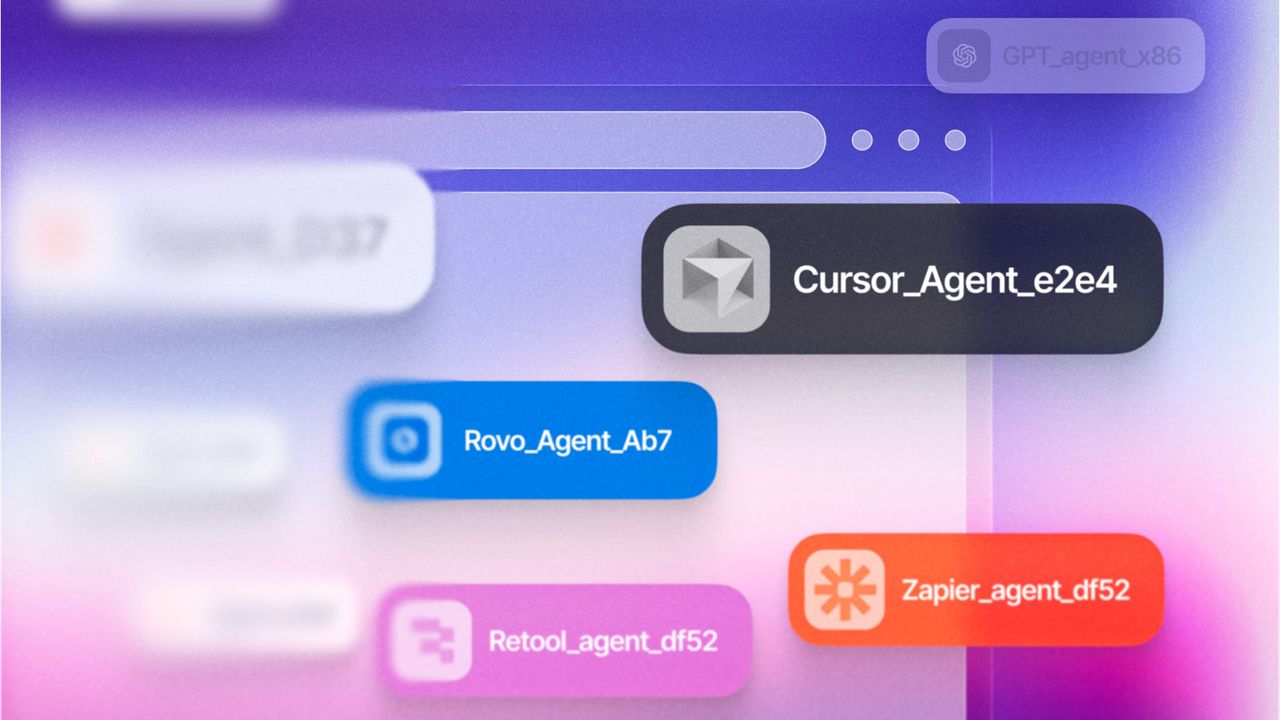
The rise of unsanctioned AI agents inside enterprises is the natural sequel to a decade of shadow IT and shadow SaaS—but with a dangerous twist. Where a rogue SaaS subscription merely stored data, an autonomous agent holds OAuth tokens, executes API calls, and can take irreversible actions across systems without a human in the loop. The attack surface is no longer static credentials; it is machine identities that act.
The scale problem is structural. Every employee using ChatGPT connectors, Copilot Studio, or a no-code agent builder can now spin up an entity with standing access to email, CRM, and code repositories. Most CISOs lack any inventory of these agents, let alone a policy for their permissions. Gartner and Okta data already show non-human identities outnumbering human ones by roughly 10-to-1 in cloud estates—agentic AI accelerates that ratio sharply, and each agent is a potential privilege-escalation vector.
Microsoft's launch of a dedicated AI security model and an agentic defense platform confirms the vendor race is on. Palo Alto Networks (via its Protect AI acquisition), CrowdStrike, Wiz, and startups like Nudge Security are all converging on agent discovery, identity governance, and runtime behavioral monitoring. The strategic tension: enterprises want autonomous agents for productivity, but the same autonomy that creates value makes containment hard. Defense is itself becoming agentic—AI watching AI.
For executives, three moves are urgent. First, build an agent inventory now—treat every AI integration as a machine identity requiring least-privilege scoping and expiry. Second, insist on human-approval gates for high-consequence actions (payments, data deletion, external comms) as a hard architectural constraint, not a policy suggestion. Third, evaluate agentic security tooling before deploying agentic productivity tools; the governance layer should precede the workload.
The firms that win will not be those that ban agents—that fails as surely as banning SaaS did—but those that instrument and govern them by default. Expect identity providers and security platforms to consolidate this category aggressively through 2026, making agent governance a board-level line item rather than an IT afterthought.




