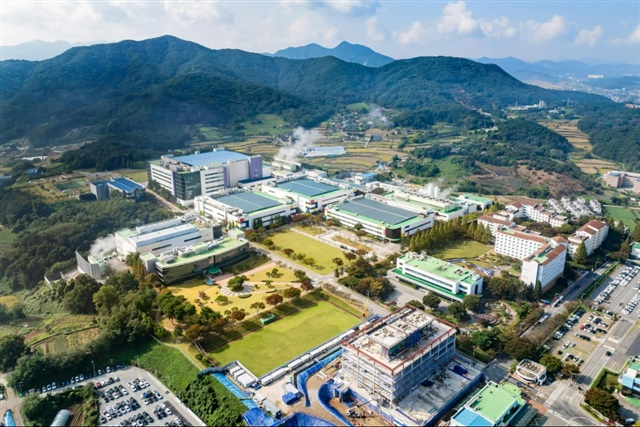
Samsung Electronics is accelerating the launch of its new South Korean high-bandwidth memory packaging facility by a full year to June 2028 to capture AI server demand. Yet this aggressive multi-year capital commitment arrives at a moment of growing divergence in global AI infrastructure sentiment. While memory makers are pouring capital into advanced packaging capacity to overcome current bottlenecks, downstream buyers and financiers are beginning to blink. SoftBank's mobile arm recently flagged the risk of a potential slowdown in US AI datacenter demand, echoing mounting skepticism from Citi and other financial institutions questioning the return on massive AI infrastructure buildouts.
This tension sets up a classic semiconductor cycle trap. Building cleanrooms and advanced packaging lines requires multi-year lead times, forcing chipmakers to commit capital based on current hyperscaler order books rather than verified end-user software monetization. For Samsung, pulling the schedule forward is a strategic necessity to close the competitive gap with SK Hynix and secure long-term supply agreements with major accelerator designers—even as leadership turmoil at Nvidia introduces fresh governance uncertainty across the Korean memory ecosystem. However, if hyperscaler capital expenditure moderates before 2028, the industry risks trading today's acute packaging shortage for a painful structural glut in premium memory.
For Japan's semiconductor supply chain, Samsung's accelerated timeline is a double-edged sword. Japanese back-end equipment manufacturers and specialty chemical suppliers—who hold critical leverage in molding compounds, temporary bonding materials, and precision dicing/grinding tools essential for stacking HBM dies—stand to see equipment and material orders pulled forward over the next several quarters. Yet Japanese executives must weigh SoftBank's warning carefully before expanding their own domestic production lines to match Korean memory makers' aggressive targets. Overcommitting manufacturing capacity to an overheated buildout cycle leaves Tier-1 suppliers vulnerable to sudden order deferrals.
Meanwhile, Japanese enterprises, cloud providers, and major SIers face a shifting procurement calculus. Domestic sovereign cloud initiatives—ironically led in part by SoftBank itself—have struggled with steep GPU server costs and prolonged hardware lead times driven by HBM packaging constraints. If upstream packaging expansions collide with cooling US datacenter appetite over the next two to three years, compute pricing power could finally swing back toward enterprise buyers. Japanese SIers architecting multi-year generative AI and automation roadmaps for conservative corporate clients should avoid locking into rigid, peak-priced long-term compute commitments today, building contractual flexibility to capture potential hardware deflation later in the decade.




