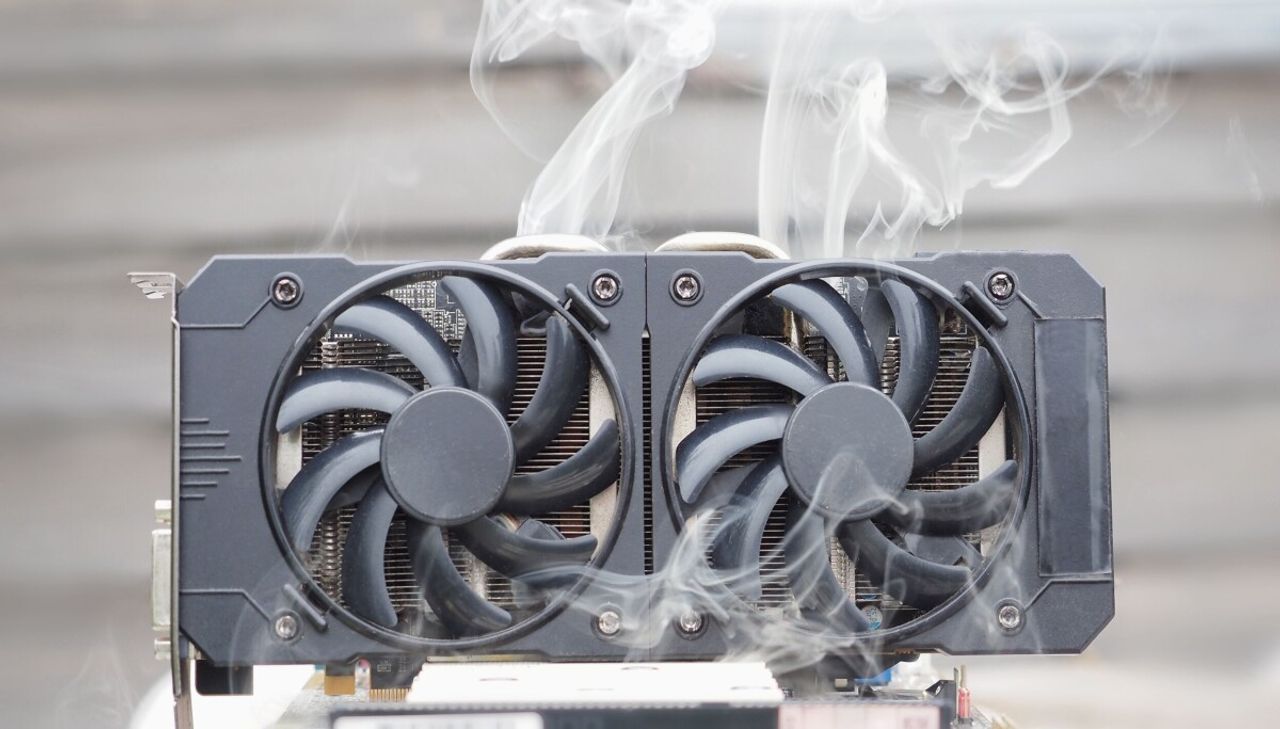
PyTorch 2.15 directs engineering effort at a problem that scales with ambition: in a job spread across thousands of accelerators, a single failing GPU can stall or crash the whole run, forcing a restart from the last checkpoint.
The economics explain why this moved up the priority list. Hardware failure is probabilistic, so the larger the cluster, the more often something breaks mid-run. At frontier scale, a crash that discards hours of synchronized compute burns money measured in rented accelerator-hours and pushes model delivery dates back. Resilience work converts that recurring loss into steadier throughput, which matters more to training cost than raw peak FLOPS. By treating fault tolerance as a framework responsibility rather than something each team patches on top, PyTorch shifts expectations for what a mature training stack should handle by default.
The competitive read is that the moat in AI infrastructure is moving from chip access toward the software that keeps expensive clusters productive. Cloud providers and framework maintainers who make large runs survivable without heroic operator intervention lower the real cost of training, and that becomes a selling point against rivals quoting only headline GPU pricing.
For Japanese enterprises and SIers, the implication is practical rather than aspirational. Most domestic teams do not run hyperscaler-sized clusters; they run mid-size GPU estates where losing a multi-day fine-tuning job to one bad card is a serious setback and operators are scarce. Built-in resilience reduces the specialized babysitting that these runs demand, lowering the staffing barrier for firms building or tuning models in-house.
SIers packaging AI platforms for Japanese clients should fold recovery behavior, checkpoint strategy, and failure handling into their reference architectures and SLAs, not leave them as tuning details discovered in production. As more Japanese manufacturers and financial institutions move from pilots toward sustained in-house training, the vendors who can promise predictable completion on imperfect hardware will win the infrastructure conversation over those competing on GPU count alone.