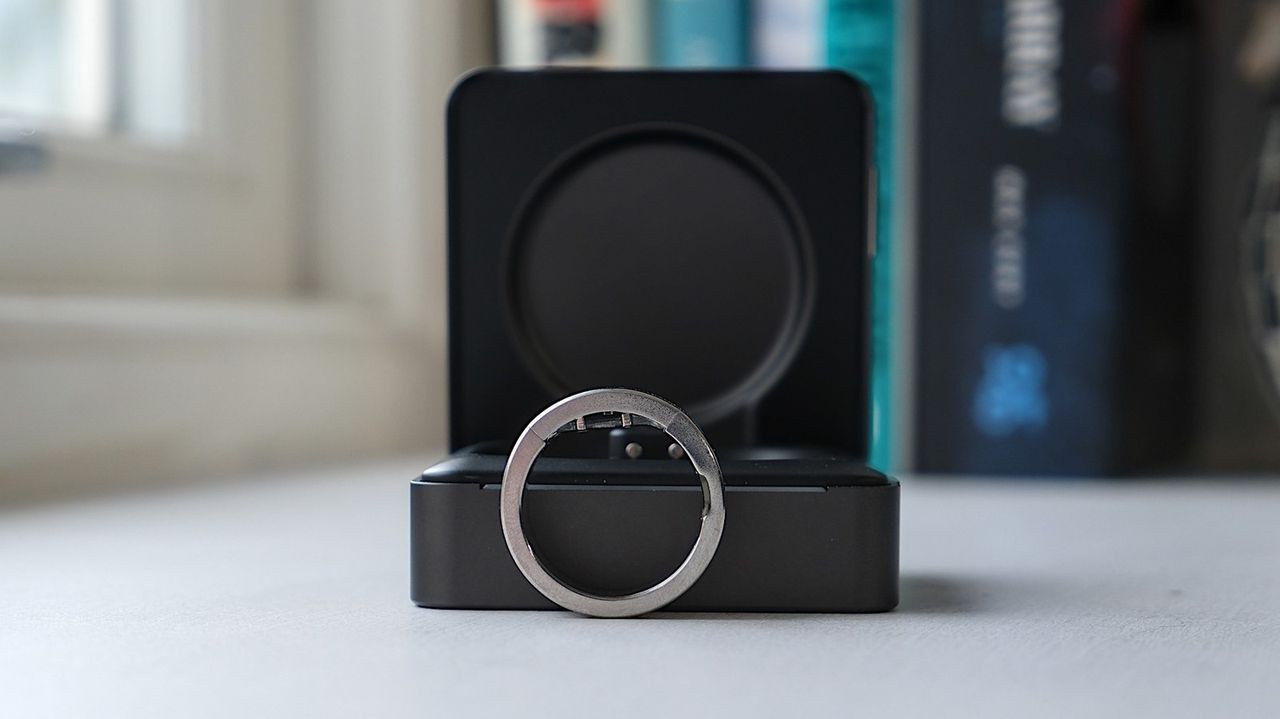
Oura has filed another suit against Ultrahuman in a Texas federal court, this time targeting the Ring Pro and seeking to block it from the US market. The legal venue and the demand for an import block matter more than the specific claims. Oura is treating litigation as a distribution weapon, not just a dispute over damages. For a category still measured in low single-digit millions of units, denying a rival access to the largest and highest-margin market can decide who survives the next funding cycle.
The global read is that the smart ring segment is entering its patent-thicket phase, the same stage wearables, smartphones, and fitness trackers passed through. Early movers with granted patents and ITC or district-court leverage can impose legal overhead on faster, cheaper challengers. Ultrahuman competes on price and subscription-free positioning, but repeated US actions force it to spend on counsel and contingency manufacturing rather than growth. Investors backing any hardware startup in biometrics should now price legal exposure as a core line item, not a footnote. Component makers and contract manufacturers also face uncertainty about which designs are safe to tool.
For Japanese electronics and health-device firms, the lesson is pointed. Companies like Sony, Casio, and a wave of healthtech startups have the sensor and miniaturization capability to build competitive rings, but Japan's traditional strength is engineering, not aggressive US patent strategy. Entering the American market without a defensible IP position or a cross-licensing partner invites exactly the kind of injunction Ultrahuman now faces. The practical move is to secure US patent coverage early, or to license into an incumbent's portfolio before shipping.
For Japanese SIers and enterprise teams building corporate wellness or occupational-health programs, the signal is supply-chain fragility. A device locked out of the US today can see manufacturing disrupted or roadmaps frozen tomorrow. Procurement should avoid single-vendor dependence on contested hardware, favor platforms with open data export, and write contract clauses covering device-availability failures. The underlying biometric data strategy matters more than any one ring brand, so architect wellness systems to be vendor-agnostic from the start.




