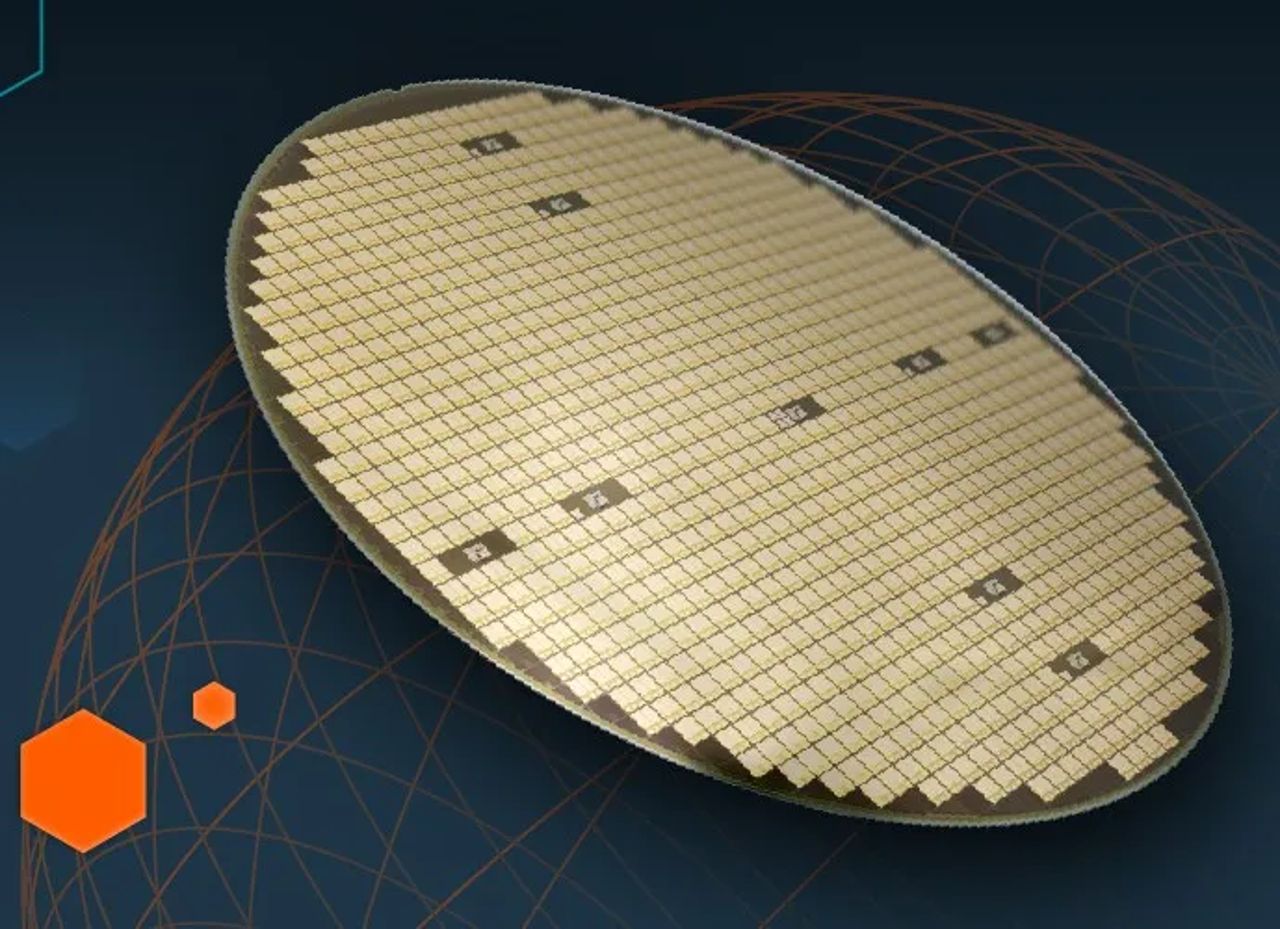
onsemi has introduced its fourth-generation EliteSiC M4 silicon carbide platform, projecting up to 30% higher power density and 35% lower energy losses compared to its prior architecture.
This generational leap arrives at a critical inflection point for the global power semiconductor market. While electric vehicle adoption trajectories have experienced regional volatility, the structural demand for high-efficiency power conversion is expanding rapidly into AI data center power supplies and grid-scale energy storage. By substantially cutting conduction and switching losses, next-generation SiC architectures allow hardware OEMs to shrink heatsink footprints, reduce passive component weight, and lower overall bill-of-materials costs at the system level. However, this rapid cadence of efficiency gains also accelerates commoditization for older planar designs. Chipmakers that lack vertically integrated substrate supply chains or struggle to transition to advanced trench or high-density architectures face severe margin compression, especially as aggressive pricing from Chinese wafer and device manufacturers reshapes the lower-to-mid tiers of the market.
For Japan, power semiconductors represent one of the nation's remaining pillars of global semiconductor leadership, anchored by industrial heavyweights like Rohm, Mitsubishi Electric, Fuji Electric, and Toshiba. onsemi's aggressive iteration directly challenges the technological and commercial moat these domestic players have long relied upon—and which Japanese government industrial policy has sought to fortify through targeted capital subsidies and domestic fab consolidations. Japanese automotive Tier-1 suppliers and OEMs, traditionally loyal to domestic keiretsu component networks, face growing pressure from global EV price competition to benchmark international SiC platforms purely on system-level cost-per-kilowatt. If foreign suppliers demonstrate decisive thermal and density advantages, Japanese automakers will be forced to diversify their inverter sourcing strategies faster than legacy domestic alliances might prefer.
Beyond the foundry floor, this shift carries notable implications for Japanese engineering teams, industrial equipment builders, and embedded systems integrators. Unlocking the full performance of high-density SiC modules is no longer purely a hardware problem; it requires sophisticated digital power control firmware, real-time thermal telemetry, and high-precision Electronic Design Automation (EDA) simulation to mitigate electromagnetic interference at higher switching frequencies. Japanese SIers and engineering service providers supporting automotive and factory automation clients have a clear opening to modernize legacy hardware-first workflows by deploying model-based design and digital twin environments tailored for next-generation wide-bandgap power architectures.




