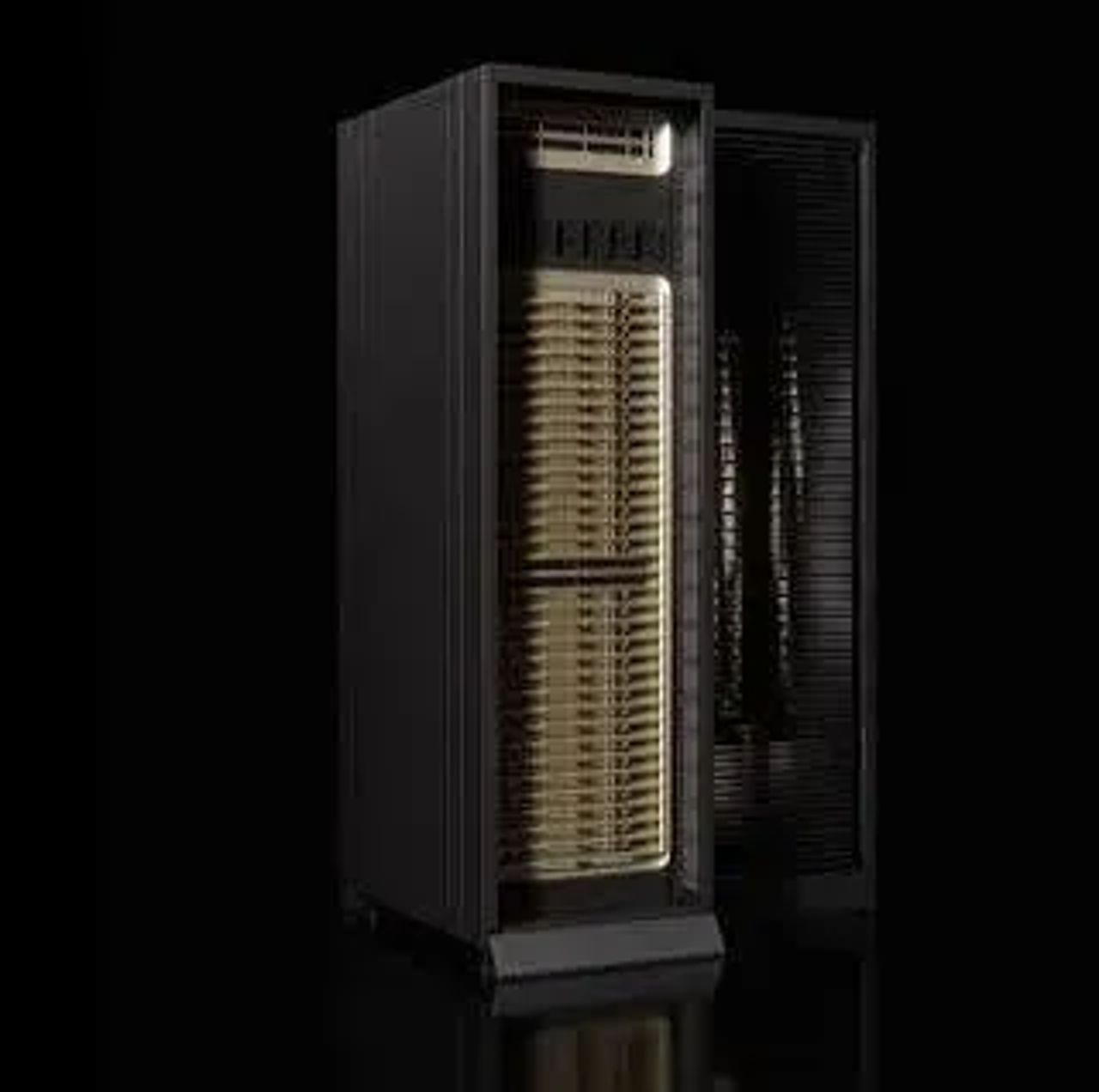
Nvidia has introduced Vera, a rack-scale HPC platform pairing its first fully custom data-center CPU with HPC networking for scientific workloads. The strategic move is to sell compute, data movement and system design as one decision, rather than treat the CPU as a replaceable host around an accelerator.
That positioning matters as the US moves to curb China’s access to Nvidia chips. A rack-scale platform makes export policy more than a question of which processor can ship: configurations, end users, resale channels, technical support and software enablement may all require closer scrutiny. The immediate risk is a fragmented market in which buyers face different product availability and compliance obligations by jurisdiction. The opportunity for governments and research organizations is a stronger case for alternative suppliers and nationally governed compute, but that comes with duplicated qualification, support and software-validation costs. Cross-border scientific collaboration may increasingly depend on procurement architecture as much as on research priorities.
At the industry level, Vera signals that scientific computing is moving toward system-level competition. Buyers can evaluate time-to-result, energy efficiency, integration and operational simplicity—not processor specifications alone. A tightly integrated system may simplify scaling of simulation and other data-intensive workloads, while increasing switching costs: once applications, performance tuning and support processes align with one vendor’s stack, replacing one component can become a re-engineering project. Nvidia gains differentiation by making the rack more valuable as a complete product; customers will need to put portability and supplier resilience into the business case, not leave them to procurement.
For Japanese manufacturers, materials companies, pharmaceutical researchers and universities, Vera should be evaluated as both a capability investment and an exposure decision. Japanese SIers can differentiate through architecture-neutral benchmarking, workload mapping, export-control checks, software-portability reviews and fallback designs—not by treating a rack-scale platform as a one-off hardware sale. Local development teams will need tighter coordination among application engineers, infrastructure operators and compliance staff. The key question is not only whether code runs, but whether the hardware, support and data flows remain procurable across jurisdictions. The same governance discipline—asset inventories, permissions, audit trails and contingency plans—will matter as enterprise automation reaches engineering and research environments.




