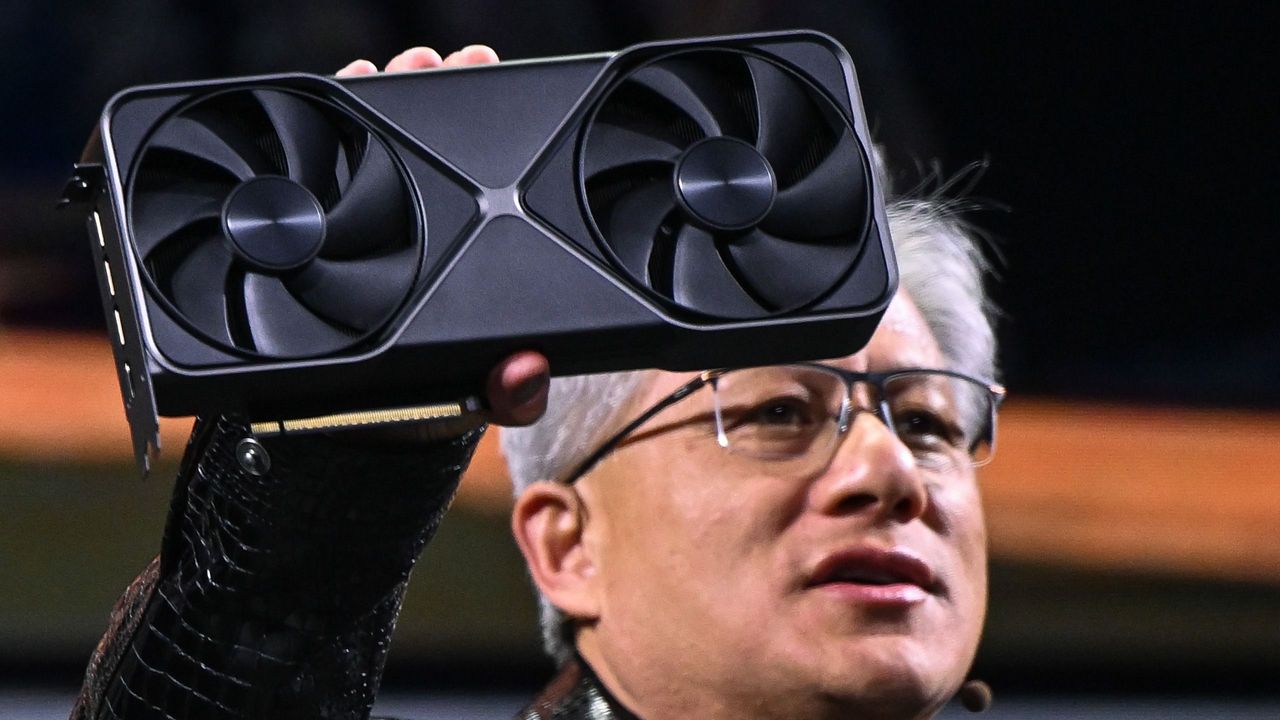
Nvidia now requires Southeast Asian cloud providers seeking official Cloud Partner status to join its Fleet Intelligence tracking program, giving it line-of-sight into where its AI GPUs physically run. The pressure behind the move is political: Washington is probing suspected diversion of chips into China, with Megaspeed International and Super Micro named in the scrutiny, and lawmakers have summoned Jensen Huang over alleged ties linked to Chinese intelligence.
The strategic signal is that chip governance is shifting from a paperwork problem to a hardware-telemetry problem. For years, export controls relied on contracts, end-user certificates, and trust in resellers. Nvidia is now building enforcement into the product itself, turning partner status into a compliance instrument. That is a quiet but structural change: the company that sells the GPUs is becoming the party that polices their location, effectively acting as an extension of US policy. Expect capital to notice. If deployment visibility becomes a condition of supply, the premium accrues to operators who can prove clean provenance, and the discount lands on gray-market intermediaries whose business model was arbitrage across jurisdictions.
The global risk cuts two ways. Tighter tracking narrows smuggling routes, but it also concentrates leverage in one vendor's hands and invites retaliation, both from Beijing and from cloud operators wary of a supplier monitoring their fleets. Southeast Asian hubs that marketed themselves as neutral compute destinations now face a choice between Nvidia's ecosystem and operational autonomy.
For Japan, the implications are direct. Japanese cloud operators, GPU-dense AI datacenters, and the SIers building sovereign-AI and enterprise inference platforms sit squarely inside this compliance perimeter. Firms sourcing Nvidia hardware for domestic buildouts should assume that partner status, and therefore allocation priority, will increasingly depend on accepting fleet-level telemetry. That raises governance questions few Japanese procurement and legal teams have modeled: who sees the deployment data, how it intersects with corporate confidentiality, and whether a vendor's monitoring obligations conflict with client data commitments.
SIers advising enterprises on AI infrastructure should treat chip provenance as a new line item in due diligence, alongside power and cooling. The practical takeaway for Japanese development and platform teams is to design around supply stability rather than lowest unit cost: lock in authorized channels, document hardware lineage, and avoid any reseller path that cannot withstand export-control review. In a market where GPU access is the binding constraint on AI roadmaps, being demonstrably compliant is becoming a competitive advantage, not merely a legal chore.




