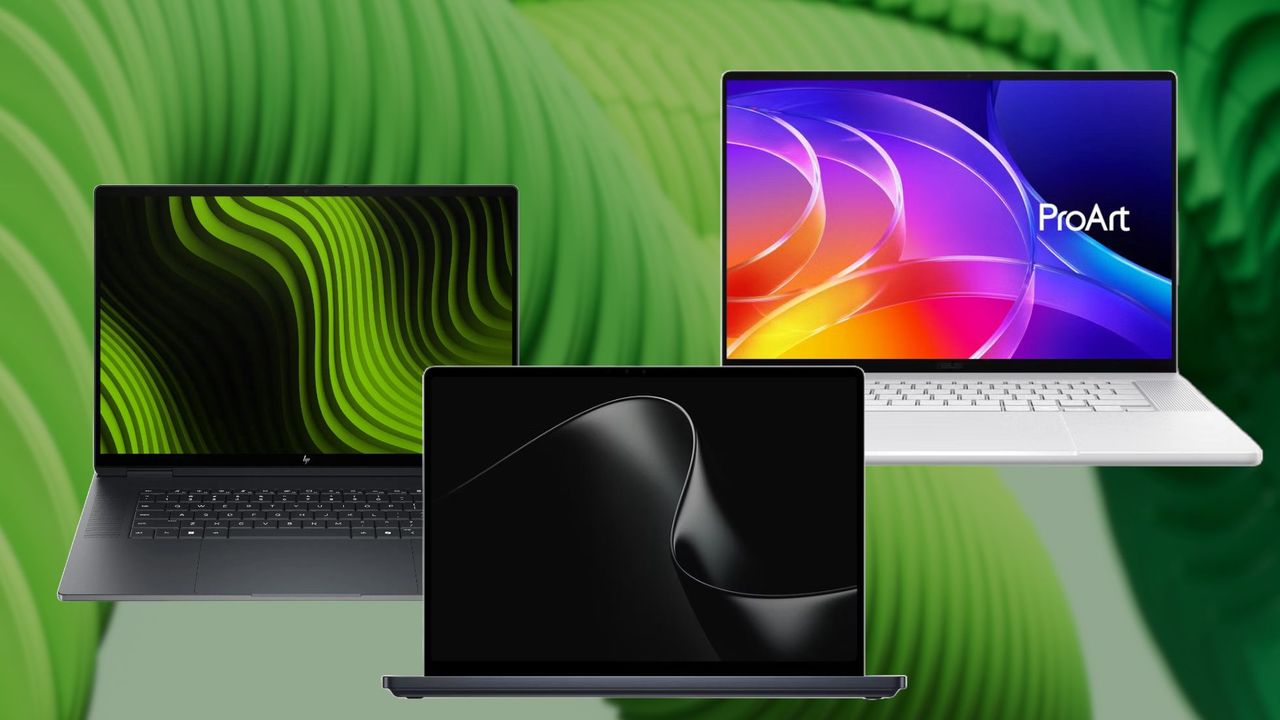
Pre-orders are now open for Nvidia RTX Spark laptops, including Microsoft's Surface Laptop Ultra alongside models from HP, Lenovo, Asus and Dell, with pricing starting at $2,599.
The strategic story here is not the hardware spec sheet but the emergence of a distinct, premium tier of AI-first client computing. A $2,599 entry point deliberately positions these machines above the mainstream Copilot+ PC category and toward a different buyer: developers running local models, data teams that cannot send sensitive prompts to the cloud, and professionals who want inference capacity sitting under their own desk. OEMs are betting that the economics of recurring cloud-GPU bills will push a meaningful slice of workloads back to the edge, and that enterprises will pay a hardware premium to escape per-token pricing and latency. That bet reshapes the laptop margin stack, giving vendors a reason to compete on AI throughput rather than thinness or battery life.
Globally, this accelerates a bifurcation of the PC market. The volume middle commoditizes while a high-margin AI workstation class grows, and Nvidia extends its platform grip from the datacenter down to the individual developer's lap. For software vendors, it creates a credible target for shipping local-first AI features without assuming a hyperscaler backend, which has downstream implications for how applications are architected and licensed.
For Japan, the calculus is sharper. A weak yen makes a $2,599 base price land painfully for corporate procurement, and Japanese enterprises are historically cautious about refreshing fleets at premium tiers. Yet the on-device angle maps almost perfectly onto two local realities: strict data-residency and governance expectations in finance, manufacturing and the public sector, and persistent anxiety about feeding proprietary or personal data into overseas cloud models. Local inference hardware offers a compliance-friendly path that cloud AI struggles to match.
For domestic SIers and development teams, this is both an opportunity and a warning. The opportunity is high-value integration work: standing up local-model workflows, secure fine-tuning environments, and hybrid architectures that keep sensitive inference on-device while using cloud for scale. The warning is that generative, local AI tooling continues to erode the labor-hour billing model that underpins much of Japan's SIer economics and its RPA-heavy automation layer. Firms that reposition from selling headcount to selling AI-enabled outcomes will capture this shift. Those that treat RTX Spark machines as just another procurement line item will miss the point entirely.




