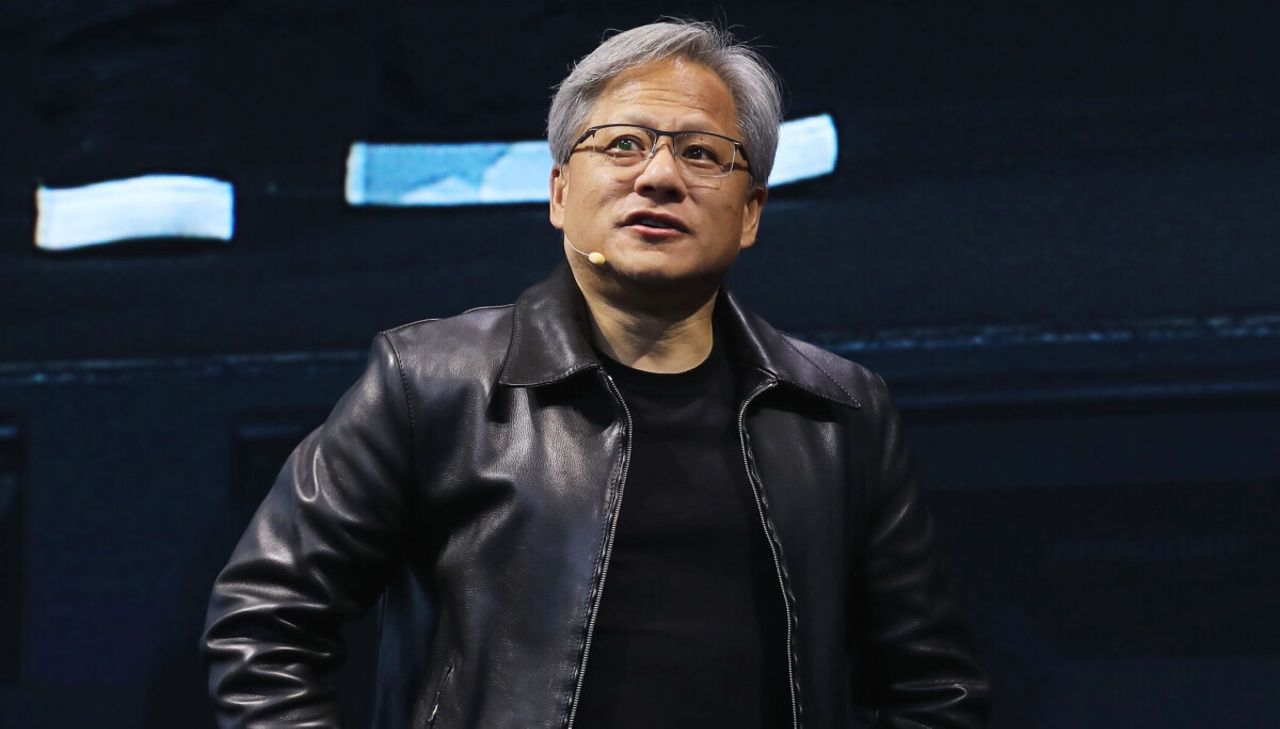
Jensen Huang has resigned as Nvidia CEO amid an independent board investigation into an affair with Alice Huang, a suspected Chinese intelligence operative, leaving CFO Colette Kress as interim chief executive. Beyond the immediate governance shock, the departure triggers the ultimate key-man risk event in modern technology, threatening the geopolitical and financial foundations of the global AI boom.
Nvidia's valuation and product velocity have long relied on Huang's singular command over a flat organizational structure—without intermediate vice presidents buffering him from engineering leads—and his personal diplomacy with heads of state and hyperscaler chiefs. While Kress provides seasoned financial stewardship to calm institutional investors, an espionage-linked probe directly strikes Nvidia's sharpest vulnerability: Washington's export control apparatus. US national security regulators will almost certainly subject Nvidia's intellectual property, supply chain, and China-compliant chip designs to heightened scrutiny. With disruptions already spilling over into partner engagements with Samsung and SK in South Korea, hyperscalers face fresh urgency to accelerate custom silicon programs and diversify toward merchant alternatives, potentially cooling near-term GPU capital expenditure.
For Japan, the fallout strikes directly at the heart of its national sovereign AI strategy. Tokyo's Ministry of Economy, Trade and Industry has anchored domestic compute subsidies and datacenter buildouts around commitments forged largely through Huang's personal rapport with Japanese political leaders and telecom executives, including SoftBank's telecommunications arm. A leadership vacuum and potential US regulatory freezes complicate GPU procurement timelines for Japanese cloud providers.
Consequently, major Japanese system integrators (SIers) and enterprise IT departments must immediately stress-test their AI deployment roadmaps. SIers building generative AI platforms and next-generation automation workflows on CUDA-locked architectures face potential hardware allocation delays and shifting vendor risk profiles. Forward-looking Japanese engineering teams should prioritize hardware-agnostic orchestration layers and model-routing frameworks that allow enterprise AI workloads to run across diverse accelerators, insulating domestic digital transformation projects from geopolitical and executive shocks at a single silicon supplier.




