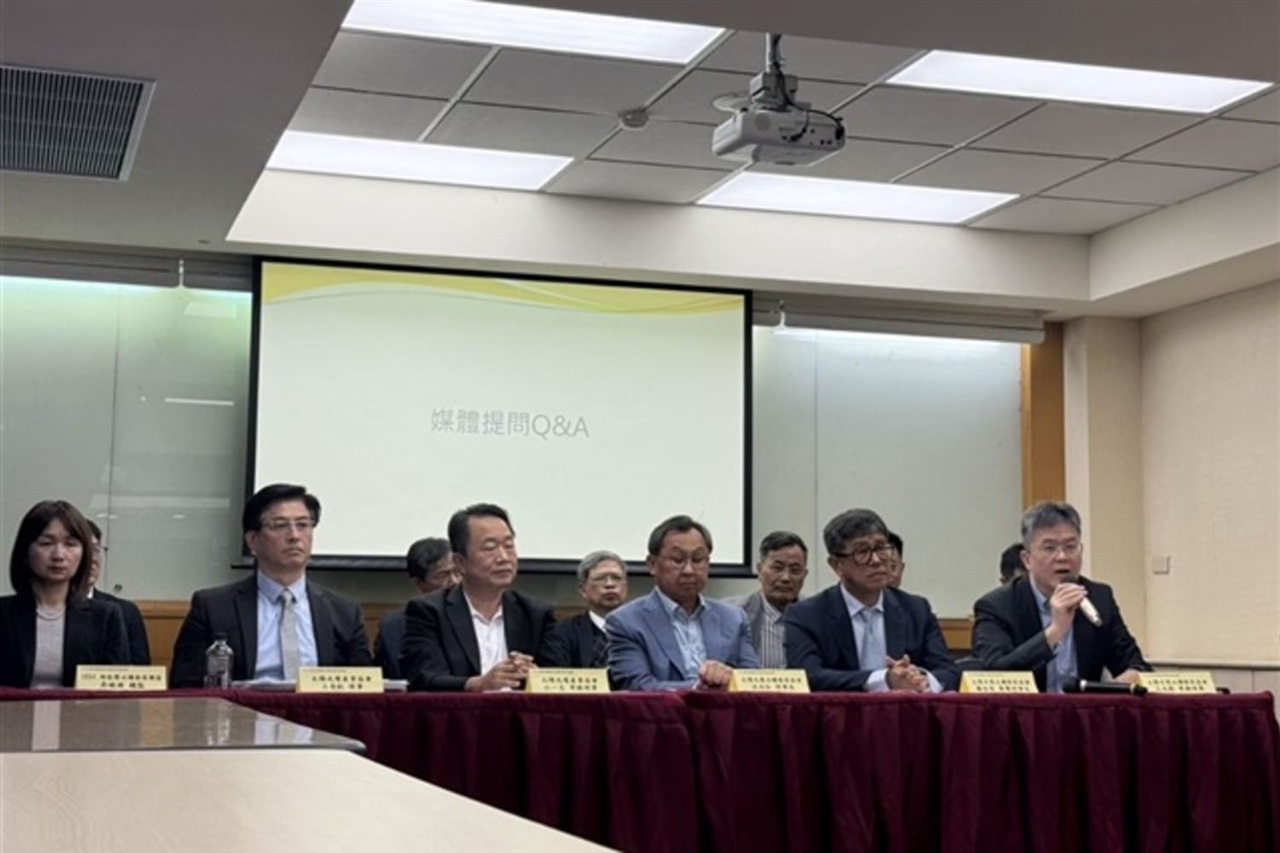
US authorities are examining whether a senior executive at an Nvidia cloud partner, with personal ties to CEO Jensen Huang, passed information to Beijing, alongside separate allegations of illegal chip reselling into China. The story matters less for the specific accusations, which remain unproven, than for what it reveals about where the chip conflict is heading.
For three years, US-China chip tension lived mostly in export-control lists and licensing rules. This case drags it into counterintelligence territory, where the risk is no longer just a blocked shipment but a compromised relationship inside a trusted vendor's orbit. For global executives, the practical consequence is that partner due diligence now has to include questions that used to sit outside procurement: who has access to roadmap data, where do cloud partners route workloads, and which personnel sit at the seam between a US supplier and the Chinese market. Expect US firms with China exposure to tighten internal compartmentalization, and expect Beijing to treat every such investigation as further proof that self-sufficiency is survival, not strategy.
That second-order effect is the real story. Each enforcement escalation strengthens the domestic Chinese alternative. Claims from firms like Iluvatar CoreX that new GPUs rival the H200 are hard to verify independently, but the direction is unambiguous: political friction is doing more to build China's chip ecosystem than any subsidy alone. The near-term global bottleneck remains memory and power, reflected in workstation GPU pricing climbing into five figures amid the DRAM shortage, which compounds the cost of every AI buildout regardless of geopolitics.
For Japanese enterprises and SIers, the lesson is supply-chain governance, not panic. Japan sits on the allied side of export controls, so access to Nvidia hardware is not the immediate concern. The exposure is indirect: Japanese firms running multinational operations, joint ventures, or cloud partnerships that touch both the US and China now inherit a compliance surface that can shift without warning. SIers building AI platforms for manufacturing, finance, and public-sector clients should assume that "which chips, sourced through whom" becomes a board-level question, not a procurement footnote.
Concretely, Japanese integrators should treat vendor and personnel provenance as part of system design, document hardware sourcing for regulated clients, and build architectures that tolerate a swap between Nvidia, domestic Japanese accelerators, and allied alternatives rather than hard-wiring one supplier. The DRAM and high-end GPU price pressure also argues for workload-level efficiency: right-sizing models, mixing inference silicon, and avoiding speculative capacity. The winners in the Japanese market will be the integrators who can give clients a defensible answer to where their compute comes from, not just how fast it runs.