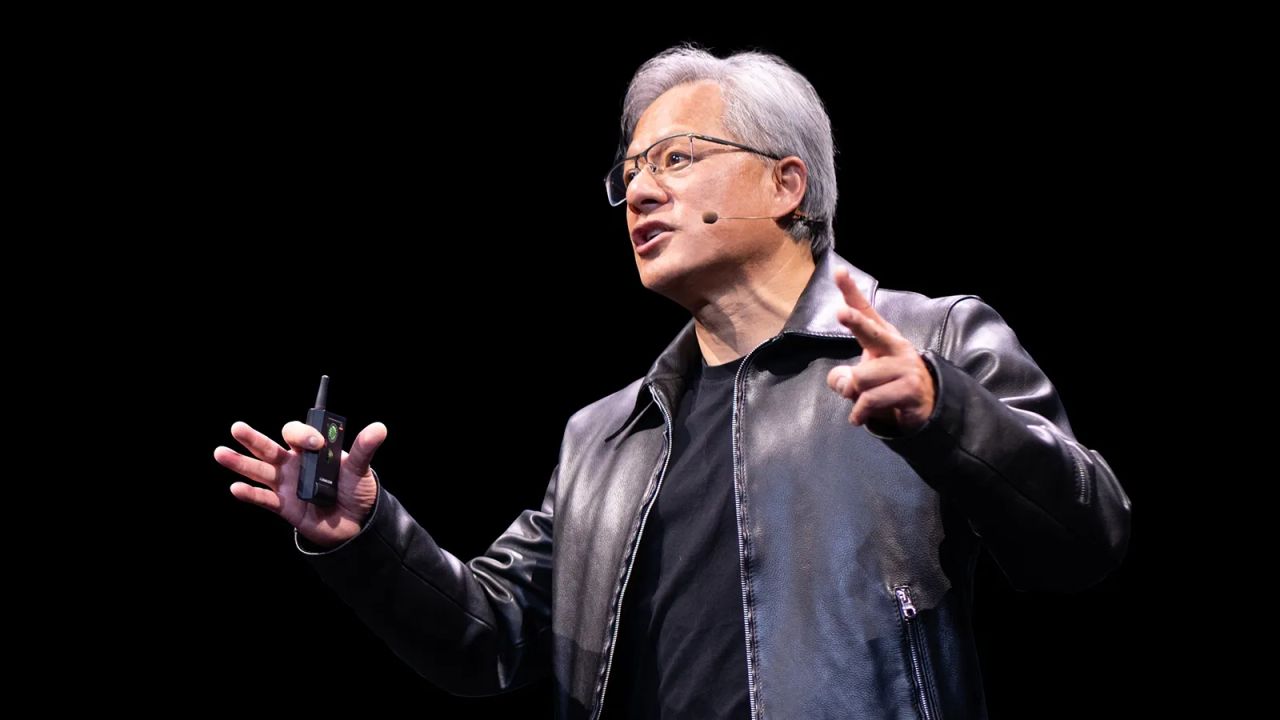
Nvidia has restored Jensen Huang as president and CEO after his resignation, amid political pressure and allegations involving a suspected Chinese intelligence operative.
The immediate benefit is continuity, not certainty. Huang's return may reassure customers that product priorities, capital allocation and partner commitments will not be abruptly reset. But the reversal also makes Nvidia's governance part of its geopolitical exposure. When a board's succession decision can be reshaped by presidential backing, investors and infrastructure buyers must evaluate the circumstances that could trigger another change—not just the executive's operating record.
That distinction matters because Nvidia is a critical AI chip supplier facing export-control scrutiny. Washington's interest in the CEO role suggests that leadership, compliance and access to advanced computing can no longer be treated as separate questions. Nvidia now needs to demonstrate that the board, export processes and customer communications can remain credible under political pressure. Customers, meanwhile, should seek visibility into eligibility, allocation, software support and contingency plans. A leadership reset can disrupt a roadmap before hardware reaches the end of its useful life.
Globally, the episode raises the cost of single-vendor dependence. Hyperscalers, governments and enterprises will have reason to model policy and leadership shocks alongside performance, price and delivery. That does not make Huang's reinstatement negative for execution; it makes resilience a procurement requirement. Buyers should preserve workload portability, qualify alternate execution paths where practical, and separate accelerator-specific components from the rest of the software stack.
For Japanese companies, this is an enterprise-architecture issue, not a distant US boardroom drama. AI programs should connect export eligibility and supplier governance to investment reviews, contracts and operating plans. SIers can create value by making those dependencies explicit, designing substitution paths and documenting support and compliance assumptions. RPA and local development teams should avoid hard-wiring every workflow to one provider, retain change records, and define human escalation for policy or procurement shocks. Huang's return may stabilize near-term discussions; it does not remove the need to design for volatility.




